Key Figures Set New Historical Records
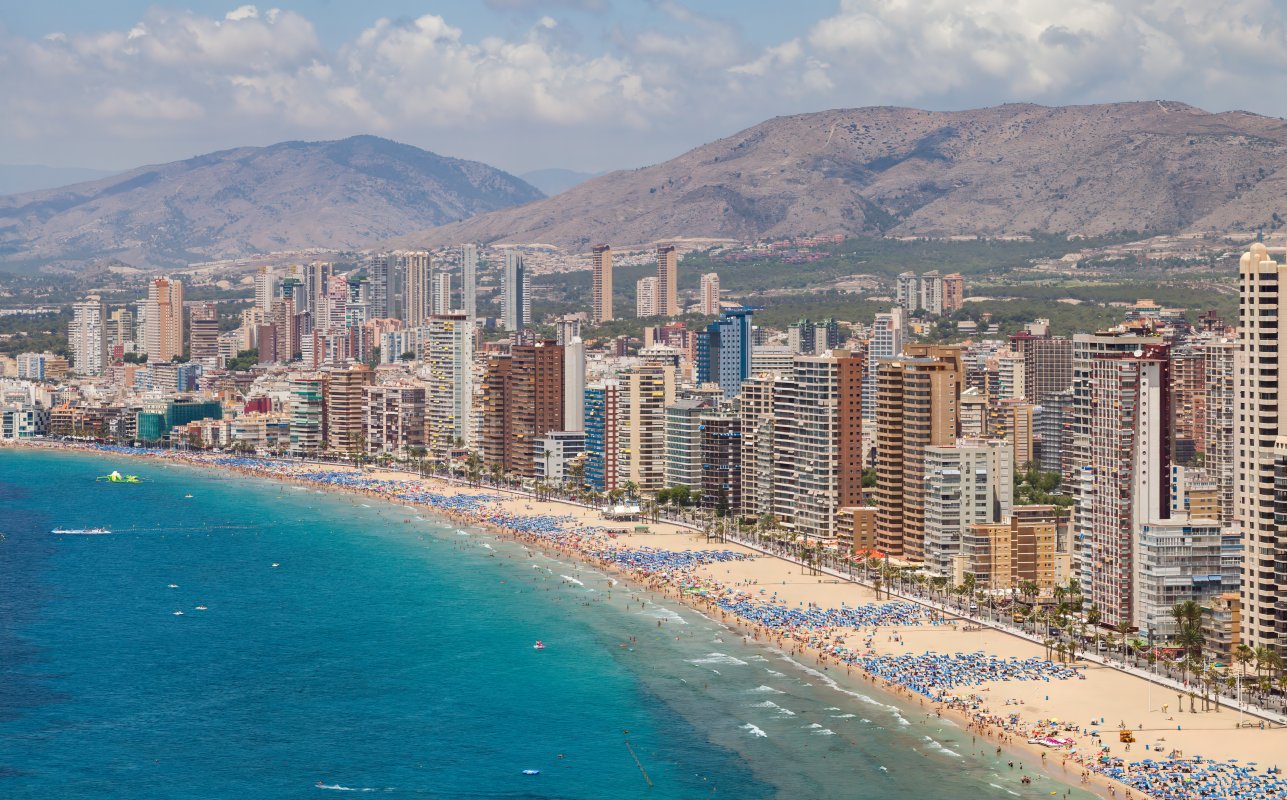
According to the latest statistics, the tourism industry in Alicante province experienced a historic boom last year. The province’s tourism brand, ‘Costa Blanca,’ hosted a total of 8,493,513 international tourists, an increase of 564,000 people from the previous year, marking a 7.1% year-on-year growth. This figure accounts for nearly 70% of the total number of foreign tourists received by the entire Valencian Community.
In terms of spending, the growth was even more significant. The total expenditure of international tourists on hotels, dining, and shopping reached €11.557 billion, an increase of 9.9%. This means that an average of nearly €32 million flowed into the local market every day, with each tourist spending an average of approximately €1,360 during their stay in Alicante.
Analysis of Tourist Source Countries
In terms of tourist origin, the United Kingdom remains the most important international source market for Alicante province, with the number of visitors surpassing the 3 million mark last year. France ranked second, receiving 2.11 million tourists, although the number slightly declined due to the impact of the previous DANA extreme weather event on the tourism industry in the Valencian province. The biggest highlight came from the Netherlands, whose tourist numbers surged by 12.1% to 1.01 million, successfully surpassing the Nordic countries to become the third-largest source market. Following closely were Germany, Belgium, and Italy.
Spending Patterns and Future Strategies
Although the average daily spending of tourists in the Valencian Community (€139) is lower than the national average for Spain (€195), this gap is compensated by longer stays. Data shows that tourists choosing this region stay for an average of 9.29 days, nearly two days longer than the national average. In response, Nuria Montes, the Secretary-General of the Valencian Region Hotel and Tourism Business Confederation (Hosbec), pointed out that the current core objective is to further increase the level of tourist spending at the destination. To achieve this, in addition to upgrading hotel facilities, it is essential to strengthen the supply of complementary services such as dining, sports, and culture. Marián Cano, the Valencian Minister for Industry, Tourism, Innovation, and Commerce, also highly praised this achievement, believing it fully demonstrates the strong competitiveness of the Valencian Community in the international tourism market.
