Introduction: A Noteworthy Connection
A recent collaborative study by several Spanish research institutions, published in the international journal ‘Environment International’, has made a significant impact in the public health sector. The research indicates that for individuals carrying specific genetic variants, long-term exposure to trihalomethanes (THMs)—chemicals produced during drinking water disinfection—may increase their risk of developing colorectal cancer. This study systematically reveals, for the first time at a genome-wide level, the complex interaction between environmental exposure and genetic factors in carcinogenesis.
Study Design and Data Source
The data for this research was sourced from a large-scale epidemiological project in Spain known as “MCC-Spain”. The research team meticulously collected information from a total of 3,137 participants across 9 Spanish provinces, including 1,037 diagnosed colorectal cancer patients and 2,100 healthy control individuals. To accurately assess long-term cumulative exposure to THMs, the researchers tracked the complete residential history of each participant from the age of 18 until two years before the study began, integrating this with water quality monitoring data from each locality for a comprehensive evaluation.
Exposure Levels and Risk Disparities
The analysis showed that although the levels of individual THMs all participants were exposed to did not exceed the safety limits set by the World Health Organization (WHO), there was a clear correlation between the disparity in exposure levels and cancer risk. Among the colorectal cancer patient group, a high 22% had long resided in areas with relatively high total THM levels. In contrast, this figure was only 8.5% in the healthy control group. Geographically, these high-exposure areas are primarily concentrated along the eastern coast of Spain, a trend also reflected in the historical water quality data of these regions.
The Key Role of Genetic Susceptibility
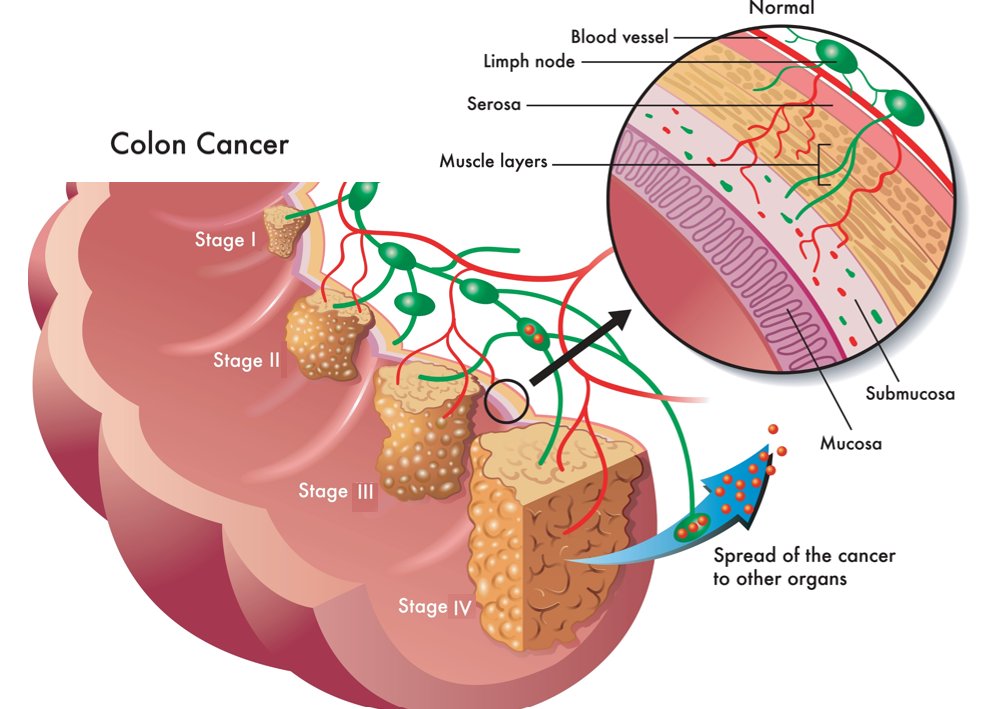
The study’s core finding lies in identifying specific genetic variations that amplify environmental risks. The analysis demonstrated that certain genetic variants closely related to the body’s inflammatory response pathways, particularly variants near the CCL2 gene, are key risk-modifying factors. When individuals carrying these genetic variants live in high-THM exposure environments for long periods, their risk of developing colorectal cancer is significantly magnified. This explains the vast difference in health outcomes among different individuals under the same water quality conditions.
Public Health Implications
The research team emphasizes that this finding does not mean Spain’s drinking water is generally unsafe. Overall, the country’s water supply system is safe and reliable. However, the study provides a crucial warning for water supply departments: continuous monitoring and control of disinfection byproduct levels in drinking water are of utmost importance. More profoundly, it offers a scientific basis for developing personalized health risk assessments in the future, helping to identify and protect high-risk populations who are more sensitive to low-dose chemicals in the environment due to their genetic makeup.
