Pesticide Residue Exceeds Limits, Sounding a Safety Alarm
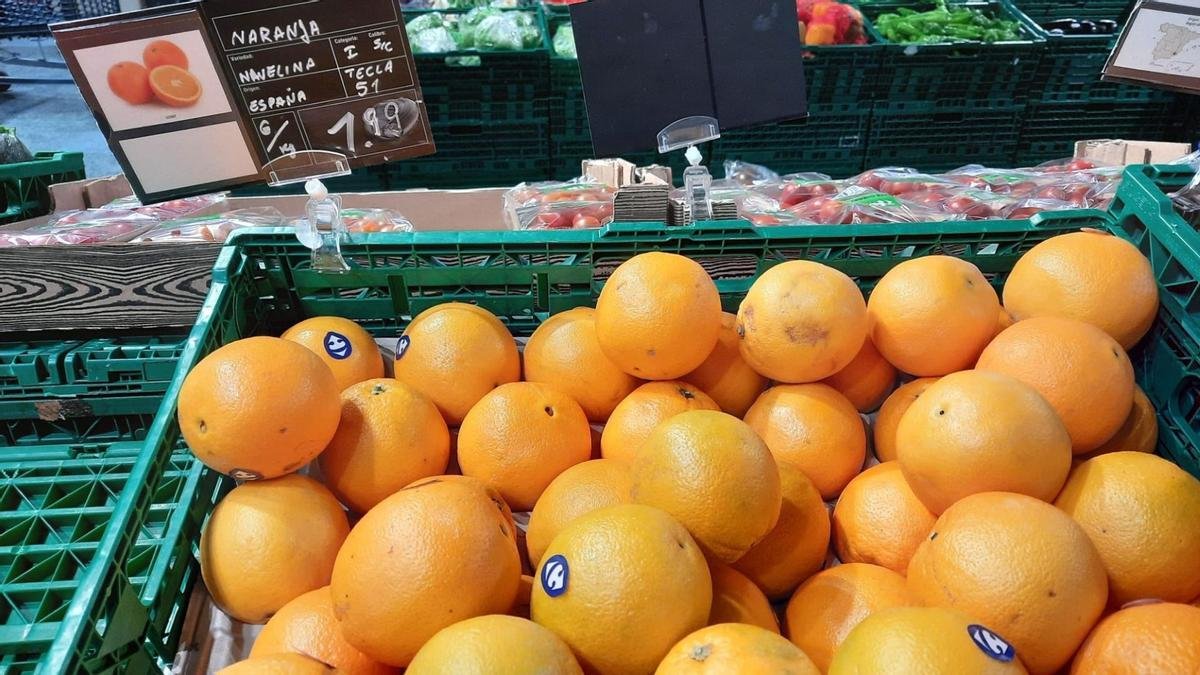
Recently, the European Food and Feed Safety Alert System (RASFF) reported that a shipment of oranges from Egypt was found to contain the herbicide Chlorpyrifos upon arrival at an Italian port. The residue level was 0.21 mg/kg, 21 times the maximum residue limit (MRL) allowed by the EU. Notably, this chemical has been banned in the European Union since 2019.
This is not an isolated incident. Data shows that in the first few weeks of 2026 alone, Egyptian fruit and vegetables have already received 7 health violation notices. Looking back, 131 and 180 incidents were recorded in 2025 and 2024, respectively, bringing the total number of alerts for Egyptian agricultural products over the past five years to a staggering 672. The Valencian Farmers Association (AVA-ASAJA) points out that this is a recurring systemic problem.
Unfair Competition and Regulatory Loopholes
Alfonso Galvez, the secretary-general of Asaja Murcia, believes that the detected problematic products are likely just the ‘tip of the iceberg.’ A large quantity of untested harmful products may have already entered the market, posing a direct threat to consumer health and severely undermining market confidence in local agricultural products.
He emphasizes that EU farmers bear higher production costs to comply with strict food safety regulations and are prohibited from using many chemical agents. However, some third-country suppliers are still using substances like dichlorvos, a highly toxic pesticide banned in the EU for over twenty years. What angers the local industry even more is the European Commission’s recent decision to reduce the mandatory inspection rate for Egyptian oranges from 20% to 10%. This move is widely seen by the agricultural community as prioritizing geopolitical considerations over food safety, creating blatant unfair competition.
Biosecurity Risks and Industry Appeals
Besides chemical residues, Spanish agricultural regions face a growing biosecurity risk. Due to shorter transport times, live pests from third countries can easily enter the European continent with the cargo. Once these pests establish populations locally and trigger disease outbreaks, they would deal a devastating blow to Spain’s core industries like citrus farming.
Faced with this dual threat of chemical and biological risks, Spanish agricultural organizations are strongly urging the EU to increase the inspection rate for imports from high-risk areas to 50% and to take decisive measures, such as temporarily closing import channels, when serious violations are found. At the same time, Galvez also criticized some large distributors, accusing them of favoring cheap imported products in pursuit of short-term profits. This behavior not only harms the interests of the local strategic agricultural sector but also contradicts the sustainability principles advocated by the EU.
