Nutrition and endocrinology experts in Spain have recently emphasized that daily dietary choices are crucial for cancer prevention, with their impact second only to smoking.
Diet: A Key Controllable Risk Factor for Cancer
María Riestra, a member of the Nutrition Area of the Spanish Society of Endocrinology and Nutrition (Sociedad Española de Endocrinología y Nutrición), states that there is a scientific consensus that diet is one of the most significant modifiable factors influencing cancer risk. A long-term poor diet can slowly and imperceptibly create conditions for tumor development. Epidemiological studies clearly show a direct link between specific dietary patterns and cancer incidence.
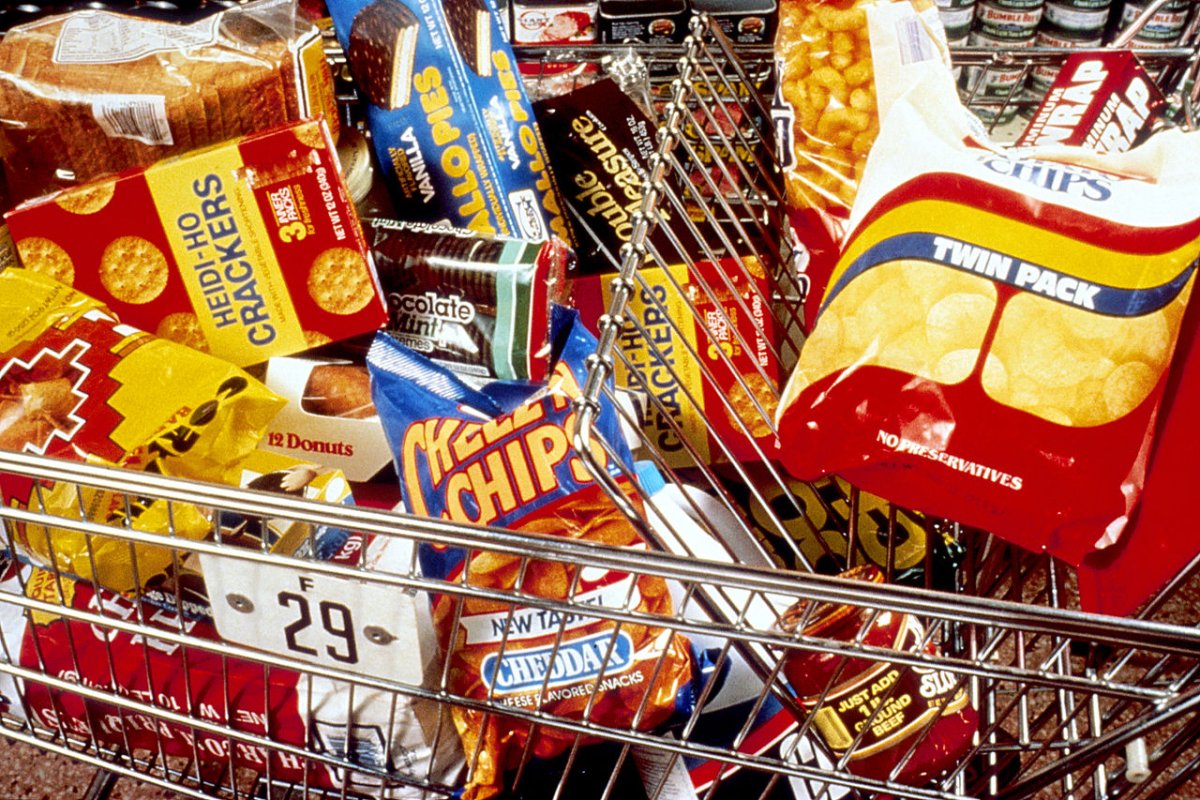
The Health Divide Between Two Dietary Patterns
Studies show that following the Mediterranean dietary pattern, characterized by vegetables, fruits, whole grains, and healthy fats, is associated with a lower incidence of various cancers. Conversely, a Western diet, characterized by high sugar, high saturated fats, large amounts of processed meats, and few vegetables, increases cancer risk. This type of high-calorie diet can easily lead to obesity, which in turn may trigger insulin resistance and a state of chronic low-grade inflammation, both of which are known factors that promote cancer cell growth.
The Potential Threat of Ultra-Processed Foods and Additives
Mónica Pérez, a member of the General Council of Official Colleges of Dietitians-Nutritionists of Spain (Consejo General de Colegios Oficiales de Dietistas-Nutricionistas), advises the public to prioritize natural, minimally processed foods. She explains that the more processed a food is, the lower its nutritional value tends to be. Recently, a French study published in The British Medical Journal has once again drawn attention to food additives. The study found an association between higher intake of certain food preservatives, especially nitrites and nitrates commonly used in processed meats, and an increased risk of digestive system tumors. Riestra adds that there is evidence confirming a link between the consumption of highly processed foods and an increased risk of cancers such as colorectal cancer.
Expert Consensus: The Less, The Better
Although the evidence on the carcinogenicity of other additives like artificial colors is not entirely consistent, and regulatory bodies consider their use safe within prescribed limits, the consensus among nutrition experts is clear: for these non-essential chemical additives, there is no ‘safe intake level.’ Intake should be minimized as much as possible. Experts particularly warn that children, adolescents, and individuals with chronic diseases are more sensitive to the long-term negative effects of ultra-processed foods and should be especially cautious.
