Frequent Train Incidents in Spain Prompt Transportation Sector Adjustments
Since the beginning of 2026, Spain’s national railway network has faced severe challenges due to multiple incidents, leading to service suspensions, speed restrictions, and delays on some lines. This series of events has not only affected passengers’ daily travel but has also prompted transport authorities and related companies to take emergency measures.
Main Railway Lines Extend Travel Times for Safety
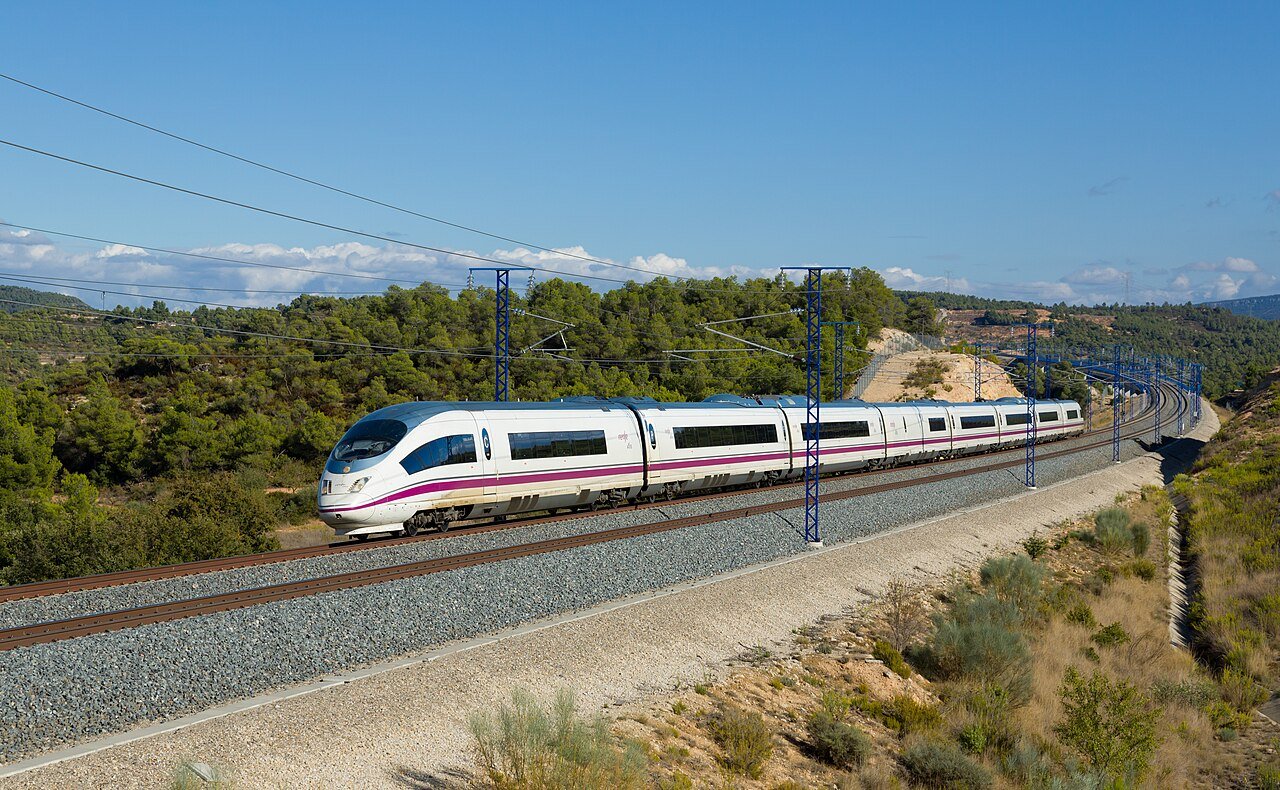
To address the current instability of the railway system, Spain’s railway infrastructure manager (Adif) has reached a consensus with the three main operators—Renfe, Iryo, and Ouigo. Starting from February 3, 2026, the travel time on the core high-speed rail corridor from Madrid to Barcelona will be uniformly increased by 25 minutes. This measure aims to reduce operational risks and ensure train safety, but it has also caused inconvenience for commuters who rely on this line. A previous incident in Adamuz, province of Córdoba, highlighted the urgency of upgrading the railway system’s safety, even leading Renfe to suspend its planned procurement of new high-speed trains.
Aviation Industry Responds: Iberia Caps Ticket Prices
With rail capacity limited, a large number of passengers have turned to air travel, putting upward pressure on ticket prices. To stabilize the market, Spain’s national airline, Iberia, announced on February 3, 2026, a temporary price control on its “Air Bridge” route between Madrid and Barcelona. From now until February 19, one-way tickets on this route will not exceed €99. Iberia operates 14 daily round-trip flights on this route, covering key times from morning to night.
Southern Routes Also See Fare Caps and Increased Capacity
In addition to the Madrid-Barcelona route, the Andalusia region, directly affected by the Adamuz train incident, has also received support from airlines. Iberia has similarly capped one-way fares at €99 for flights between Madrid and Seville, Málaga, Jerez, and Granada, and has added over 27,000 seats to increase capacity. This plan is initially set to last until February 15.
Government Vows to Curb Price Gouging
The airline’s price-capping initiative aligns with government policy. The Minister for Consumer Affairs, Pablo Bustinduy, publicly stated on February 2 that the government would set price limits on alternative transportation in emergencies to ensure that “no one can profit from a crisis.” Iberia’s action is seen as a positive response to this call, aiming to fulfill its social responsibility during a challenging period and ensure the affordability of public travel.
