Hello everyone! I’ve seen on the forums that many of you are excited about studying and living in Spain. Besides academics, there’s another super cool way to deeply experience the country: volunteering
! I spent a month as an environmental volunteer in Andalusia during a summer break, and it was an incredible experience. Today, as someone who’s been there, I want to share some practical tips and insights for university students about volunteering in Spain. I hope this helps those of you who are considering it.
This is definitely more than just a ‘free room and board to travel Europe’ deal; it’s a true cultural immersion. You’ll work and live with peers from all over the world and local Spaniards, and your speaking skills will improve much faster than in a classroom! Furthermore, this unique experience will be a shining highlight on your resume for future job applications. It complements your academic journey, which might also involve seeking out university study abroad services in Spain
. Most importantly, you’ll discover a side of Spain completely different from a tourist’s perspective, gaining immense personal growth and touching moments.
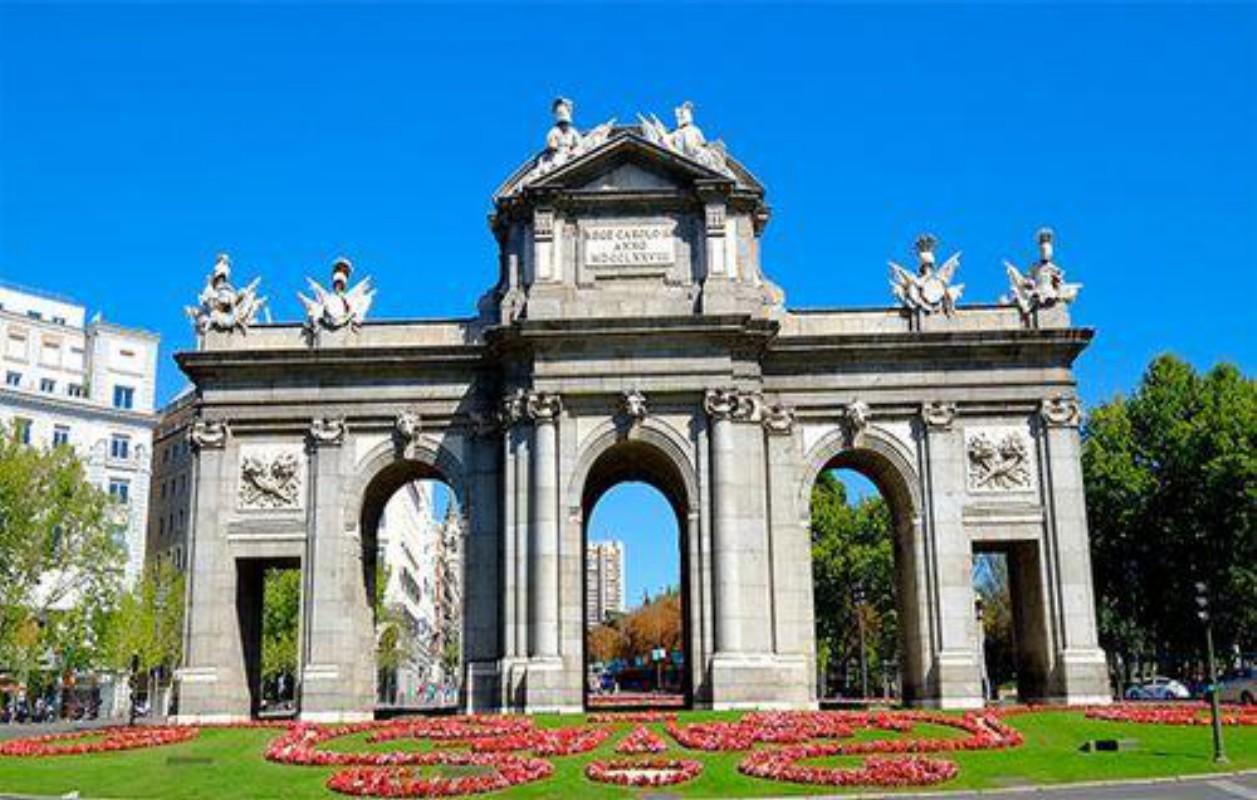
So, what types of volunteer projects are typically available in Spain? I’ve put together a simple table to help you choose based on your interests and field of study. And a key tip: don’t just go by the pictures in the project descriptions; the content is what truly matters!
| Project Type | Main Activities | Best Suited For |
|---|
| Environmental Conservation | Beach cleanups, national park maintenance, helping on organic farms | Those who love nature and are comfortable with outdoor work |
| Social Services | Caring for children, accompanying the elderly, assisting people with disabilities | People who are caring, patient, and have some basic Spanish skills |
| Cultural Heritage | Restoring ancient sites, guiding in museums, organizing historical archives | Those interested in history and culture, and who are detail-oriented |
| Animal Welfare | Daily care at animal shelters, rescuing stray animals | People who love animals and aren’t afraid of hard, dirty work |
How to Find Reliable Volunteer Projects?
The channels you use to find projects are crucial and will directly impact your experience. Just as you might research service design university rankings in Spain for your studies, thorough research is key here. I recommend a few channels that I’m familiar with:
European Solidarity Corps (ESC)
This is an official EU program, and it’s top-tier! If you hold a passport or long-term residence permit from an EU member or partner country, I highly recommend it. The program covers travel, accommodation, food, insurance, and even pocket money, making it virtually cost-free. The project quality is guaranteed, but the application process can be long and competitive.
Work Exchange Platforms
There are globally renowned work-for-accommodation platforms, like Workaway, that require a small annual fee. On these sites, you’ll find a massive number of projects posted by individuals or small organizations, such as helping a farmer pick olives or working reception at a hostel in exchange for a bed. They offer great flexibility and a wide range of options, but you must carefully vet the projects for quality and safety yourself. Always read the reviews thoroughly!
Local Spanish NGOs
You can directly search on Google for “voluntariado en + [city name]” to find the official websites of many local Spanish non-governmental organizations (NGOs). This approach offers a more authentic experience, but it usually requires a good command of Spanish to communicate and apply independently. Regardless of the method you choose, always apply through the official channels!
Just a few more words of advice. Before applying, be sure to confirm that your visa type allows for volunteer activities, especially for non-EU students. Also, don’t go into it with a pure vacation mindset; volunteering is a responsibility that requires commitment and effort. But trust me, when you finish your service, the friendships you’ve made, the skills you’ve gained, and the new perspectives you’ve acquired will make all the hard work feel incredibly worthwhile. I hope this guide helps you all. If you’ve had similar experiences, feel free to share and discuss them below! Wishing everyone an unforgettable journey in Spain!
