Price Growth Slows, but Still Outpaces Europe
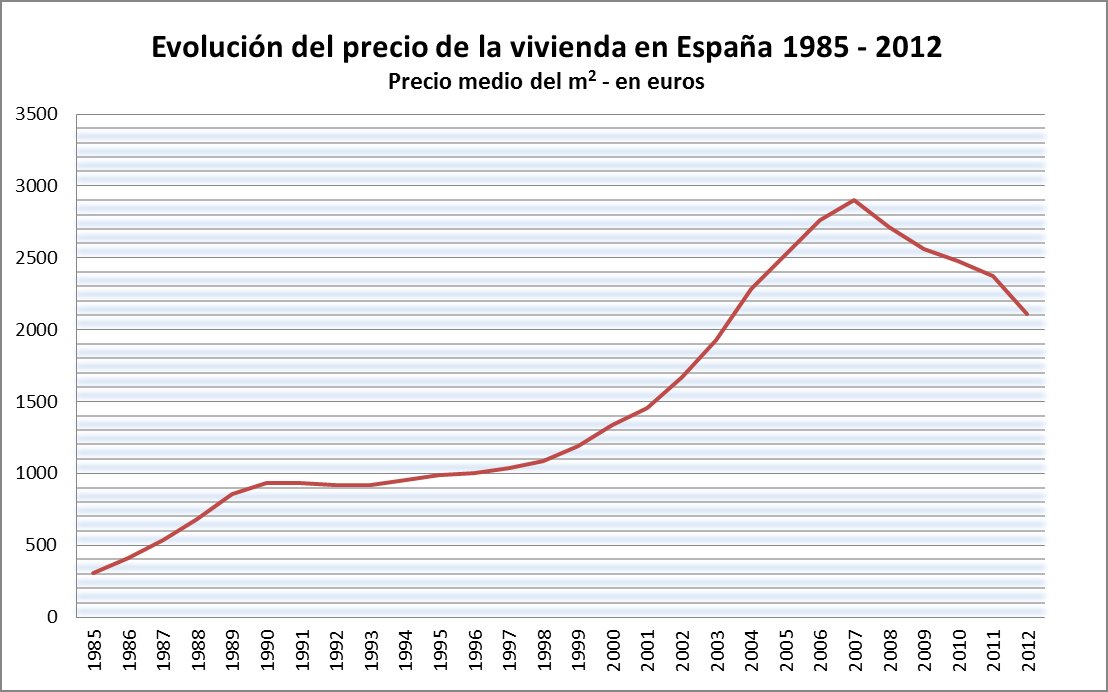
S&P Global’s report elaborates on the future trajectory of Spanish house prices. It forecasts a 9.3% rise in 2026. While this figure marks a decline from the striking 12.3% growth in 2025, it is still more than double the 4.3% average growth forecast for the European housing market during the same period. The report further projects that as the market gradually adjusts, price growth is expected to slow to 7.4% and 6.2% in 2027 and 2028, respectively, indicating a transition into a new phase of more sustainable growth.
Structural Supply Shortage is the Core Driver
The analysis suggests that the fundamental reason for the continued strength of Spanish house prices lies in a severe supply-demand imbalance. The chronic and severe undersupply of housing has consistently failed to meet the market’s substantial demand, acting as the core factor supporting price increases. Concurrently, demand remains robust, fueled by continuous population growth, the trend towards smaller household structures creating new housing needs, and the household wealth accumulated over the past several years.
Financing Costs and Economic Environment Act as Constraints
Despite strong demand, shifts in the macroeconomic environment are creating headwinds for the market. The report points out that financing costs are no longer at the low levels of the past. During 2025, mortgage rates in the Eurozone and several other European countries have largely stabilized, ending a period of sustained decline and directly impacting homebuyers’ affordability. Furthermore, the report notes that while the unemployment rate is a key variable affecting the housing market, Spain’s unemployment rate is not expected to see a significant drop in the short term, which also places a certain limit on purchasing power.
Market Outlook: From “Frenzy” to “Steady Growth”
S&P Global warns that the room for further interest rate cuts in the next two years is extremely limited. Barring a major external economic shock, major central banks like the European Central Bank (ECB) have essentially concluded their monetary easing cycles. This implies that the Spanish real estate market will seek a new equilibrium amidst the interplay of “supply shortages” and “high financing costs.” The market is set to transition from a “frenzy mode” to a “steady growth mode.” For potential buyers and investors, although the pace of price appreciation is narrowing, the possibility of a price downturn remains minimal until the structural supply-demand conflict is fundamentally resolved.
