Spain’s Latest Cancer Report: New Cases to Surpass 300,000, with Survival Rates Over 90% for Some Cancers
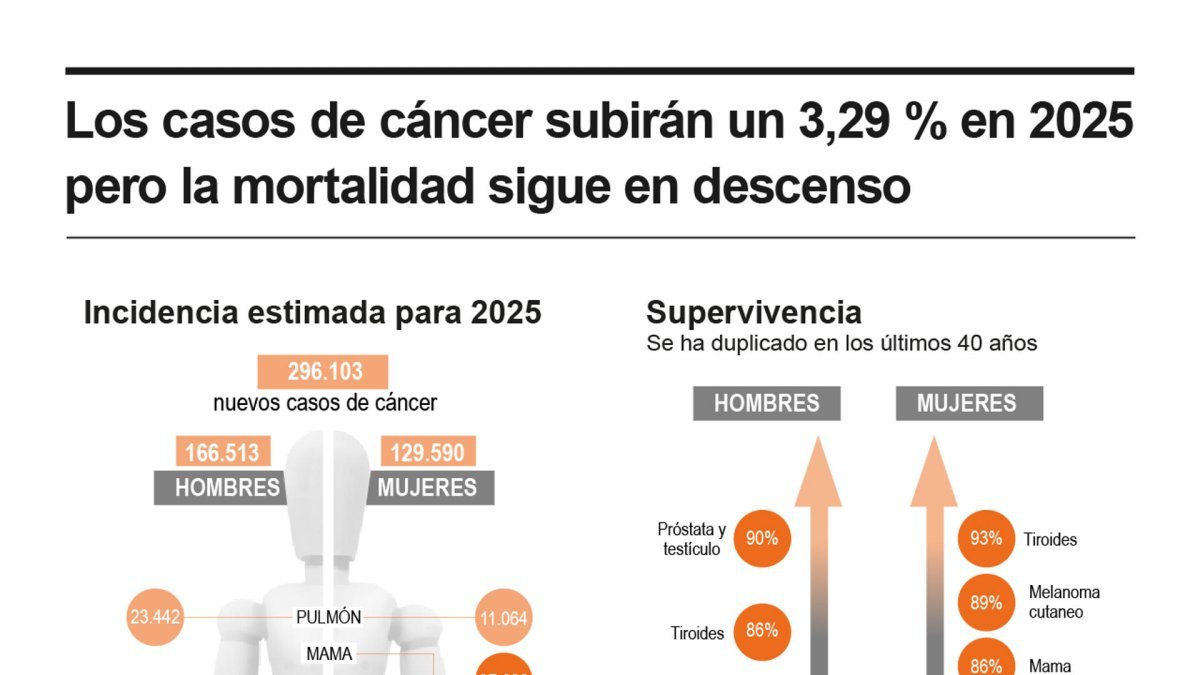
According to the latest report ‘Cancer Figures in Spain 2026’ published by the Spanish Society of Medical Oncology (SEOM), the number of new cancer diagnoses in Spain is expected to reach over 300,000 in 2026, an approximate 2% increase from previous years. However, the report also highlights that thanks to medical advancements over the past four decades, the overall survival rate for cancer patients has significantly increased, and some cancers are gradually transforming into manageable chronic diseases.
Dual Trends in Incidence and Survival Rates
The report indicates that the continuous growth in cancer cases is primarily related to population growth, an aging society, and the prevalence of risk factors such as smoking and obesity. Despite facing increasing pressure from rising incidence, Spain’s cancer mortality rate is showing a downward trend. This is mainly attributed to the remarkable achievements in prevention education, early diagnosis techniques (like screening programs), and the application of innovative treatments such as targeted therapy and immunotherapy over the past few decades.
Gender Disparities and High-Survival-Rate Cancers
Data shows that the five-year overall survival rate for women with cancer in Spain (65.2%) is higher than for men (57.4%). Regarding specific cancer types, the prognosis for some is particularly optimistic. Among male patients, the five-year survival rate for testicular cancer is as high as 94.4%, while the rates for prostate and thyroid cancer have reached 90.2% and 88.1%, respectively. For female patients, the survival rates for thyroid cancer (93.9%), skin melanoma (91.2%), and breast cancer (87.8%) are among the highest. These high survival figures indicate that effective screening and treatment methods are turning some once-fatal diseases into long-term manageable conditions.
Remaining Challenges and Future Outlook
Although the overall situation is improving, the survival rate disparity between different types of cancer remains significant. For example, pancreatic cancer (10.3%) and esophageal cancer (14.4%) still have a very challenging prognosis. Furthermore, the report specifically notes that while the decline in smoking rates among men has had a positive impact, the incidence of lung cancer caused by smoking among women is on the rise, posing a new public health challenge. The Spanish Society of Medical Oncology emphasizes that as the population continues to age, the societal and medical burden of cancer will remain substantial. Continued investment in scientific research and promoting public participation in early screening are of utmost importance.
