Dental Expense Tax Deductions Introduced in Parts of Spain
The Spanish Tax Agency (Agencia Tributaria) has confirmed that residents in certain regions can deduct expenses related to dental treatments on their annual Personal Income Tax (IRPF) return. This policy, implemented through regional tax deductions, brings substantial financial benefits to thousands of taxpayers.
Applicable Regions and Specific Deduction Amounts
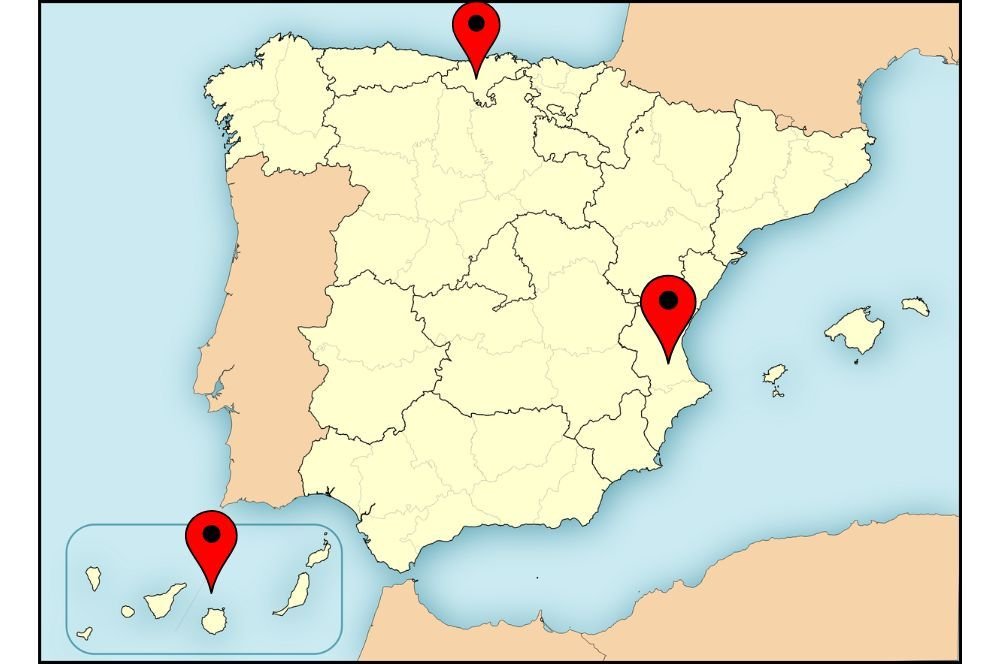
According to information currently released by the Ministry of Finance, this tax incentive is primarily being implemented in two autonomous communities:
- Cantabria: Residents in this region can claim a 15% tax deduction for eligible medical and dental expenses. The maximum deduction is capped at €840 per taxpayer per tax year.
- Canary Islands: The islands have also established a similar tax relief mechanism, allowing residents to deduct various healthcare costs, including dental care, to alleviate the financial burden on families.
Key Compliance Requirements for Claiming the Deduction
To ensure the validity of the deduction and to avoid issues in future tax audits, the tax authorities have set a series of strict conditions that taxpayers must meet:
Payment Method: All expenses claimed for the deduction must be paid through traceable financial channels, such as credit or debit cards, bank transfers, or personal checks. The Tax Agency explicitly states that cash payments are not eligible for this deduction.
Official Invoice (Factura): Taxpayers must obtain and keep the official invoice (Factura) for the treatment services. This invoice must clearly detail the specific treatments received, an itemized list of costs, and the full details of the registered professional or medical institution that issued it.
Income Level Restrictions
This benefit is not universal and is primarily targeted at low to middle-income individuals. Each autonomous community has established an annual income limit to qualify for this deduction. Therefore, when preparing their tax documents, taxpayers should carefully check their draft tax return (Borrador) to confirm if their income falls within the eligible range and avoid filing errors.
The Dual Objectives of the Policy
This policy serves a dual purpose. It not only encourages the public to prioritize and maintain their oral health but also acts as a measure to formalize economic activity in the sector. By requiring traceable, non-cash payments and official invoices, the policy helps to reduce undeclared transactions and tax evasion, thereby promoting a healthier, more transparent dental services market.
