Nearly 40% of Cancer Burden Stems from Modifiable Risks
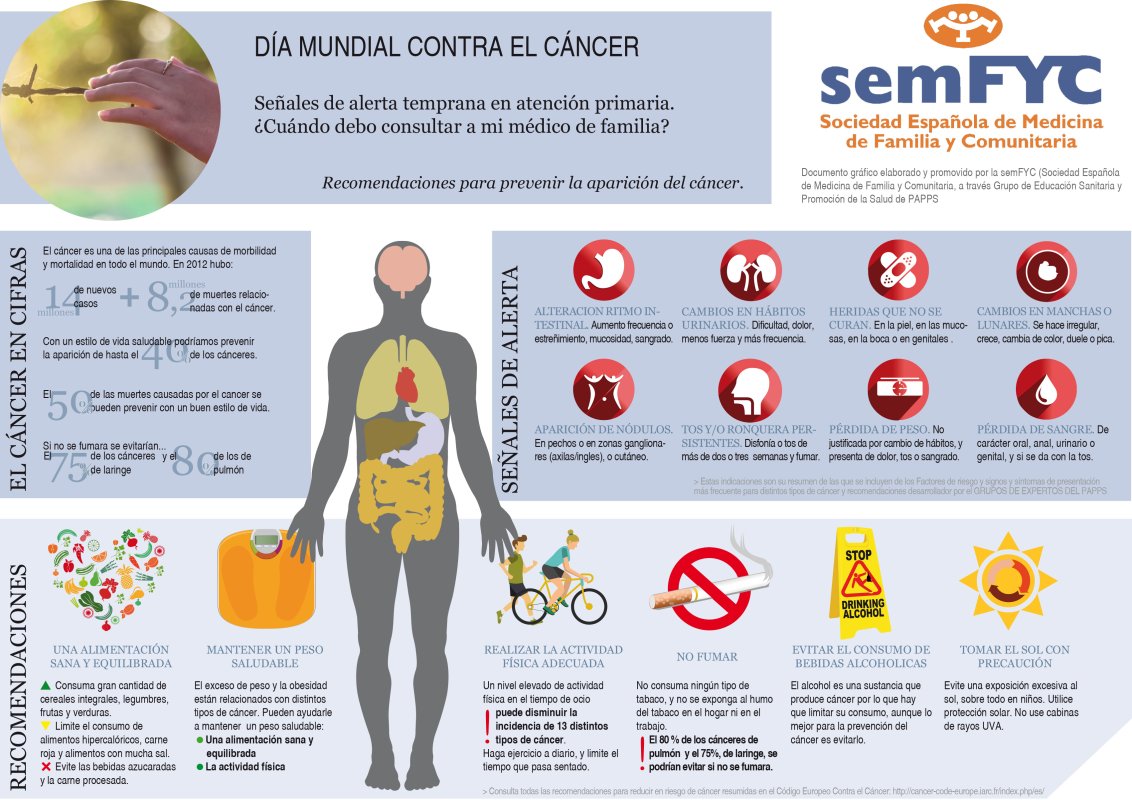
A new global study published in Nature Medicine offers a fresh perspective on cancer prevention. After analyzing data from 185 countries, the research indicates that 7.1 million cancer diagnoses worldwide each year (37.8%) are linked to 30 controllable risk factors and could have been avoided. In Spain, this means the fate of 69,425 patients annually could potentially be rewritten.
Spain’s Top Three Carcinogens: Tobacco, Alcohol, and Obesity
The report clearly identifies smoking as the leading cause of cancer in Spain, resulting in over 33,000 cases each year. It is followed by alcohol consumption and obesity. Epidemiologist Jürgen Rehm specifically emphasizes that the belief common in Mediterranean cultures that “wine is good for health” is a major misconception. He points out that alcohol is a clear carcinogen, and the cancer risk from red or white wine is identical to that of hard liquor. In Spain, alcohol-related cancer cases exceed 8,400 annually.
Significant Gender Differences in Cancer Risk
The study reveals notable differences between Spanish men and women in cancer prevention. Data shows that 43.1% of cancer cases in Spanish men are preventable, compared to 24.1% in women. Experts attribute this partly to men’s higher exposure to occupational carcinogens like asbestos and diesel exhaust, as well as generally higher alcohol consumption. Furthermore, psychosocial factors cannot be overlooked; men, due to risk-taking behavior or neglect of self-care, tend to make less use of preventive medical services.
Notably, obesity poses a more severe threat to Spanish women. The cancer burden from high Body Mass Index (BMI) is already greater in women (6,523 cases) than in men (4,301 cases), primarily reflected in the rise of endometrial and postmenopausal breast cancer rates.
The “Ten-Year Lag” Effect and Public Health Intervention
Scientists in the study introduced the concept of a “ten-year lag,” meaning a cancer diagnosed in 2026 may have its roots in lifestyle habits from 2016. This finding warns us that if we do not immediately address the currently widespread sedentary lifestyles and poor dietary habits, society will face a more severe health crisis by 2040.
Therefore, experts are calling on the government to adopt more robust intervention measures, such as increasing tobacco taxes, expanding smoke-free public spaces, and promoting relevant vaccinations to strengthen primary prevention. After all, effective prevention is always more cost-effective and humane than expensive treatments.
