Spain Introduces Tough Bill to Create a “Digital Firewall” for Youth
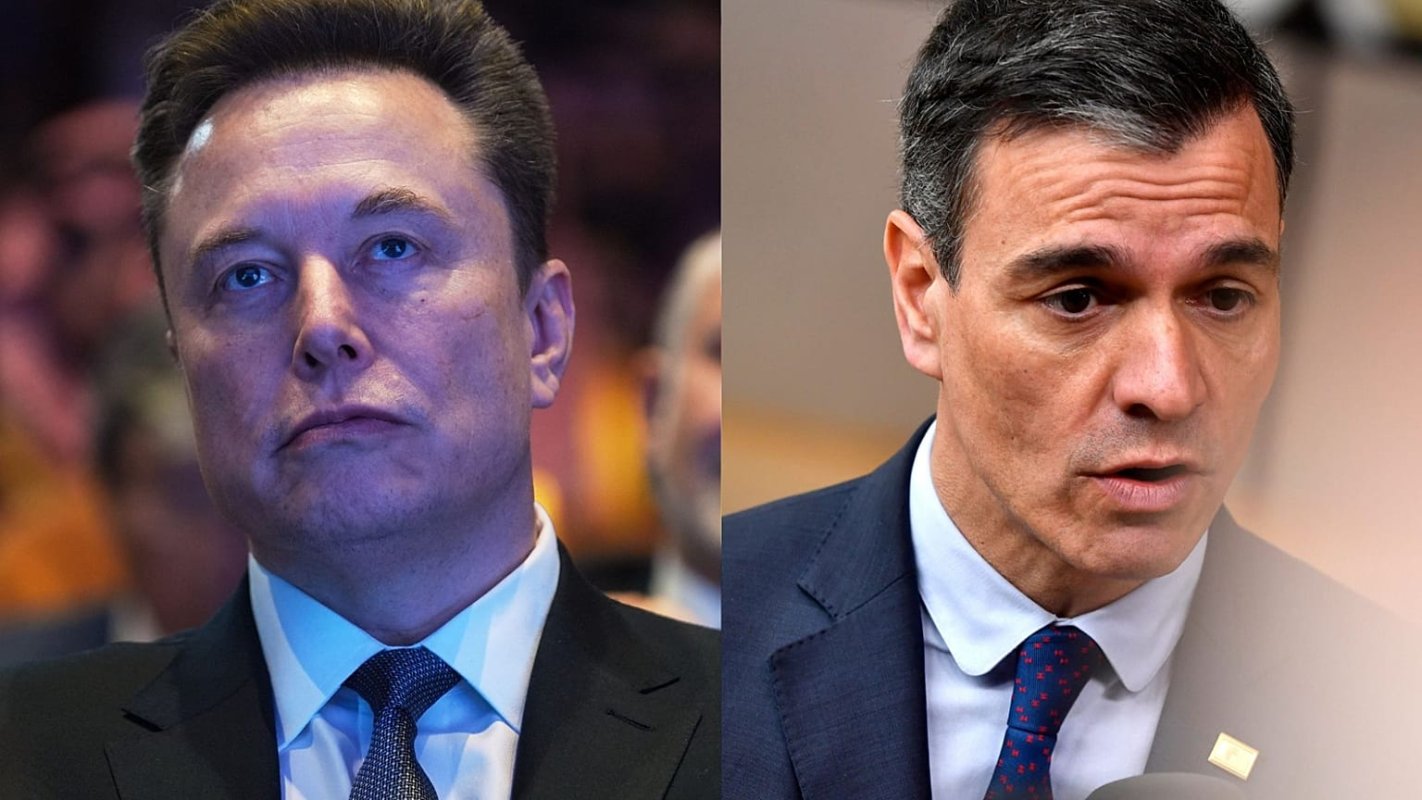
On February 3, 2026, Spanish Prime Minister Pedro Sánchez announced in Dubai that the government will push forward a bill aimed at completely banning minors under the age of 16 from using social media. Sánchez described the current online environment as a “digital Wild West,” stressing the state’s responsibility to protect minors from its potential dangers.
Three Core Measures of the Bill Target Tech Giants
The draft bill contains three unprecedentedly strict regulations that directly challenge the operating models of social media platforms:
- Mandatory Age Verification: Platforms must use reliable technical methods, such as government IDs or biometric recognition, to verify user ages, closing the simple “I am over 18” checkbox loophole.
- Executive Liability: If a platform fails to promptly address illegal content such as hate speech or child pornography, top executives, including the CEO, could face personal criminal charges.
- Criminalization of Algorithmic Recommendations: The bill introduces the concept of “algorithmic guilt,” defining the act of platforms using algorithms to intentionally amplify or recommend illegal content as a criminal offense.
Fierce Backlash from the Tech World and a Fundamental Clash of Business Models
Once announced, the proposal immediately triggered a fierce backlash from tech giants. X platform owner Elon Musk’s reaction was particularly strong; he called Sánchez a “tyrant” and a “fascist” on social media.
Analysts believe Musk’s anger stems from the bill’s devastating blow to the current social media business model. Restricting young users cuts off a future source of user growth; strict identity verification will significantly increase operational costs; and CEO criminal liability and restrictions on recommendation algorithms fundamentally shake the foundations of the “attention economy,” which is centered on user engagement time.
The Global Regulatory Wave and Social Resonance
Spain’s action is not an isolated case. Behind it lies a widespread global anxiety over issues like youth internet addiction, mental health, and cyberbullying. Australia already implemented a similar ban at the end of 2025, and European countries such as France, the UK, and Denmark are also actively exploring stricter controls on youth social media use.
The move has garnered broad public support. Many parents believe that facing sophisticated and addictive platforms, family supervision is often powerless and requires stronger external legal intervention. Critics, however, worry that a “one-size-fits-all” ban may be ineffective to enforce, could create new privacy risks, or might deprive young people of their right to normal online social interaction and learning.
The Core Issue Behind the Controversy
This heated debate over the ban has gone beyond child protection itself. It brings a deeper, global issue to the forefront: in the digital age, how should society define the boundaries between corporate responsibility, individual freedom, and the public interest? This legislative storm initiated by Spain signifies that state power is attempting to re-regulate the chaotic digital space, and its outcome will have a profound impact on the future direction of global digital civilization.
