A Valencian Town’s Historical Claim
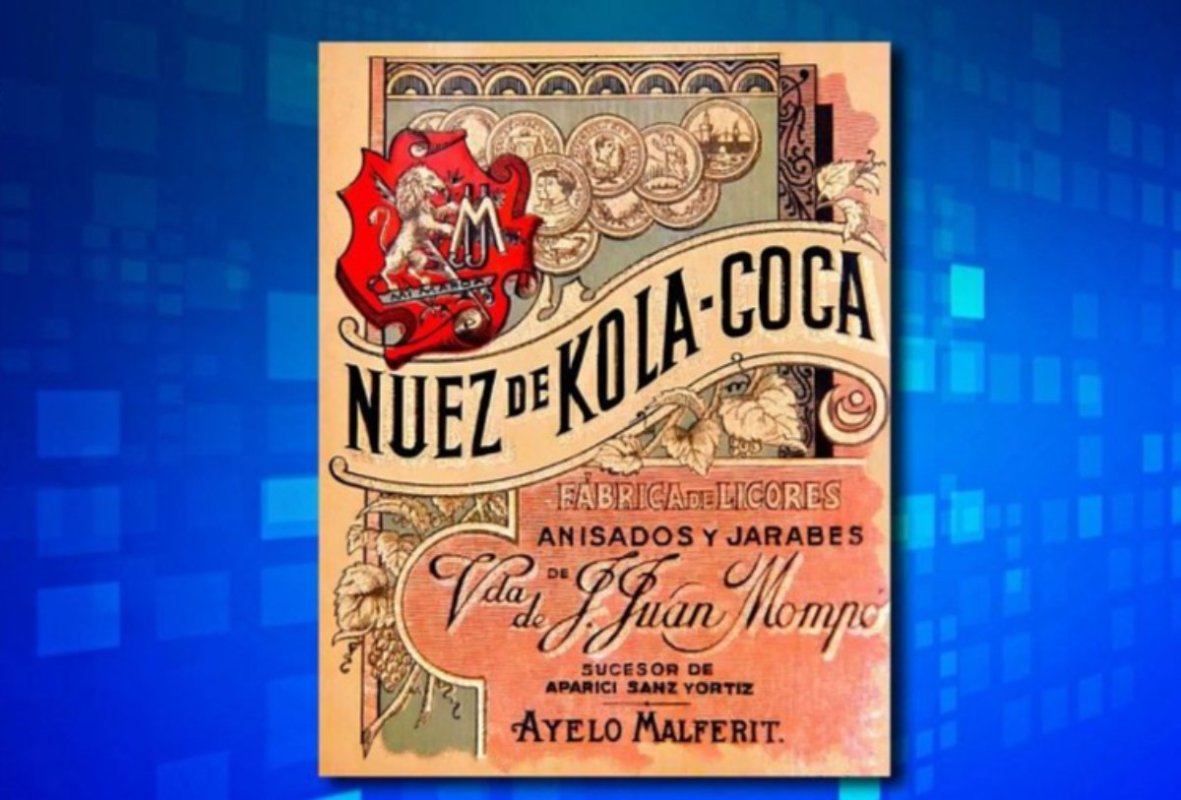
In the south of the province of Valencia, Spain, lies the town of Aielo de Malferit. The town’s century-old distillery, Destilerías Ayelo, still produces a concentrated syrup called ‘Nuez de Kola Coca’. The distillery claims that this beverage, made from kola nuts and coca leaves, is the true predecessor of modern cola.
The Crucial One-Year Timeline
According to the distillery’s historical records, its founders Juan Micó, Bautista Micó, and Ricardo Sanz began developing the syrup in 1880. In 1885, they presented their creation at an exhibition in Philadelphia, USA, where it won an award. In contrast, American pharmacist John Pemberton first sold Coca-Cola in Atlanta in 1886, one year later.
Transatlantic Connections and the ‘Naming Rights’ Deal
Local lore suggests that the founders promoted samples during their visit to the U.S. for the exhibition, which may have inspired the later creation of Coca-Cola. A key piece of supporting evidence is that in 1953, when The Coca-Cola Company officially entered the Spanish market, it paid Destilerías Ayelo to acquire the rights to use the name ‘Kola Coca’ in Spain. This business transaction is seen by locals as an indirect acknowledgment of their historical claim.
The Original Taste of ‘Proto-Cola’
Unlike modern cola, ‘Nuez de Kola Coca’ is a flat, concentrated syrup. It has a richer, heavier mouthfeel with complex aromas of herbs and cinnamon. The traditional way to drink it locally is to dilute it with water or milk, preserving a vintage flavor experience. Today, this piece of history has become a proud cultural emblem for the town.
