Multinational Recalls and Case Reports
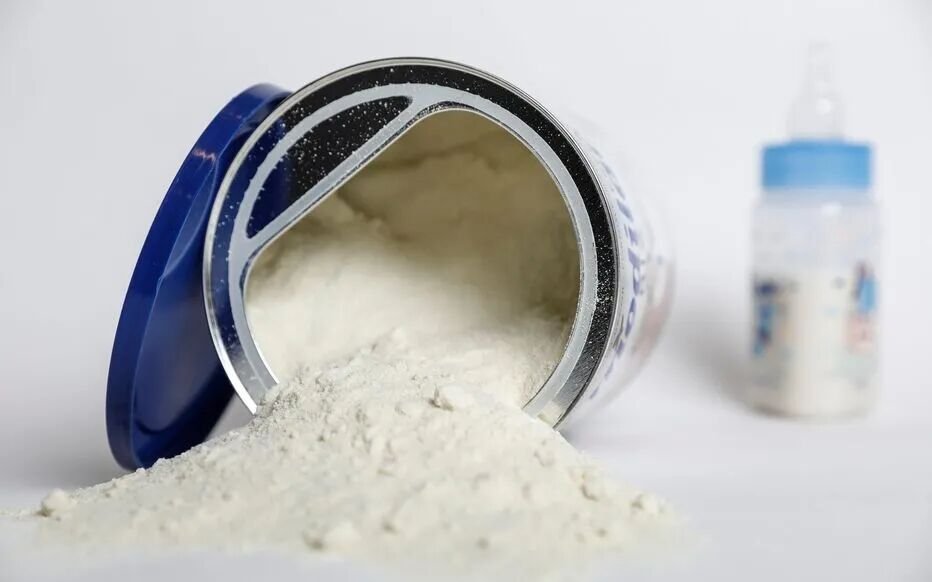
A large-scale public health incident involving infant formula has recently broken out in Europe. The Spanish Agency for Food Safety and Nutrition (AESAN) has issued an alert, ordering the recall of several products, including Babybio Caprea 1 and Babybio Optima 1. This recall affects Spain and 17 other countries. Numerous products, including those from well-known brands like Nestlé and Danone, have been recalled in over 60 countries worldwide, involving approximately 29 European nations.
Simultaneously, several countries have reported related poisoning cases. France has confirmed five cases with six others suspected, and is investigating whether the deaths of two infants are linked to the formula contamination. Belgium has two suspected cases under investigation, while the number of suspected poisonings reported in the UK has reached 36.
Source of Contamination and Toxin Characteristics
Initial investigations indicate that the source of this widespread contamination may be a single Chinese supplier. A key raw material provided by this supplier - an Omega-6 oil containing arachidonic acid (ARA) - is suspected to be the source of contamination with the toxin cereulide. Experts point out that cereulide is produced by the bacterium Bacillus cereus, which is widespread in the environment. The toxin is extremely heat-resistant, making it difficult to destroy with standard heating methods. This means if the food is contaminated during production, subsequent heating steps like preparing the formula with hot water cannot eliminate the risk.
Health Risks and High-Risk Groups
Consuming food contaminated with the cereulide toxin typically causes symptoms of poisoning within 30 minutes to 6 hours, primarily manifesting as severe nausea, vomiting, and abdominal pain, sometimes accompanied by diarrhea. While most healthy adults experience mild symptoms, high-risk groups such as infants and individuals with compromised immune systems can suffer from severe dehydration leading to shock, and in some cases, it can be life-threatening. Infants are at higher risk because formula is their primary source of nutrition. If the product is contaminated, their relative toxin intake is higher, and their immature immune and digestive systems make them highly susceptible to serious complications.
Regulatory Measures and Consumer Advice
Although the European Union (EU) has strict regulations on microbiological criteria for infant formula and implements multiple layers of supervision across the production chain, occasional lapses can still occur. Following the incident, the key measures are to promptly initiate product recalls, disclose information publicly, and warn consumers. Health experts advise parents to pay close attention to official product recall notices and immediately stop using the affected batches of formula. Additionally, it is crucial to ensure hands and equipment are clean and sterilized during daily feeding and to prepare the formula strictly according to instructions to minimize the risk of bacterial growth.
