Water Levels Persistently Rise, Overburdening Reservoirs
Entering 2026, the Iberian Peninsula has been hit by multiple low-pressure systems for several consecutive weeks, bringing abundant rainfall that has caused a dramatic rise in water levels in the reservoirs within the Community of Madrid. According to the latest data released by Canal de Isabel II, the public enterprise of the Community of Madrid, as of early February 2026, the average water storage rate of the 13 reservoirs under its management has reached 83%. The storage rate in some reservoirs has even exceeded 90%, significantly higher than the multi-year average.
Preventive Discharges: A Race Against Time
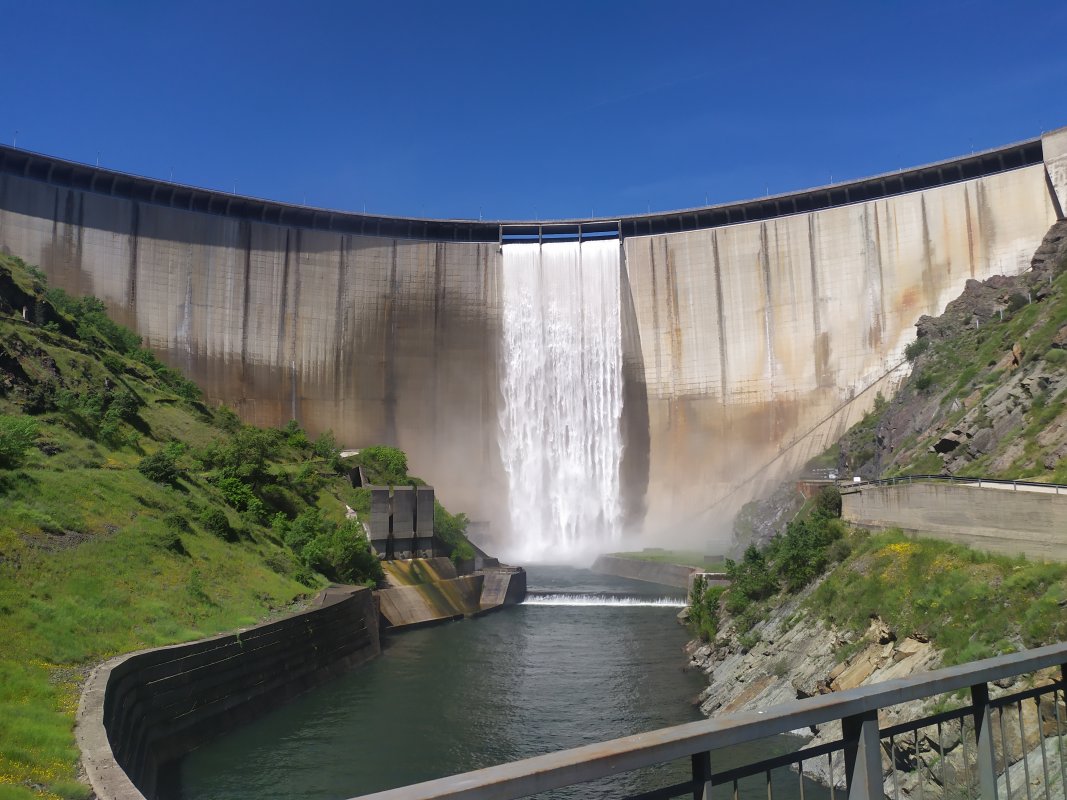
To reserve necessary safety capacity for potential new rounds of rainfall and snowmelt, Canal de Isabel II began opening the gates of 8 dams for discharge as early as January 28, when the system’s average storage rate was only 73%. However, in less than half a month, despite continuous discharges, the reservoir storage volume still increased by 10 percentage points. As of this week, the number of dams participating in the discharge has increased to 9, mainly concentrated in the basins of the Lozoya, Guadalix, Jarama, Manzanares, and Guadarrama rivers.
Downstream River Sections Under Pressure, Alerts Issued in Some Areas
The large-scale discharge operations have directly led to a significant rise in water levels in the downstream river channels. For instance, the water level of the Jarama River (río Jarama) at some monitoring stations has exceeded 2.5 meters, reaching a critical level and triggering a red risk alert. Currently, the area with the largest discharge volume is located in the Lozoya River basin. Relevant departments are closely monitoring meteorological forecasts and seasonal changes, especially the potential compounding effects of high-mountain snowmelt, to dynamically adjust the discharge strategy.
Historical Comparison: Not an Extreme Peak, But Risk Is Significant
Looking back at historical data, Madrid’s reservoirs also experienced a high water level period in the same period of 2025, with the storage rate of some reservoirs (like El Atazar) once reaching over 97% in May 2025. Although the water level at the beginning of 2026 has not yet touched the historical record high, the combined effect of continuous rainfall and snowmelt makes the current water situation far exceed that of most years in the last decade. Overall, the current situation is severe, and Madrid is in a period of high flood risk that requires heightened vigilance.
