Widening Gap Between Renting and Buying Costs
As of the fourth quarter of 2025, renting a standard two-bedroom apartment requires an average of 38% of a household’s net monthly income, whereas a mortgage for a similar property takes up 26%. This marks a significant 12-percentage-point gap. The trend has worsened over the past year, with the rental burden increasing from 36% to 38%, and the mortgage burden jumping from 23% to 26%.
Driving these changes is the dramatic surge in property prices. In the last year, second-hand home prices rose by an average of 16.2%, reaching €2,639 per square meter by the end of 2025. Simultaneously, average rent increased by 8.5% to €14.7 per square meter. This means an 80-square-meter apartment would cost around €211,000 to buy, while its monthly rent would be €1,176.
Heavy Rental Burdens in Major Cities
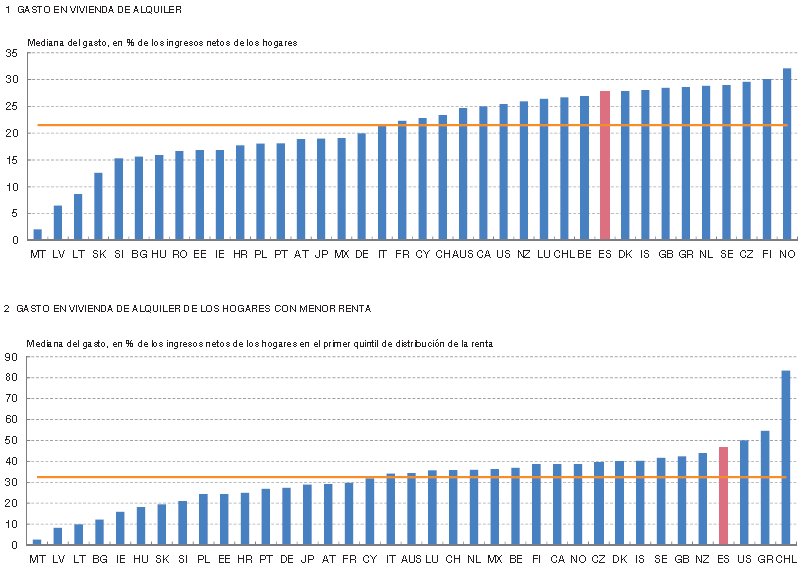
In 48 of the 50 provincial capitals analyzed by Idealista, the financial effort required for renting is greater than for buying. This phenomenon is especially pronounced in major metropolitan areas, where the rental burden in Barcelona, Madrid, Málaga, Valencia, and Palma exceeds 40% of the average household’s monthly income.
Specifically, Barcelona’s rental burden is as high as 46%, compared to a 30% mortgage burden. In Málaga, the figures are 41% for renting and 37% for buying, while in Madrid, they are 40% and 33%, respectively. These cities have some of the highest rental rates in Spain, with Barcelona (€23.8/m²) and Madrid (€22.7/m²) having particularly expensive rent and property prices.
Regional Differences and Market Exceptions
The high costs in metropolitan areas contrast sharply with other regions. In 29 provincial capitals, the mortgage burden is below 20%, with Lleida and Jaén being the lowest at just 13%. In these cities, the rental burden is also relatively low, such as in Ciudad Real, where it is 18%.
San Sebastián in the Basque Country is one of only two cities in the country where the home-buying burden is higher than the rental burden. The city boasts the highest property prices in Spain, at €6,450 per square meter, leading to a mortgage burden of 37%, which surpasses the rental burden of 31%.
Signs of a Cooling Rental Market
Despite the overall upward trend, the rental market has shown some new changes in early 2026. According to data from the Fotocasa property group, in January 2026, some districts in Madrid and Barcelona began to see year-on-year decreases in rent. For example, Madrid’s Barajas district saw a drop of 15.0%, and Barcelona’s Les Corts district saw a 6.8% decrease. Market analysts believe this could be related to government policies aimed at controlling the market by restricting short-term tourist rentals, a move that could increase the supply of housing on the long-term rental market.
