According to a recent survey of Barcelona residents, the city’s pedestrian safety environment is facing severe challenges. The study, based on questionnaires from 1,200 citizens and over 11,000 traffic behavior observations in 12 different districts, shows that approximately 47% of pedestrians report feeling unsafe walking on the city’s streets.
Electric Scooters: The Number One Safety Hazard
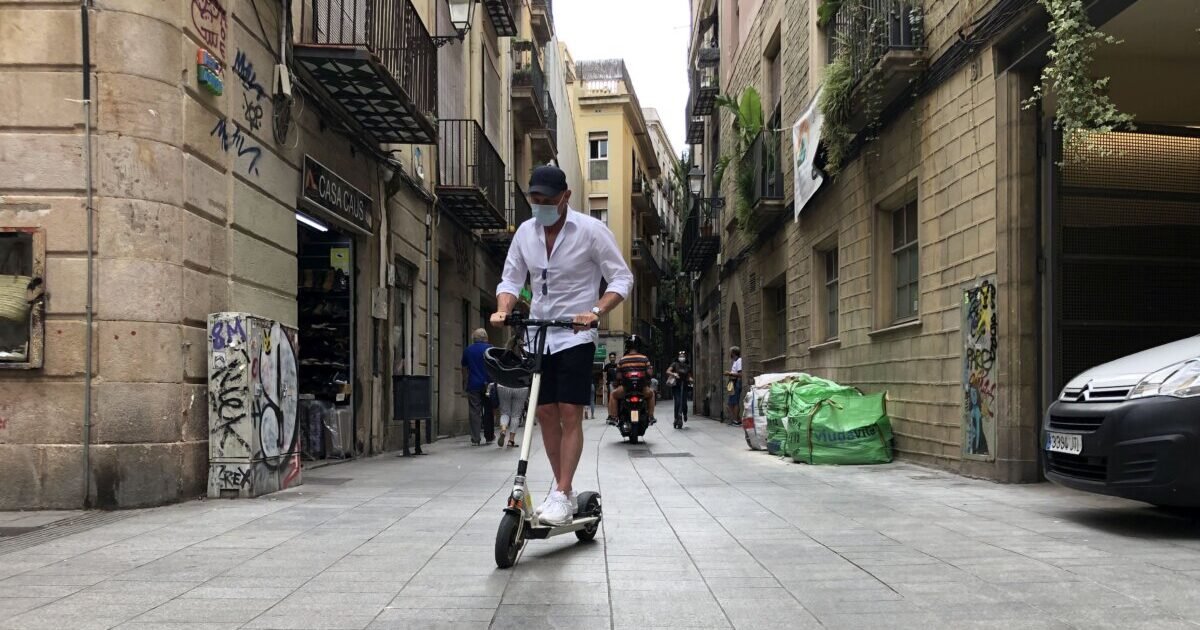
The survey clearly indicates that electric scooters are the primary cause of feelings of insecurity on the streets. A staggering 78% of respondents believe that electric scooters pose the most significant threat. Furthermore, citizens rate the behavior of scooter users very poorly, with 83% of respondents describing their riding style as “reckless” and a potential danger to surrounding pedestrians.
Multiple Risks Compound: Walking Stress Escalates
In addition to electric scooters, other traffic issues also trouble Barcelona’s pedestrians. As many as 79% of pedestrians believe that delivery or service vehicles occupying sidewalks present a high risk. Meanwhile, inadequate urban infrastructure planning is also a concern; 71% of pedestrians feel unsafe when they need to cross bike lanes to get to bus stops or trash disposal points. Over half of the respondents also list “excessive speed” as one of the main sources of risk.
Widespread Traffic Anxiety
The constant traffic pressure has had a negative impact on the mental health of citizens. 53% of pedestrians admit to feeling stressed or anxious while walking in the city. Compared to five years ago, nearly 80% of citizens believe that the pressure of walking has significantly increased. This pervasive negative sentiment highlights the urgency of improving the urban pedestrian environment.
Institutions Call for Systemic Reforms
In response to these issues, the RACC (Royal Automobile Club of Catalonia), as the research institution, has formally submitted a series of improvement proposals to the city government. The organization calls for a comprehensive set of measures, including creating more slow zones, optimizing road and sidewalk signage systems, and genuinely expanding pedestrian-dedicated infrastructure, to systematically enhance Barcelona’s overall pedestrian safety level and rebuild public confidence in getting around the city.
