Background: A Divided Property and a Single Parking Space
The case originated from a property transaction by a Spanish couple. They initially owned a large residence formed by combining two apartments, which included a parking space registered at the property office. Later, they decided to restore the property back into two separate apartments, planning to sell one and keep the other for their own use, while also retaining ownership of the parking space.
The Dispute: Parking Space Occupied After Sale
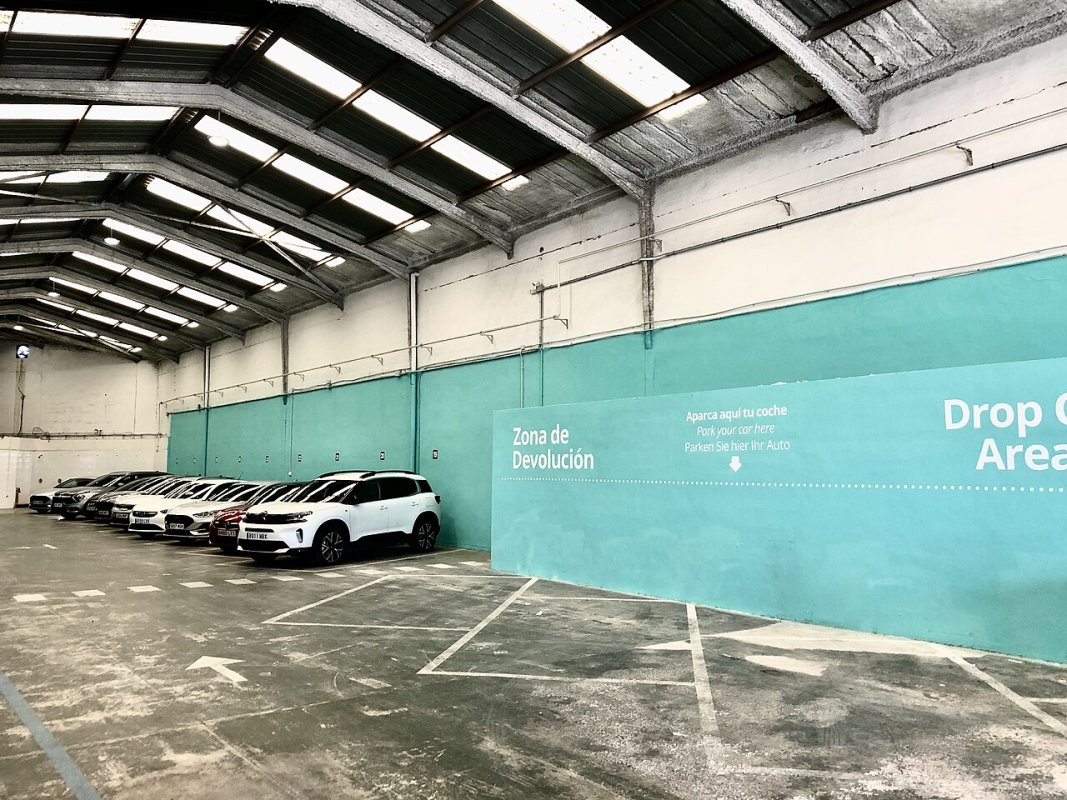
After successfully selling one of the apartments, the couple discovered that the new buyer had begun using their parking space. They believed the parking space was not included in the sales agreement and should belong to them. However, the new buyer insisted that the parking space was purchased along with the house. As both parties could not reach an agreement through negotiation, the matter was eventually taken to court.
The Legal Journey: From Victory to Defeat
In the court of first instance, the judge supported the original owners’ claim, ruling that the parking space was an independent asset and, since it was not mentioned in the sales contract, its ownership should revert to the original owners. However, the buyer appealed to the Provincial High Court. The Provincial High Court overturned the initial judgment, reasoning that the parking space was explicitly recorded as an “inseparable annex” (anejo inseparable) of the property in the property registry. According to Spanish law, unless explicitly excluded in the sales contract, such annexes are automatically transferred with the main property’s title.
Supreme Court’s Final Ruling: Upholding the Principle of Contractual Entirety
The couple, dissatisfied with the Provincial High Court’s decision, appealed the case to the Spanish Supreme Court (Tribunal Supremo). The Supreme Court upheld the Provincial High Court’s ruling. The judge explained that purchase contracts typically include a clause stating that the property is transferred along with all its “inherent uses, appurtenances, and rights.” Since the parking space, as an “inseparable annex,” falls into this category and there was no explicit exclusion clause in the contract, the law defaults to it being transferred with the house. In the end, the couple not only permanently lost the parking space but also had to bear high litigation costs.
Expert Analysis: Explicit Exclusion is Key
Property management expert Alex Nasu pointed out that this case is a classic lesson. It warns all property sellers that when drafting a sales contract, they must explicitly list in writing all items not included in the transaction, especially those assets that could legally be considered “annexes.” Otherwise, the law’s interpretation of the contract’s entirety could lead to significant and regrettable losses for the seller.
