What is Empadronamiento?
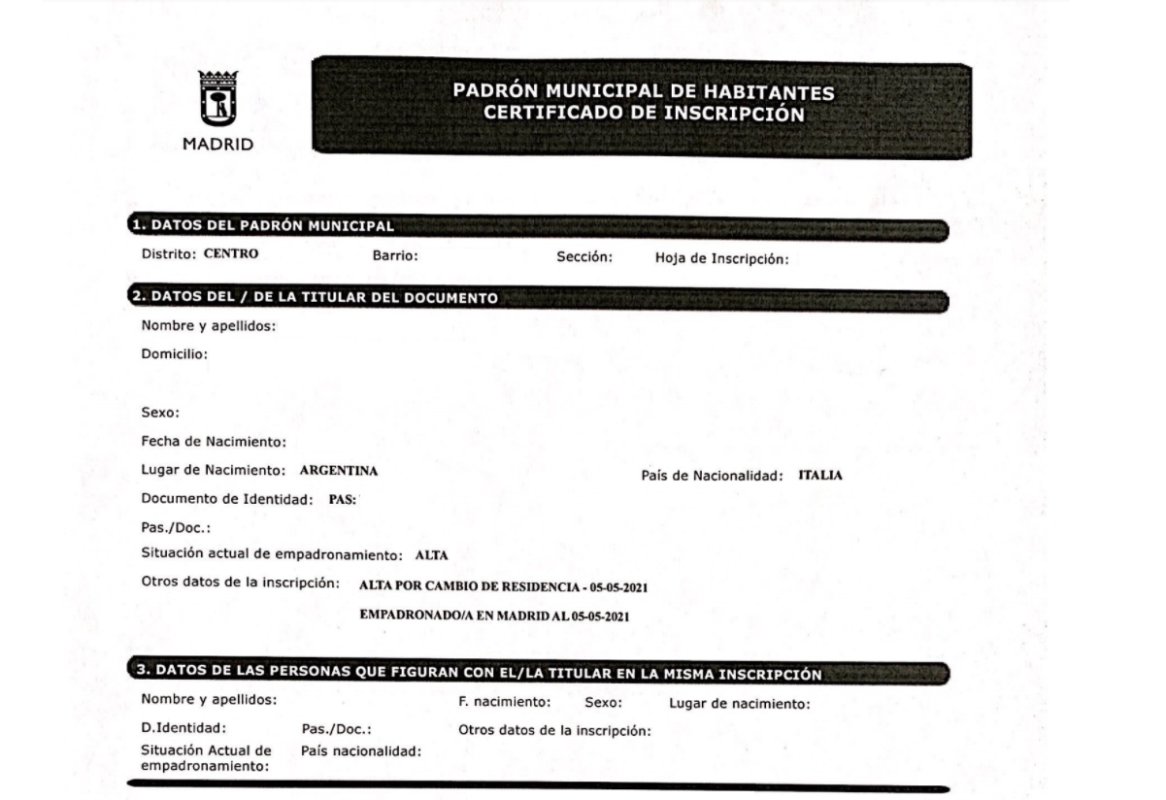
Spanish law requires everyone living in Spain, regardless of their legal residency status, to register their address with their local town hall (empadronarse). This registration acts as a municipal census, allowing the government to maintain a record of its inhabitants. Upon completion, you will be issued a “Certificado de Empadronamiento” (Certificate of Municipal Registration), a vital document that proves your address and length of residence in Spain. It is especially critical for applications such as the ‘arraigo’ residency permit.
Core Documents Required
The key to registering is providing a valid address. The required documents vary depending on your housing situation:
- Identification: A valid passport or Spanish Foreigner Identity Card (NIE).
- Proof of Address:
- Property Owners: The property deed (Escritura).
- Tenants: A valid rental agreement (Contrato de Alquiler).
- Living with Someone Else: An authorization letter signed by the property owner or the main tenant.
Some municipalities may also ask for recent utility bills or, in the case of a rental, a copy of the landlord’s ID to verify the information.
Registration Process and Validity
First-time registration usually requires a personal visit to the town hall office. If registering a minor, a legal guardian must accompany them. The ‘Certificado de Empadronamiento’ itself is typically valid for 3 months. After it expires, you can request a new one at any time as needed; there is no limit on how many times you can apply. The process is generally free, though some cities may charge a small administrative fee.
Key Considerations
An important rule for non-EU citizens without permanent Spanish residency is that their registration is valid for two years. You must proactively visit the town hall to renew it before the two years are up; otherwise, your registration will be automatically cancelled. This can severely impact ongoing residency applications. Furthermore, if you move, your old registration is not automatically cancelled unless you register at your new address. However, a landlord has the right to request the town hall to deregister a former tenant who no longer lives at the property.
