A Farmer’s Pledge of Faith
Justo Gallego Martínez was born in 1925 in Mejorada del Campo, near Madrid. As a young man, he was forced to leave a monastery after contracting tuberculosis. Following a miraculous recovery, on October 12, 1961, he made a vow to spend the rest of his life building a cathedral on his family’s land to thank Our Lady of the Pillar, to whom he attributed his healing.
Sixty Years of Solitary Construction
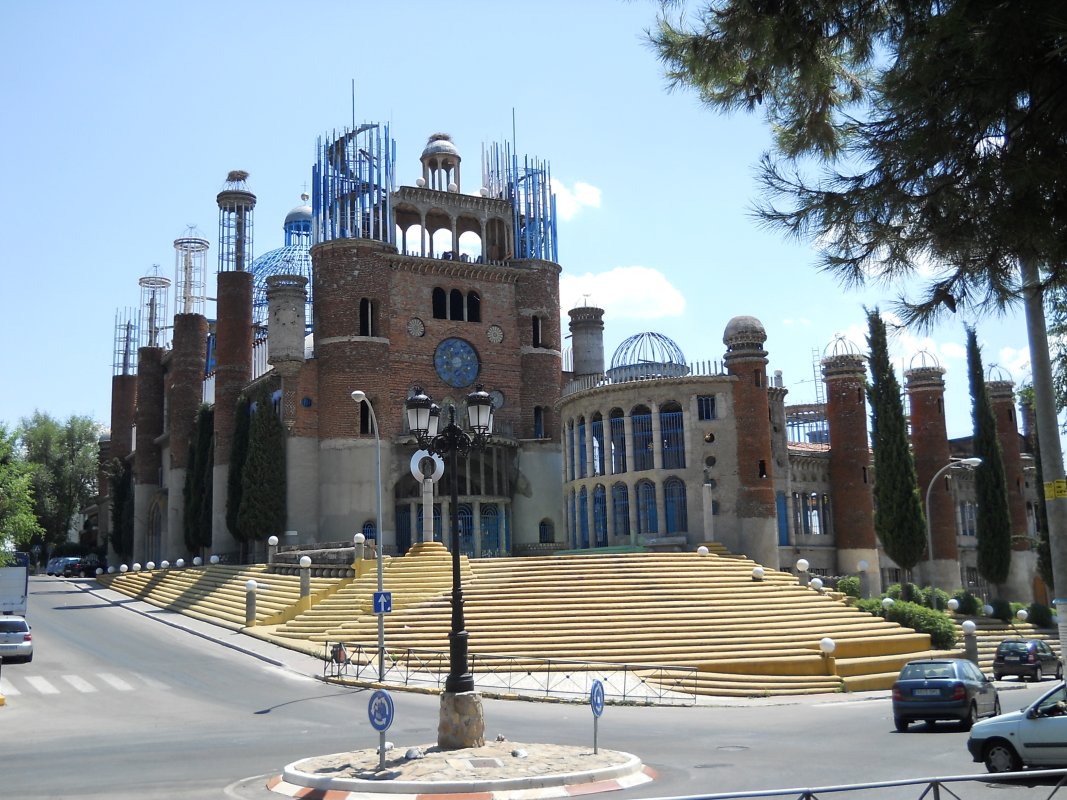
For over six decades, Justo, with only a primary school education, built his cathedral without any blueprints or professional knowledge. Guided solely by the ‘vision in his head’ and self-taught lessons from books on castles and cathedrals, he worked alone or with the help of a few volunteers. He extensively used recycled materials like discarded bricks, oil drums, and bicycle wheels, turning waste into a magnificent structure standing 40 meters tall. This monumental, almost Sisyphean effort stands in stark contrast to the work of academically trained master architects like Gaudí.
From National Fame to Posthumous Controversy
Although the building never received official recognition from the Catholic diocese, Justo’s persistence earned him widespread public respect. In 2005, a commercial for an Aquarius drink brought him national fame, turning the small town into a tourist destination. In April 2021, at the age of 95, Justo was awarded the title of ‘Favorite Son of Mejorada del Campo.’ He passed away on November 28 of the same year, leaving behind his unfinished masterpiece.
The Municipal Ban and an Uncertain Future
After Justo’s death, the ‘Messengers of Peace’ foundation, led by Father Ángel, took over the building, investing funds to legalize it and use it for social and charitable purposes. However, on February 10, 2026, the Mejorada del Campo city council officially ordered its indefinite closure, citing the building’s ‘lack of permits’ and the long-term failure to submit a compliant architectural plan. Currently, the foundation and its supporters continue to fight for the preservation of this unique cultural landmark, hoping the ban can become the starting point for its new beginning.
