Hello everyone! While recently organizing some materials on Spanish education, I stumbled upon a fascinating, yet quite serious, topic: universities in Spain that have either vanished into history or, simply put, have closed down. For those of us living here, choosing a school and dealing with academic qualifications is a common task, whether for ourselves or for friends and family. I thought this information could be valuable for anyone planning to study here, so I’ve compiled it to share. Let’s consider it a guide to avoiding potential pitfalls.
When we think of Spanish universities, prestigious names like the University of Salamanca or the Complutense University of Madrid usually come to mind. However, Spain’s higher education system has also seen its share of institutions that didn’t make the cut. Some universities have shut down due to mergers, financial troubles, or because they were simply ill-fated projects. When selecting a school, beyond considering rankings and majors, it’s vital to investigate the institution’s ‘health’ and historical background, especially considering cases of closed Spanish universities. After all, it would be a major disappointment to spend years earning a degree only to find your alma mater has disappeared.
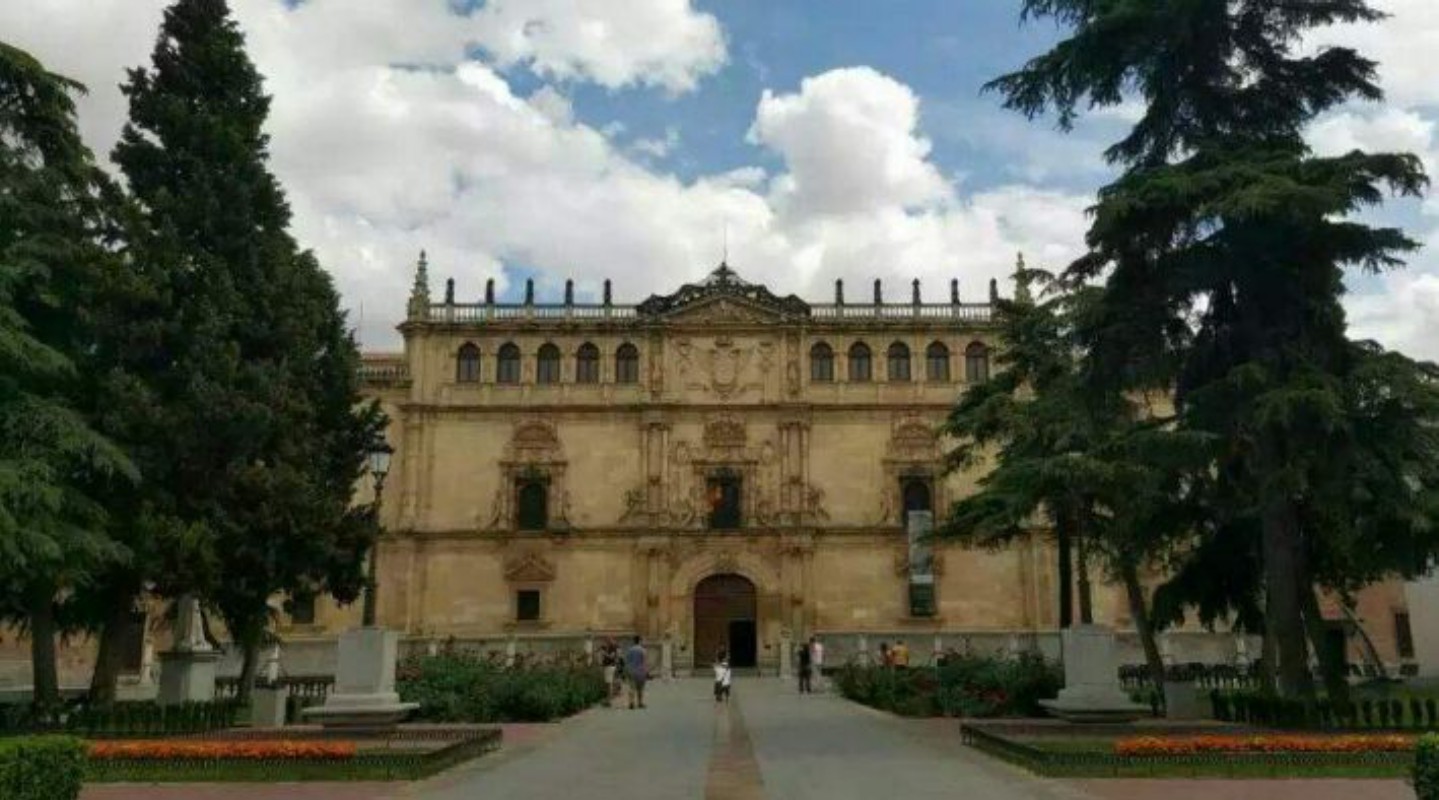
A Modern “Ghost University”: Universidad SEK
This is a classic and rather dramatic example. Many newcomers may not have heard of it. In the 1990s, the international education group SEK planned to establish a new private university in Villafranca del Castillo, a suburb of Madrid. The campus was fully built and quite beautiful. However, for various reasons, mainly related to approvals and permits, the university ultimately never managed to open—it was essentially ‘dead on arrival.’ Later, this completed campus was taken over by another emerging private university, Camilo José Cela University (UCJC). So, what you see today as UCJC’s main campus was originally the grounds of this ‘ghost university.’ This serves as a reminder that there can be many uncertainties between the planning and execution of a project.
A Vanished Historic University: Universidad de Baeza
Let’s talk about a historical one. The University of Baeza in Andalusia, founded in 1538, was a major academic institution of its time, renowned alongside Salamanca and Alcalá for its strong focus on humanities. Unfortunately, due to educational reforms and resource consolidation in 19th-century Spain, this illustrious university, after nearly 300 years of operation, was ordered to close in 1824. If you visit Baeza today, you can still see its magnificent old building, which has been converted into a high school and is now part of a UNESCO World Heritage site. This shows that the survival of a university is also closely tied to national policies.
To make things clearer, I’ve summarized the information in a simple table:
| University Name | Location | Status | Notes |
|---|
| Universidad SEK | Madrid | Project not approved | Campus facilities were acquired and are now used by Camilo José Cela University. |
| Universidad de Baeza | Jaén, Andalusia | Closed in 1824 | Formerly a major humanist university in Spain; its historic site is now a UNESCO World Heritage site. |
| Universidad de Osuna | Seville, Andalusia | Closed in 1824 | Also closed during the 19th-century educational reforms; its former building is now a cultural center. |
This list is certainly not exhaustive, but rather a collection of a few representative examples I’ve found. In summary, when choosing a university, particularly a newer private one, you must keep your eyes open. Always verify its legal status by checking the official registry on the Spanish Ministry of Education’s website. I hope this post is helpful, and I encourage anyone who knows more about defunct Spanish universities to share more information in the comments below!
