A New Discovery Amid the Global Salt Reduction Challenge
The World Health Organization (WHO) has recently reiterated the importance of controlling salt intake, pointing out that approximately 1.9 million deaths worldwide are attributed to excessive salt consumption each year. The organization recommends that adults consume no more than 2 grams of sodium per day (equivalent to about 5 grams of salt). However, the current global average intake exceeds 4 grams, far surpassing healthy standards. Excessive sodium is a primary risk factor for high blood pressure and related cardiovascular diseases.
“Sea Asparagus”: A Green Alternative from Spain
In the salt marshes of the Bay of Cádiz in southern Spain, a plant called Salicornia has brought hope for solving this problem. This naturally salty plant is known as “sea asparagus” in its fresh state and is often used in high-end cuisine. After dehydration and grinding, Salicornia can be made into a green “vegetable salt.” Its core advantage lies in having 75% less sodium than traditional table salt while being rich in beneficial minerals such as potassium, magnesium, calcium, and iodine. Its dietary fiber content is also close to 30%.
Clinical Study Confirms Its Blood Pressure-Lowering Efficacy
A clinical trial involving Dr. Joan Montaner, head of neurology at the Virgen Macarena Hospital in Seville, has provided strong evidence for the health benefits of Salicornia. The research team had a group of hypertensive patients completely replace common salt with Salicornia powder for one month. The results showed a significant decrease in both systolic and diastolic blood pressure among the participants. Researchers pointed out that the key to Salicornia’s success is “reducing salt without reducing flavor.” It not only retains a salty taste but also has a natural umami flavor similar to monosodium glutamate, making it easier for consumers to adhere to a low-sodium diet long-term without feeling that their food is bland.
Sustainable Agriculture and Market Prospects
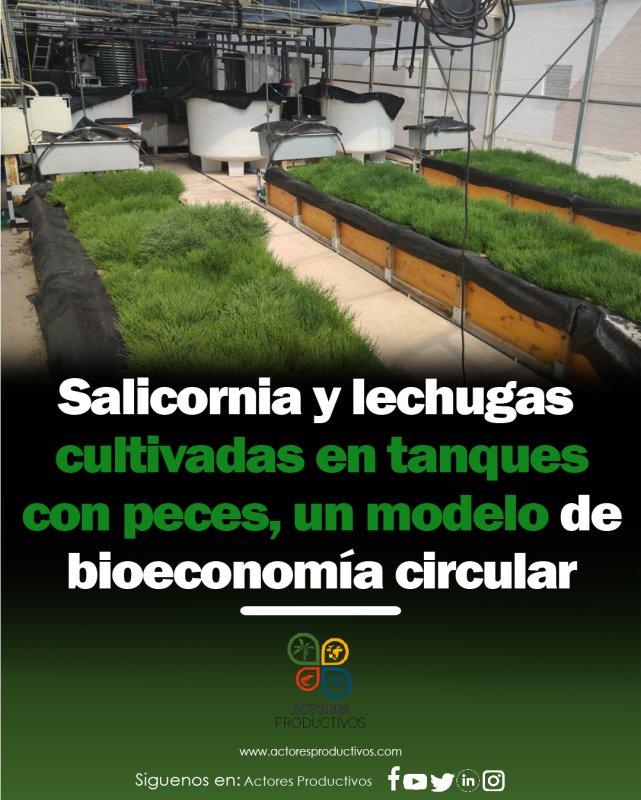
This project is part of the “Marisma Biomed” innovation initiative, which aims to promote sustainable marine agriculture in the Bay of Cádiz region. Currently, Salicornia powder is already available on the market in shakers or bulk form. Meanwhile, the project team is collaborating with several food companies to explore its application in processed foods to address the issue of “hidden salt” consumed by consumers. Although it remains to be seen whether Salicornia can fundamentally change the public’s dietary habits, it undoubtedly offers a very promising solution for achieving healthy salt reduction without sacrificing flavor.
