Unveiling Spain’s Mysterious Bullfighting Schools
Having been in Spain for a while, bullfighting is a topic that inevitably comes up when discussing the country’s national culture. While the tradition is highly controversial today, it’s undeniably a deep-seated part of the Spanish identity. The other day, a local friend and I were chatting, and a question came up: How exactly are matadors made? Are they just naturally gifted, self-taught talents? My friend laughed at my naivety, explaining that behind it all lies a complete, and one might even say brutal, professional training system—the bullfighting school. Many are surprised to learn that you can even find bullfighting training in Spanish universities.
A bullfighting school, called an Escuela de Tauromaquia in Spanish, isn’t what you might think of as a typical ‘school.’ It’s more like a vocational or martial arts academy dedicated to producing professional bullfighters. These schools are found all over Spain, especially in regions with deep-rooted bullfighting traditions like Andalusia and Madrid. Their purpose is to systematically teach the theory, techniques, and history of bullfighting, transforming an ordinary teenager into a professional who can command the bullring.
Admissions and Curriculum
Getting into a bullfighting school is no easy feat, starting with strict age restrictions. Most schools enroll youths between 10 and 18; any younger is considered too early, and any older is past the prime learning age. Once admitted, the schedule is packed and far from easy. It’s not as simple as just waving a red cape—there’s a great deal of knowledge to master.
The curriculum is mainly divided into these key areas:
| Course Category | Main Content | Training Goal |
|---|
| Physical Conditioning | Long-distance running, gymnastics, flexibility training | To maintain the matador’s agility and stamina |
| Theoretical Knowledge | History of bullfighting, rules, bull behavior | To understand the culture and know both the bull and oneself |
| Technical Skills | Bullfighting footwork, use of the capote (large cape) and muleta (small red cape) | To master core bullfighting techniques |
| Practical Drills | From practice with a bull horn cart to facing small calves | Progressive training to build courage and on-the-spot reflexes |
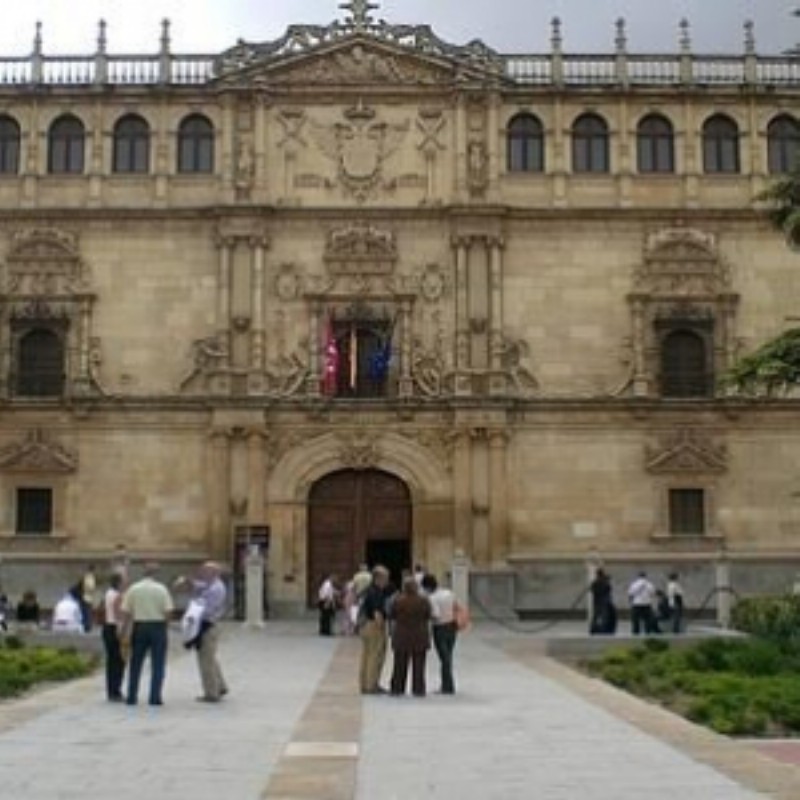
The picture above shows the most renowned bullfighting school in the Community of Madrid, the ‘Marcial Lalanda’ school, located in Venta del Batán. Many future stars of the bullring have graduated from here. Besides Madrid, schools in cities like Seville and Albacete are also very famous.
Becoming a true matador is the pinnacle of glory, but the path is fraught with extremely high risks and dropout rates. Every year, countless aspiring youths enter these schools, but only a handful will ever step into a top-tier bullring and earn their ‘Alternativa’ (the ceremony marking their graduation to full matador status). It’s not just a test of skill, but an ultimate challenge of courage, perseverance, and mental fortitude.
What are your thoughts on this type of early-age training model? Do you see it as a way of preserving culture, or do you find it somewhat cruel? Let’s discuss!
