Sudden Failure and Line Disruption
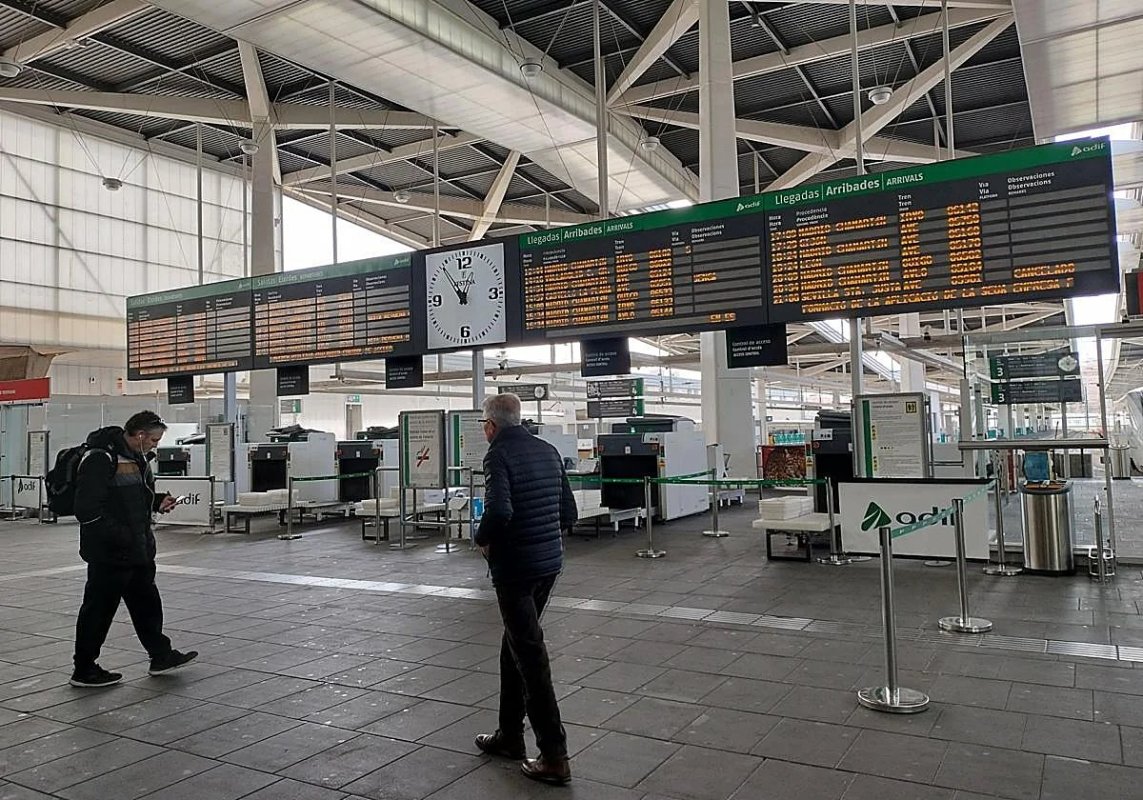
On the morning of Monday, February 17, 2026, Spain’s high-speed rail network (AVE) faced a new operational challenge. A train bound for the Levante region suffered a technical failure near the Tarancón station in the province of Cuenca, leading to widespread disruptions on the main line connecting the capital, Madrid, with eastern cities such as Valencia and Alicante. According to initial reports, delays for several trains have exceeded one hour, severely impacting passengers during the morning peak.
Vague Official Response
Following the incident, the Administrator of Railway Infrastructures (Adif) issued a brief statement through its official social media channels. The statement confirmed ‘significant delays’ on the Madrid-Levante high-speed line due to a ‘train incident’ in Tarancón. Adif stated that its technicians were on-site ‘working to restore normal service as quickly as possible.’ However, the announcement did not disclose the specific technical cause of the failure nor provide a precise timeline for service restoration, leaving many waiting passengers poorly informed.
Frequent Incidents Trigger Crisis of Confidence
The train failure at Tarancón is not an isolated event. In recent months, operator Renfe and infrastructure manager Adif have faced growing public criticism for service delays, cancellations, and frequent technical issues. As one of the country’s busiest routes, the reliability problems on the Madrid-Levante corridor are particularly pronounced. This series of operational issues has become even more sensitive following the tragic Ademuz train derailment that shocked the nation. That accident, which resulted in 46 fatalities, led to an unprecedented level of scrutiny into the safety and management of Spain’s railway system.
Investment Pledges vs. Reality’s Challenges
Although Spanish Prime Minister Pedro Sánchez strongly refuted accusations of ‘underinvestment’ in the railway after the Ademuz accident and pledged an additional €1.8 billion for system maintenance, recurring operational failures like the one at Tarancón continue to test passengers’ patience. When the punctuality of ‘high-speed rail’ cannot be guaranteed, its core advantage is eroded. For the tens of thousands of travelers who rely on this system weekly, every unexpected delay weakens their trust in the national rail network.
