In an era of increasingly prevalent electronic devices, the issue of children’s inattention is gaining more focus. Multiple Spanish studies and educational practices show that, compared to screens, natural environments are an effective way to enhance children’s cognitive abilities.
Significantly Boosts Concentration, Alleviates ADHD Symptoms
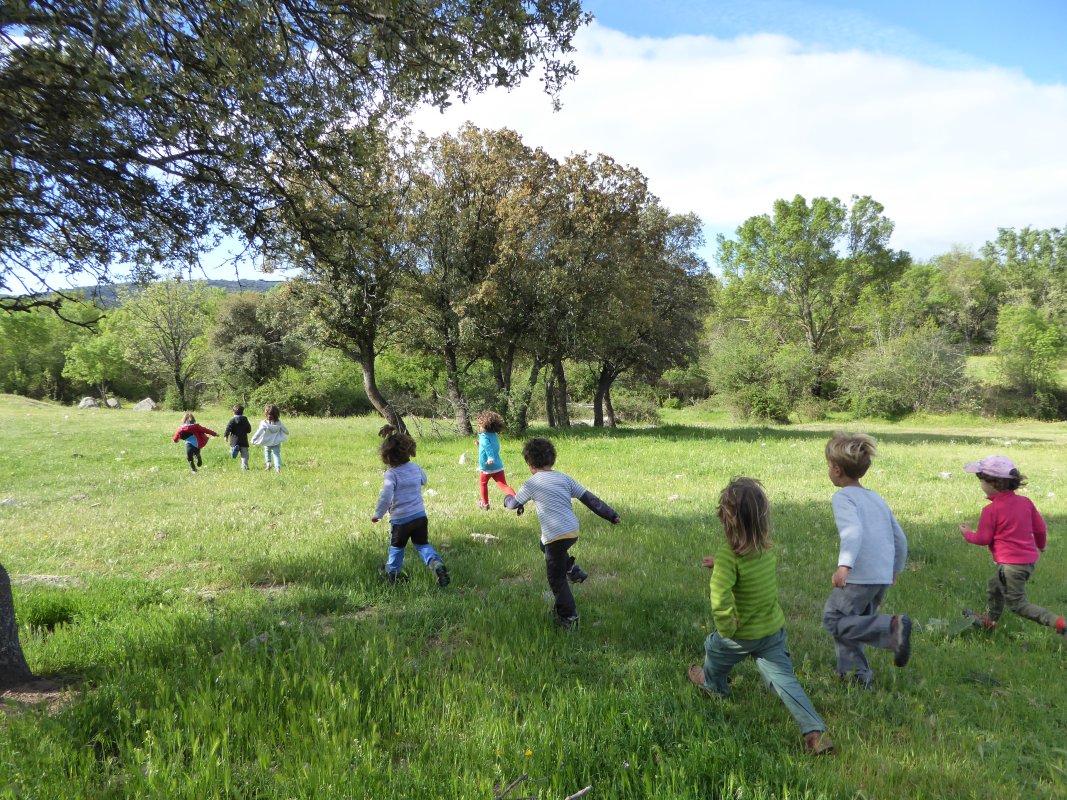
Ana Julià, head of the Montessori Palau International Research and Training Center in Spain, points out a common observation in education: children can be highly focused on screens but struggle to maintain attention in other situations. Scientific research offers a solution. The latest data shows that children who regularly interact with natural environments can see their concentration improve by about 25%. Furthermore, this exposure shows positive effects for children with Attention Deficit Hyperactivity Disorder (ADHD), with green spaces acting as a natural “attention training ground”.
Lowers Stress Levels, Promotes Nervous System Recovery
Scientific research has revealed the physiological mechanisms through which natural environments affect the brain. Multiple studies published in international journals confirm that being in green environments can effectively reduce levels of stress hormones (like cortisol) in children, helping their overstimulated nervous systems regain balance. Experts explain that the constant high-intensity stimuli in urban settings can easily lead to mental fatigue. The gentle and tranquil nature of the outdoors alleviates this stress, acting like a “reboot” for the brain, thereby improving children’s emotional regulation, mental health, and overall well-being.
Practical Application of ‘Attention Restoration Theory’
The ‘Attention Restoration Theory’ (ART), proposed by the scientific community, further explains this phenomenon. The theory posits that highly stimulating urban environments constantly deplete our directed attention, leading to mental fatigue and distraction. In contrast, natural settings engage our involuntary attention with their “soft fascinations” (like changing clouds or swaying leaves), allowing the brain to rest and recover effortlessly. The diverse sounds, textures, and terrain variations in nature also enrich a child’s sensory experiences, promoting the development of more complex neural connections in the brain.
Early Exposure Lays the Foundation for Future Cognition
The benefits of exposure to nature have long-term effects, especially during early childhood. One study found that toddlers who had daily contact with natural environments before the age of two showed superior executive functions by age four, with notable advantages in memory, planning, and self-control. Additionally, growing evidence indicates a strong correlation between community green space coverage and lower rates of childhood obesity and increased physical activity. Therefore, experts urge schools and families to make outdoor nature experiences a part of the daily routine, not just an occasional recreational activity. This is not only beneficial for physical health but is also a crucial investment in a child’s brain development and future learning capabilities.
