Spain Increases Minimum Interprofessional Wage
The Spanish government and labor unions have reached an agreement to raise the Minimum Interprofessional Wage (SMI) for 2026 to €1,221 per month, paid in 14 installments annually. This adjustment represents an approximate 3.1% increase from the previous year. The new standard will take effect on January 1, 2026, and is expected to benefit between 1.66 and 2.5 million low-income workers, while maintaining the income tax exemption policy for them.
At the signing ceremony, Spanish Prime Minister Pedro Sánchez strongly criticized the Spanish Confederation of Employers’ Organizations (CEOE and Cepyme) for refusing to support the increase. He emphasized that amid widespread growth in corporate profits, businesses should bear more social responsibility by increasing employee wages, not just focusing on costs. Although the business sector worries this move could increase operational pressure, the agreement will be implemented without parliamentary approval as it has the support of the government and unions.
Church to Self-Finance Papal Visit
The Spanish Catholic Church has announced that all organizational costs for Pope Leo XIV’s visit this summer will be self-funded through donations from the faithful and corporate sponsorships, without directly using state funds. The Church stated that the funds will cover event organization, venue preparation, and other related expenses, and will undergo an independent audit to ensure financial transparency.
Nevertheless, in accordance with international protocol, the Spanish government will still cover the necessary security and protocol expenses for the Pope’s visit as a head of state. The Pope is scheduled to visit cities including the Canary Islands, Barcelona, and Madrid. The Church’s initiative aims to reduce public controversy over the funding sources for the event and demonstrate its commitment to transparent management under public scrutiny.
Madrid-Seville High-Speed Rail to Resume Operations Soon
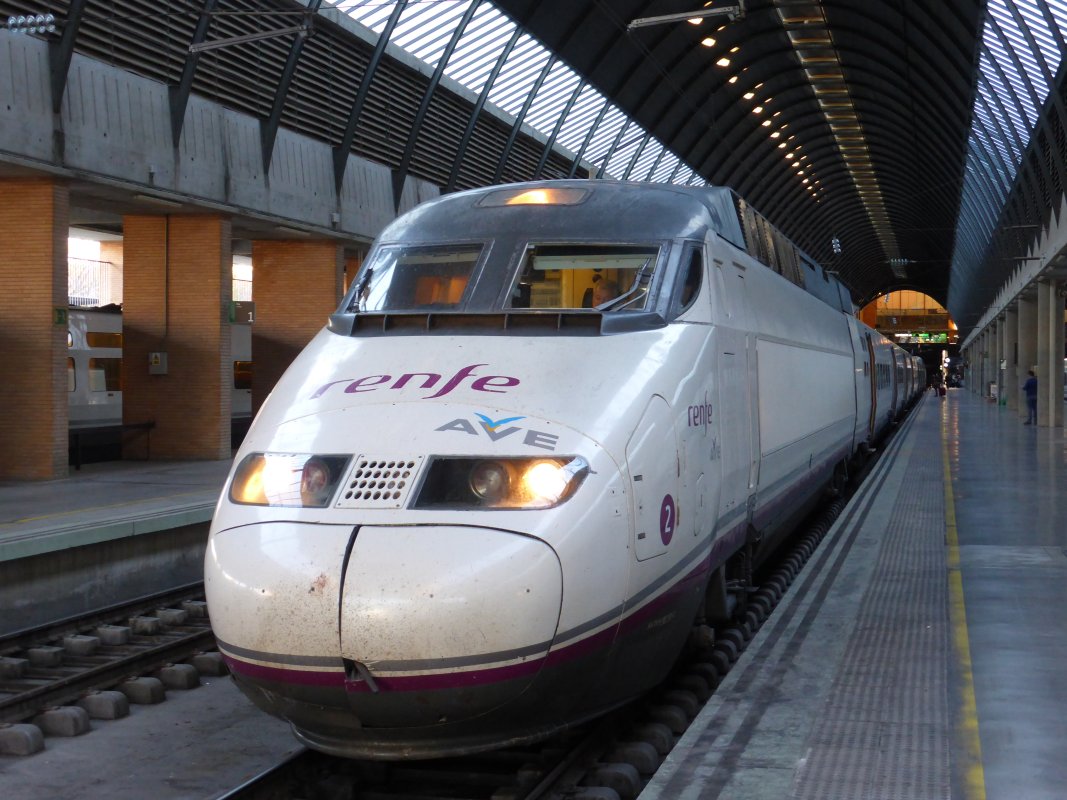
The Madrid-Seville high-speed rail line, which was suspended for nearly a month following a serious railway accident in Adamuz, Córdoba, on January 18, 2026, is expected to fully resume service in the coming days. Minister of Transport, Óscar Puente, confirmed this news.
The accident resulted in 46 fatalities and led operators such as Renfe, Iryo, and Ouigo to suspend services on this route. Passengers had to transfer to buses for parts of their journey, with travel times exceeding 5 hours. Once the line is restored, the total travel time for AVE trains will be reduced to between 2 hours 39 minutes and 3 hours 8 minutes. Although railway repair work was delayed by judicial authorizations and adverse weather, it was ultimately expedited under an emergency contracting mechanism. Currently, all operators have reopened ticket sales for the affected routes.
