“Outsider” at Key Preparatory Meeting
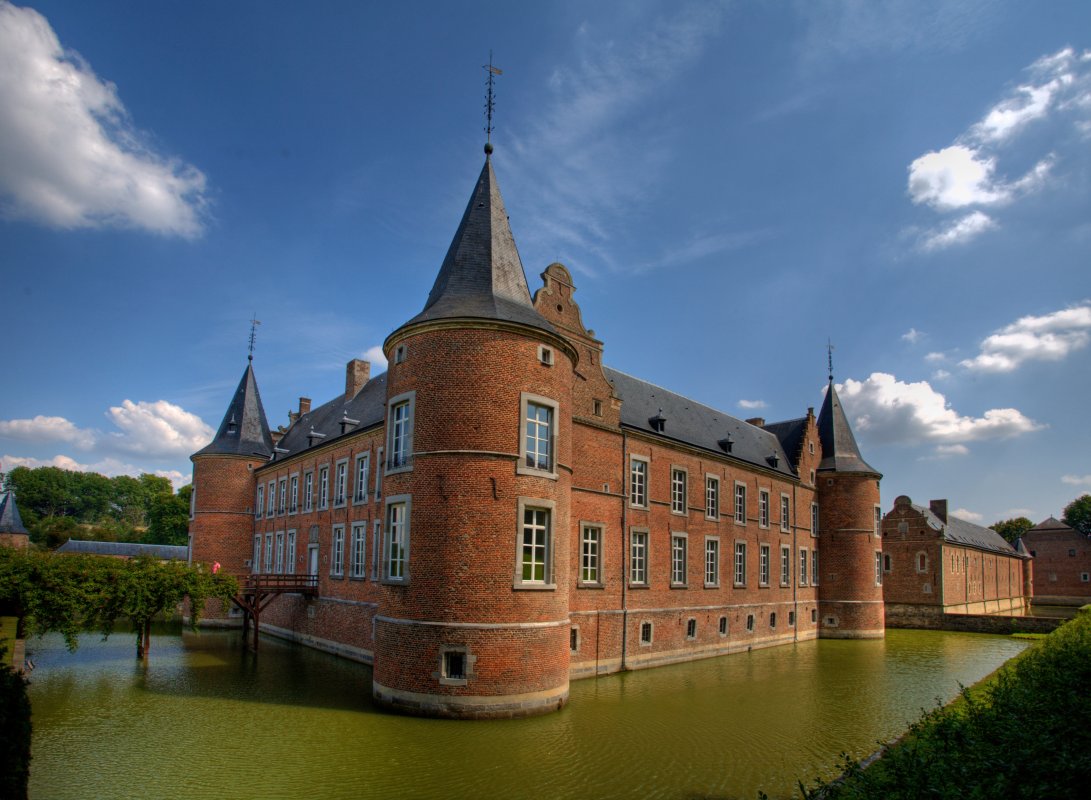
Ahead of the informal EU summit at Alden Biesen Castle in Belgium in February 2026, a crucial preparatory meeting will be held to align positions. Initiated by Germany and Italy, with France also participating, the meeting is expected to include at least 15 EU member states and European Commission President Ursula von der Leyen. However, Spanish Prime Minister Pedro Sánchez has confirmed he will not attend this meeting, opting instead to go directly to the formal summit convened by European Council President António Costa. This decision leaves Spain outside the core group shaping the EU’s future economic strategy.
A Recurring Pattern of Exclusion
Sánchez’s absence is not an isolated incident but the latest in a series of exclusions from high-level, restricted forums. In recent months, Spain was not invited to key video conferences on the future of the war in Ukraine, where leaders like French President Macron, Italian Prime Minister Meloni, and German Chancellor Scholz communicated with Ukrainian President Zelenskyy and US President Trump. Furthermore, the Spanish government was not invited to the US-Europe security summit held in the UK in August 2025, and Spain was not among the signatories of a document, signed by von der Leyen and several member states, supporting Ukraine.
Behind the Declining Influence
In Brussels, the prevailing view is that the Spanish government’s excessive focus on domestic affairs is limiting its ability to play a more significant role on the European stage. Spain’s absence is particularly conspicuous as the EU’s priorities have shifted towards enhancing economic competitiveness, simplifying regulations, and ensuring security. Concurrently, on the issue of defense spending, the Sánchez government has rejected the call by former US President Trump to increase defense expenditure to 5% of GDP, a disagreement that has heightened tensions. Additionally, the Sánchez government’s migration policies have previously caused concern at the EU level, with fears they could negatively impact the entire bloc.
Seeking Differentiated Integration
Despite missing the preparatory meeting, Sánchez still plans to present his proposals at the formal summit. He will emphasize the need for Europe to strengthen its internal capabilities by deepening the single market and boosting its own competitiveness. According to Spanish government sources, Sánchez will reiterate that when the 27 member states cannot reach a consensus, some countries should be allowed to advance the integration process at a faster pace—the so-called “two-speed Europe.” The summit will also feature former Italian Prime Ministers Mario Draghi and Enrico Letta, whose reports on the shortcomings of the single market will form the basis for discussion. After the summit, Sánchez will travel to Munich to attend the Security Conference, attempting to secure a greater voice for Spain in multilateral forums.
