Policy Implementation and Public Response
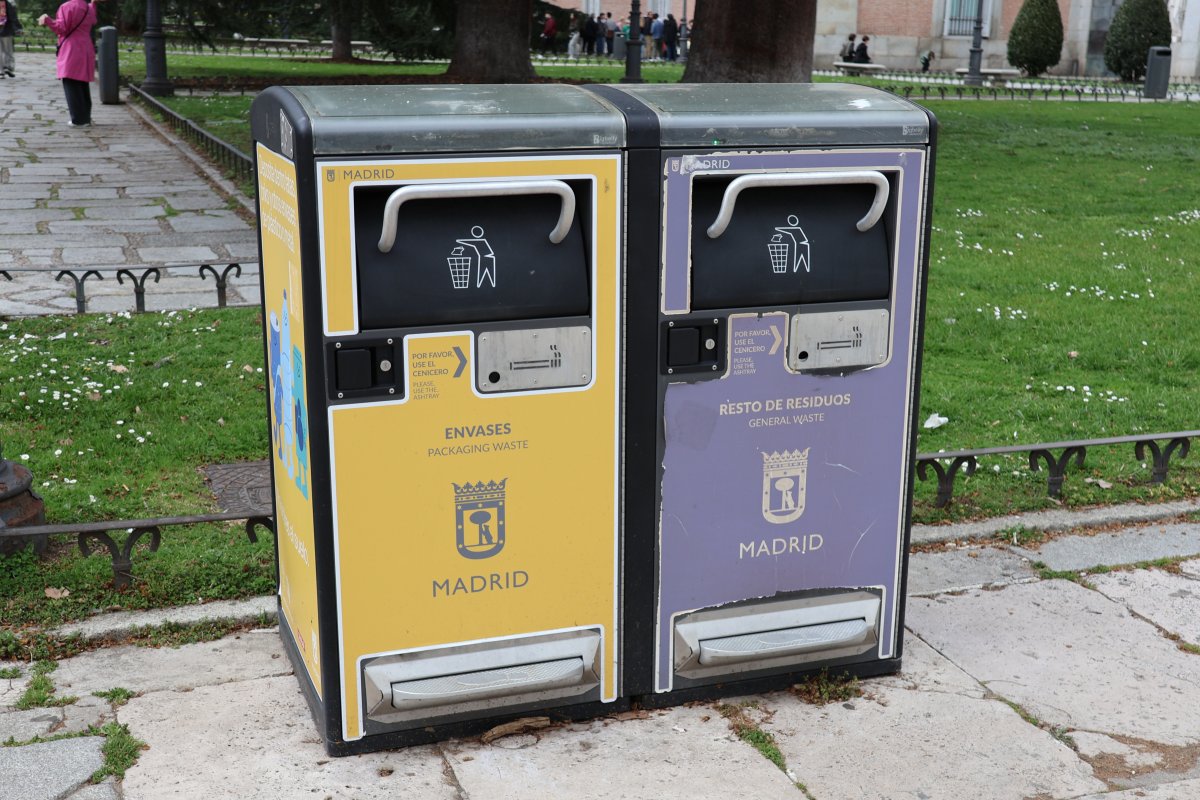
In line with the Spanish government’s requirement to transpose the European Waste Framework Directive into national law, a new waste management fee has been rolled out in municipalities across the country, including the capital, Madrid. However, its implementation has not been smooth. In the six months since the new regulation took effect, as of February 9, 2026, the Madrid City Council has received 130,187 economic-administrative complaints and appeals. The high volume of complaints indicates widespread disagreement with the new fee, with many challenges to the ordinance’s legality based on templates promoted by certain political groups.
Official Response and Legal Framework
Facing public outcry, the Madrid Economic-Administrative Court (TEAMM) and the Madrid Tax Agency issued a joint statement clarifying that determining the validity of an ordinance is not within their jurisdiction, but is a power reserved for the courts. Officials explained that the waste fee strictly adheres to the core ‘polluter pays’ principle. It aims to financially incentivize all waste producers to properly sort and manage their waste. This measure is a mandatory requirement of national law, intended to promote a circular economy and environmental protection.
Collection Rules in the Madrid Area
Specifically in the city of Madrid, approximately 1.7 million properties are expected to be subject to this fee this year. The regulation stipulates an average annual cost of around €140 per household to cover waste collection and treatment costs. However, the municipal ordinance also provides for exemptions. Non-independent garages and storage rooms attached to residences, derelict plots of land, and buildings declared to be in a state of ruin are exempt, as they do not generate domestic waste. Furthermore, owners who convert a garage from industrial to residential use and submit a corresponding declaration of responsibility to the municipal authorities can also be exempted. For vacant homes and commercial premises with no business activity, owners need only pay a basic fee after certifying their status with the municipal registry annually.
Challenges and Outlook
Although the new waste management fee was intended to improve environmental standards and resource management efficiency, the record number of complaints clearly shows that residents still have significant concerns regarding the policy’s specific implementation details, collection methods, and fee transparency. This poses a serious challenge for the administration in terms of policy communication and enforcement. Looking ahead, the key to the policy’s successful implementation will be finding a way to firmly advance environmental goals while effectively responding to public opinion and resolving concerns to achieve broader social acceptance.
