Heavy Rains Expose Years of Neglect
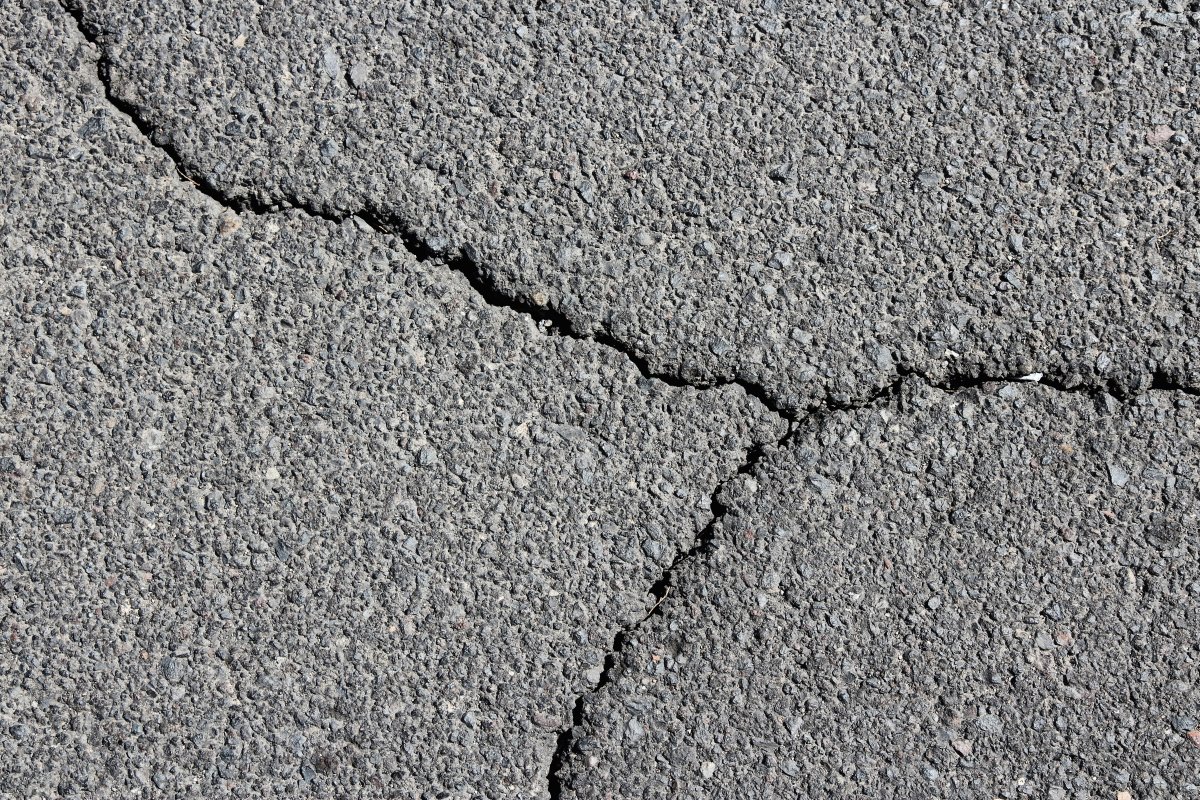
The recent spell of torrential rain has dramatically worsened the condition of Spain’s already fragile road network. Antonio Villaverde, president of the independent freight association, warns that the problem goes far beyond ordinary potholes. Sinkholes appearing on highways pose a deadly threat, potentially causing major traffic accidents at any moment. Industry organizations are jointly pressuring the Ministry of Transport for immediate action to avoid a repeat of the railway tragedy that resulted in 47 deaths.
The Dual Cost for the Transport Industry
Carmelo González, president of the Spanish Confederation of Freight Transport (CETM), paints a grim picture: “The roads are in a terrible state. The A-4 near Despeñaperros, for example, is just impassable.” He points out the extreme danger this poses to articulated lorries weighing up to 40 tonnes, where a slight evasive maneuver could lead to a loss of vehicle stability. Beyond safety risks, the economic losses are also mounting: increased vehicle breakdowns, accelerated wear on mechanical parts, higher fuel consumption, and longer transport times are dragging down the entire supply chain’s efficiency. González questions why the government, which collects at least €21 billion in taxes from the transport sector annually, fails to invest adequately in necessary road resurfacing instead of relying on endless temporary patches.
A Staggering Maintenance Deficit
This crisis is no accident. According to 40 years of monitoring data from the Spanish Road Association (Asociación Española de la Carretera), the country’s cumulative road maintenance deficit has reached a staggering €13.491 billion. The latest audit report shows that 52% of the national road network is rated as in “poor” or “very poor” condition, the worst level since the late 1980s. More alarmingly, the deterioration is accelerating: the mileage of roads in poor condition has tripled in just three years (from 2022 to 2025), surging from 13,000 to 34,000 kilometers.
Industry Demands a Complete Overhaul
Both professional drivers and industry experts have expressed strong dissatisfaction with the “patchwork” approach to maintenance. The Civil Guard’s traffic division confirms that the cold asphalt used for temporary repairs quickly comes loose again, and the resulting debris creates new hazards. Association president Jacobo Díaz issues a stark warning: “Road deterioration is growing exponentially. A problem that costs €10 to fix today will cost four times as much tomorrow. If we continue to let it go, we will no longer be facing maintenance costs, but astronomical reconstruction costs.” Federico Soría, president of the infrastructure maintenance companies’ association, also states that if maintenance had been adequate, the road network would not have suffered such a widespread collapse under the impact of the storms.
