Recently, a ‘viral challenge’ phenomenon originating from social media has been spreading across Spain, posing a serious threat to the physical and mental health of minors. These seemingly harmless online trends are escalating into real-world medical emergencies, drawing significant concern from parents, schools, and health authorities.
The Paracetamol Challenge: A Deadly “Race to the Hospital”
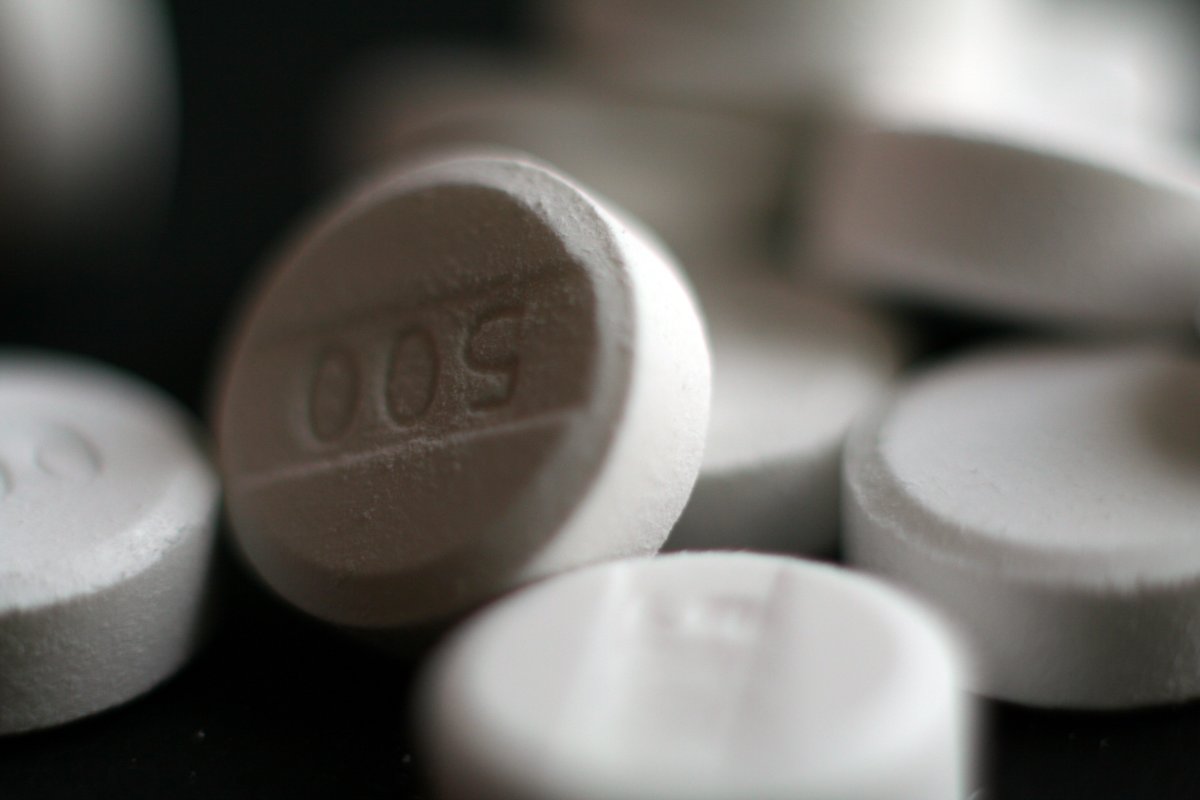
The most alarming recent incident is the ‘Paracetamol Challenge’ (Reto del paracetamol). In recent weeks, Málaga’s Maternal and Children’s Hospital (Hospital Materno Infantil de Málaga) has treated several teenagers under 14 for paracetamol poisoning. These minors have been overdosing on this common over-the-counter painkiller as part of a ‘competition’ to see who could stay hospitalized longer or cause more severe liver damage. Dr. Silvia Oliva, the hospital’s pediatric coordinator, has issued a stern warning that overdosing on paracetamol can lead to irreversible and fatal liver damage, which can be life-threatening in severe cases.
From Drug Abuse to Dangerous Stunts: A Variety of Challenges
Beyond the Paracetamol Challenge, other forms of dangerous imitation have also emerged. As early as July 2025, a minor in the Valencian Community participated in the ‘Strongest Drug Challenge,’ consuming a potent medication used to treat nervous system disorders, which caused them to lose consciousness and be admitted to the intensive care unit (ICU). Furthermore, the Spanish Society of Pediatric Emergencies (Sociedad Española de Urgencias de Pediatría) had also issued a warning about the ‘Superman Challenge’ popular on TikTok. This challenge requires participants to mimic flying like Superman while being thrown into the air by others, a practice that can easily lead to falls, fractures, or even fatal head impacts.
Public Health Disrupted: Harmful Trends Spread to Public Spaces
The impact of these dangerous challenges has even extended beyond the individual to the realm of public health. In the summer of 2025, municipal swimming pools in several regions of Spain were forced to close temporarily due to a ‘pool defecation challenge.’ This malicious act not only resulted in high cleaning and disinfection costs but also posed a significant risk of transmitting diseases such as Salmonella, Hepatitis A, and rotavirus.
In response to this series of disturbing incidents, social media platforms have begun taking measures, such as displaying safety warnings when users search for related challenges. However, experts stress that technological interventions cannot completely eliminate such behaviors. They are calling on society as a whole, especially parents and educators, to remain vigilant, strengthen the education and guidance of young people, and clearly inform them of the fatal dangers hidden behind these so-called ‘games’.
