Frequent Delays During Initial Reopening
After being suspended for weeks due to a serious railway incident in the Adamuz area on January 18, the main line connecting Madrid with Andalusia resumed service on February 17. However, during the first two days of operation, trains experienced widespread delays, with some services delayed by as much as an hour and a half. Spain’s rail infrastructure manager, Adif, attributed this to temporary speed restrictions implemented near the incident site, such as a 60 km/h limit in the Adamuz area. Minister of Transport, Óscar Puente, had stated a plan to restore the section to its normal operating speed of 250 km/h on February 19. Despite this, some services on the second day of resumed operation still faced delays approaching or exceeding 70 minutes, such as the first AVE high-speed train from Granada to Madrid, which was delayed by 72 minutes.
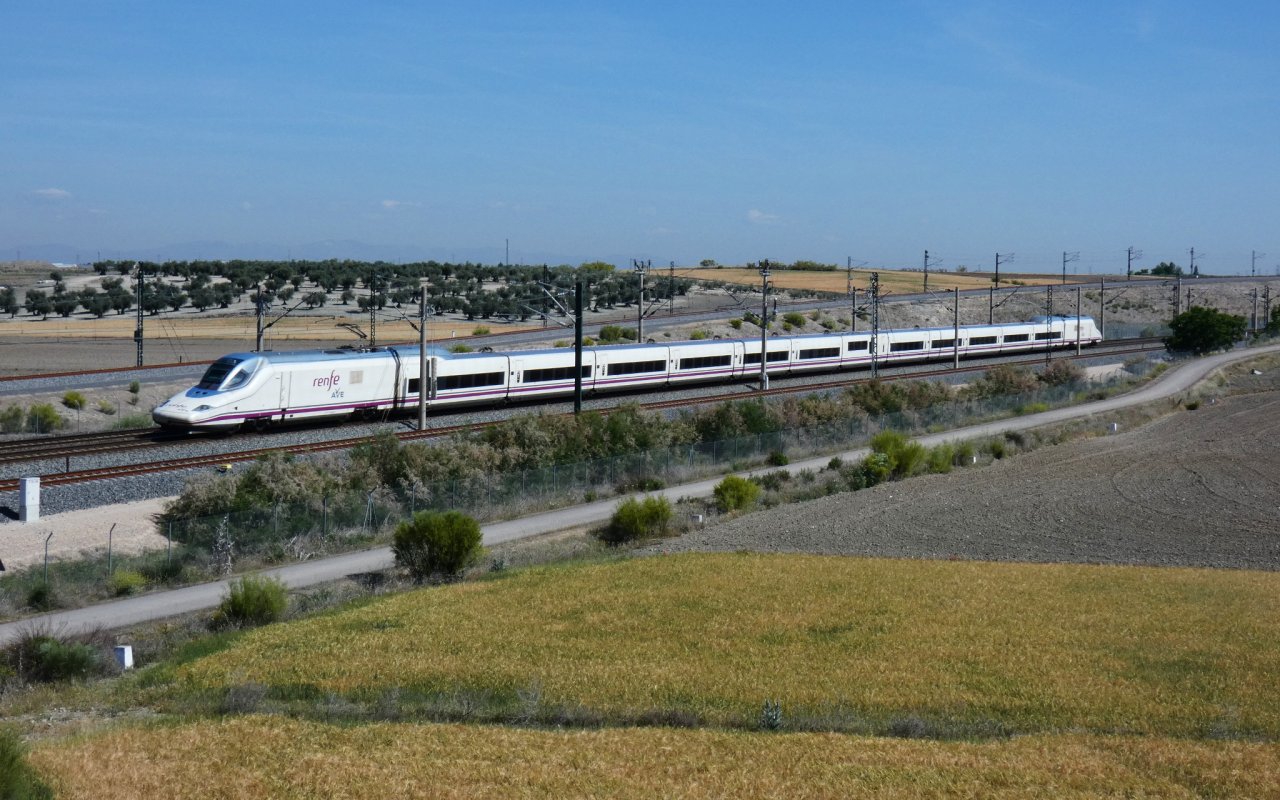
Madrid-Málaga Line Obstructed
Although the lines from Madrid to Seville, Cádiz, and Granada have resumed operation amidst delays, the Madrid to Málaga route faces additional challenges. Due to a separate landslide incident near Álora, which buried the tracks under earth and rock, full repair work on this line has been hampered. It is estimated that the line will not be fully operational until at least early March. As a result, train operators Iryo and Ouigo have both suspended their services on this route.
Renfe Provides Bus Transfer Solution
To maintain the connection between Madrid and Málaga, Spain’s national railway company, Renfe, has chosen to continue operating the route using a “train + bus” transfer solution. Passengers must transfer to a bus at the Antequera station to complete the rest of the journey to Málaga. This change extends the original journey time of approximately 2 hours and 45 minutes to about 4 hours and 15 minutes. Additionally, Renfe has specified that services for carrying bicycles, pets, or unaccompanied minors will be suspended on this transfer section.
