Is anyone in the forum passionate about international relations and a career in diplomacy? Whenever I see those poised diplomats in Spanish news, I always wonder where they graduated from. Today, let’s talk about a very special place, often called the cradle of Spanish diplomats—the Diplomatic School of Spain.
First, let’s be clear: this isn’t a university in the traditional sense. It’s an official training institution directly under the Spanish Ministry of Foreign Affairs, European Union and Cooperation. Its primary goal is to train future Spanish diplomats and civil servants for international organizations. Therefore, its admission standards are exceptionally high, making it a very different path from typical diplomatic studies in Spanish universities. Those who get in are the cream of the crop, and it’s no exaggeration to call it one of the most difficult institutions to enter in Spain.
Core Program and Selection Process
The school’s core program is the “Master in Diplomacy and International Relations.” To enroll, candidates must first pass the civil service examination for the Spanish Diplomatic Corps. This exam is incredibly difficult, a truly competitive process where only a select few succeed. The entire process is complex and can be broadly divided into the following stages:
| Examination Stage | Key Focus |
|---|
| General Knowledge Written Exam | Covers law, international relations, EU affairs, economics, history, and general culture |
| Language Proficiency Tests | Mandatory English and French, involving high-level written translation, interpretation, and commentary |
| Public Oral Presentation | A one-hour presentation and Q&A on a randomly selected topic in front of a panel |
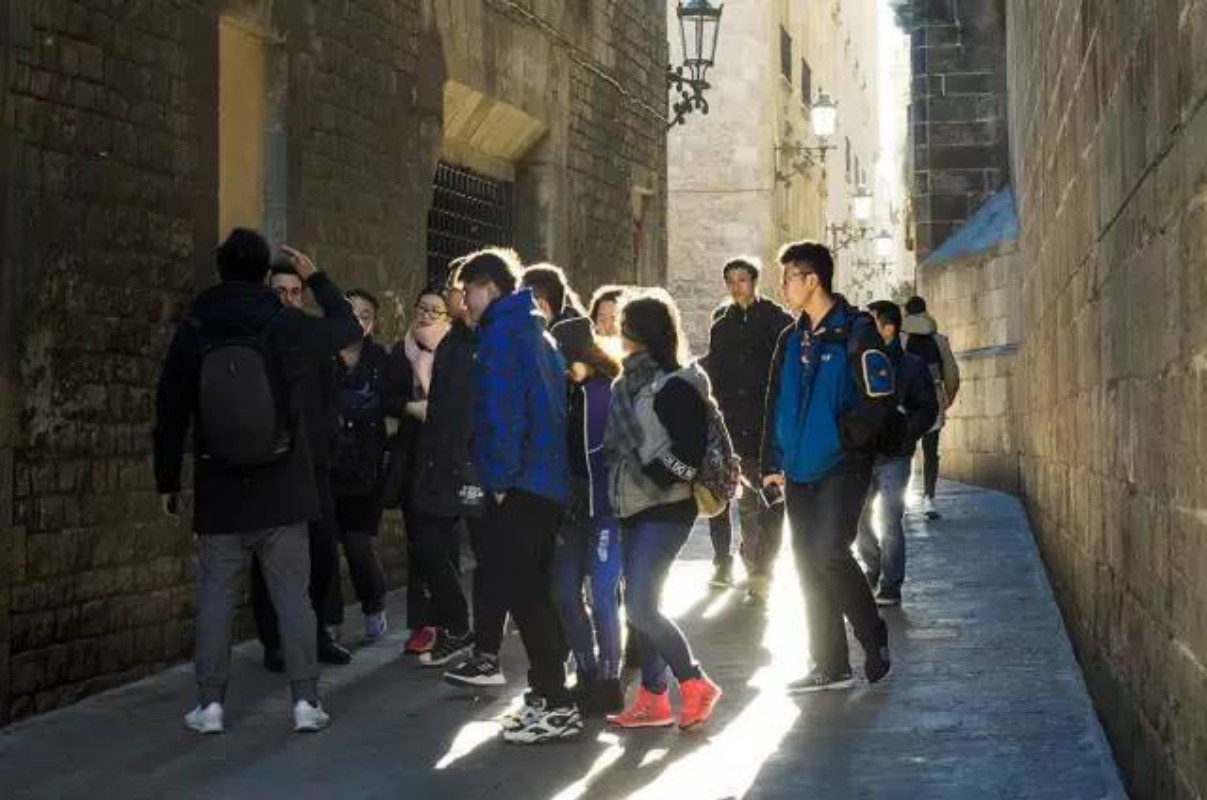
Once you pass this grueling exam, congratulations, you automatically gain admission to the Diplomatic School to study for this master’s degree. The learning experience here is completely different from a regular university. Many of the instructors are current or former ambassadors, high-ranking government officials, and veteran diplomats, making the curriculum extremely practical and relevant. The picture above shows the Viana Palace, where the school is located. Doesn’t it look historic and dignified?
To get into this school, it’s not for the average person; you need not only top-tier academic abilities but also exceptional language skills, strong mental fortitude, and a deep understanding of international affairs. Although the barrier to entry is high, the rewards are immense, as graduates directly enter the diplomatic service upon completion. What are your thoughts on this elite path? If anyone has more insider knowledge, feel free to join the discussion!
