The Catalan<think>Finalizing the Response
</think>
regional parliament in Spain officially passed a bill on February 25, deciding to double Barcelona’s tourist accommodation tax starting this April. This policy elevates the city’s tourist tax to the highest tier in Europe, aiming to use economic leverage to control the massive scale of tourists and raise funds for local affordable housing projects.
Comprehensive Upgrade of Accommodation Taxes
Under the newly approved bill, Barcelona’s current tourist tax standard of 5 to 7.5 euros will be significantly increased. Starting in April, the specific levy will be linked to the hotel’s star rating. For four-star hotels, which account for nearly half of the city’s total hotels, guests will be required to pay up to 11.4 euros per person per night; tourists staying in five-star hotels will face a maximum tax of 15 euros per night. For short-term travelers arriving in Barcelona by cruise ship, the tax rate will remain unchanged at the current approximately 6 euros.
Coping with the Impact of Over Ten Million Annual Tourists
As a premier global tourist destination, Barcelona receives a total of approximately 15.8 million visitors annually. While such a massive flow of visitors has driven the local economy, it has also triggered serious negative social effects. Locals point out that to cater to tourist demands, the short-term vacation rental market has become exceptionally hot, not only squeezing the living space of permanent residents but also directly driving up overall real estate and rental market prices.
Return of Funds and Long-Term Housing Guarantee
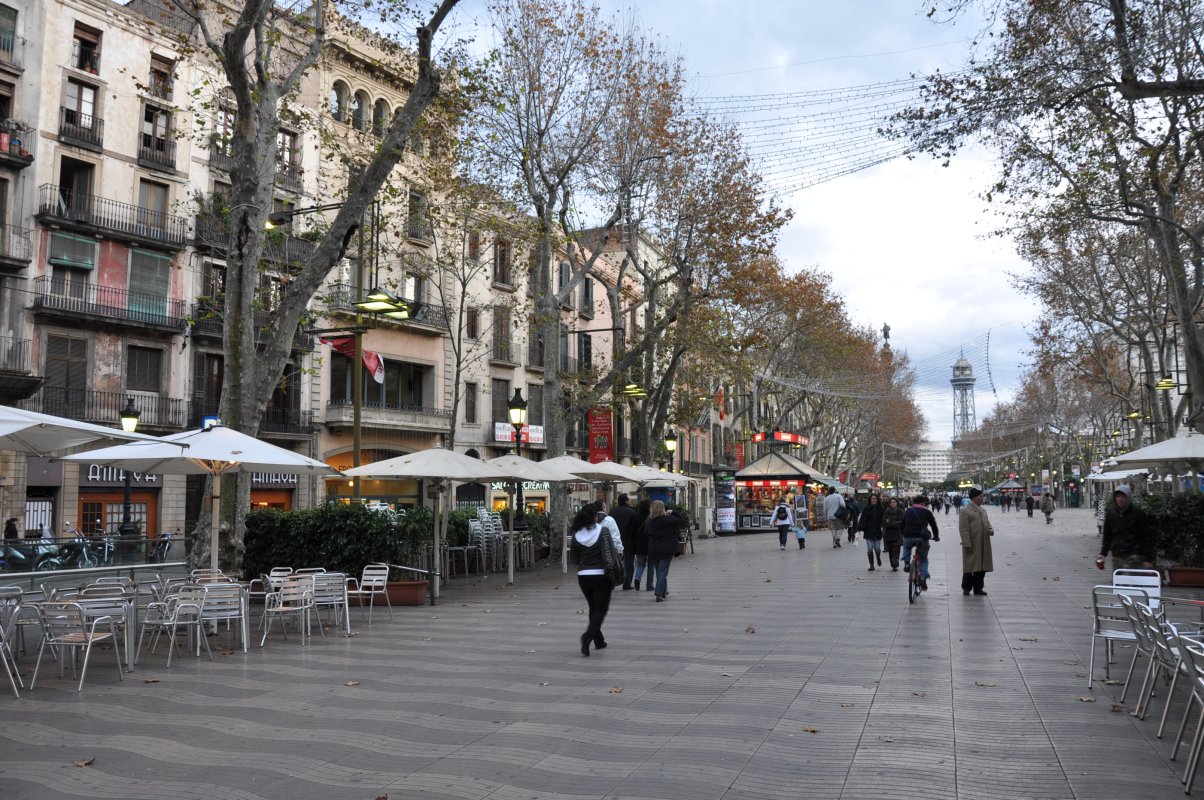
Faced with growing public backlash, Barcelona’s municipal authorities are taking substantive action. The new bill explicitly stipulates that one-quarter of the collected tourist tax will be strictly allocated and dedicated to alleviating the city’s housing crisis. Furthermore, the local government had previously announced a more long-term plan—aiming to completely ban short-term rental accommodations in the city by 2028, thereby fundamentally safeguarding the housing rights of local residents.
Hotel Industry Holds a Wait-and-See Attitude Towards Market Prospects
Although the government’s original intention in introducing this policy is to balance the tourism industry with citizens’ lives, Barcelona’s hoteliers have expressed concerns. Some hotel owners believe that a substantial tax increase could generate unforeseeable chain reactions. They worry that high additional costs will weaken Barcelona’s price competitiveness in the international tourism market, thereby creating a deterrent effect on potential tourists.
