Recently, drastic weather changes and a series of rainy days in Madrid, Spain, have provided a hotbed for plant growth, leading to a sharp rise in pollen concentration in the region. This climate phenomenon has caused many citizens to suffer from pollen allergies earlier than expected. Experts warn that the peak of spring allergies has not yet fully arrived.
Climate and Environmental Pollution Exacerbate Urban Allergy Crises
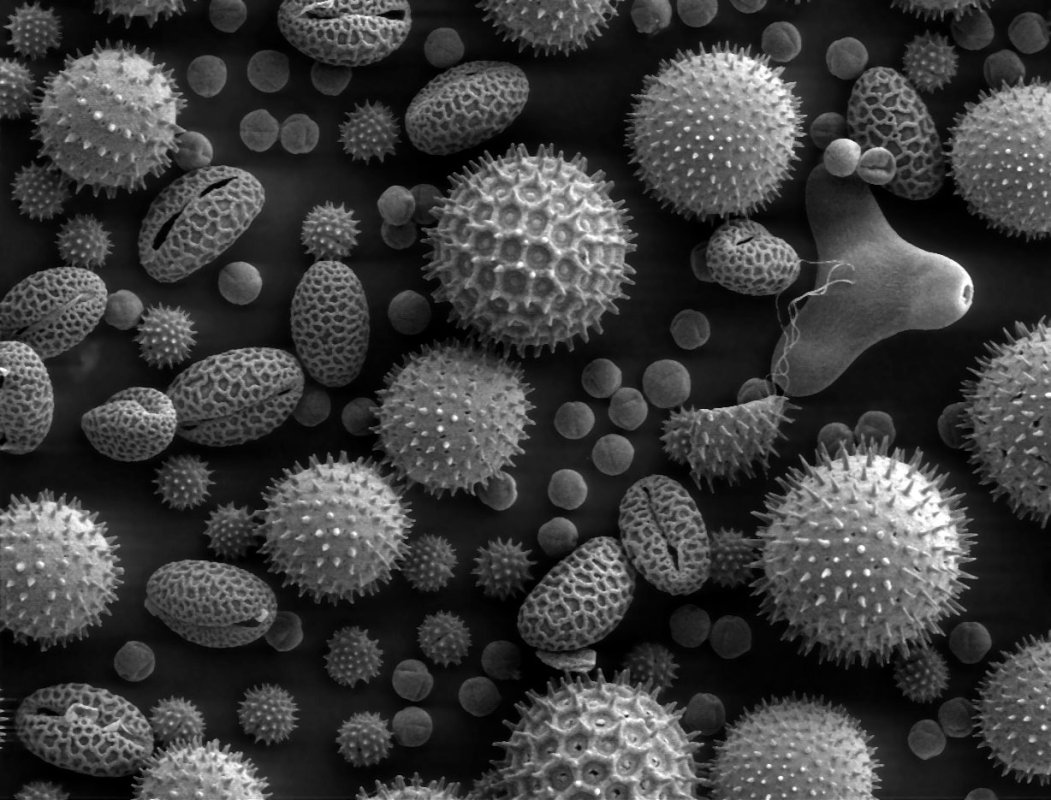
A pollen allergy is an overreaction of the human immune system to tiny particles released by plants when they bloom. Although hay fever is usually associated with sunny spring weather, this year’s pollen season has arrived early due to climate fluctuations. Data from the World Health Organization (WHO) indicates that about 20% to 30% of the global population suffers from allergies, and the prevalence is on the rise due to factors such as environmental pollution and chemical exposure. Experts specifically point out that air pollution in urban environments significantly enhances the allergenicity of pollen, making allergy symptoms in metropolitan areas like Madrid more severe than in surrounding rural areas.
Common Clinical Symptoms and Scientific Diagnostic Methods
According to clinical observations from the Clinica Universidad de Navarra, the symptoms of spring pollen allergies vary greatly, ranging from mild discomfort to severe respiratory issues. The most typical manifestation is allergic rhinitis, where patients often experience a runny nose, nasal congestion, intense itching, and continuous sneezing. Additionally, allergic conjunctivitis can cause tearing, red and swollen eyes, and photophobia. In severe cases, the allergic reaction may spread downward to the bronchi, triggering asthma, a dry cough, and difficulty breathing.
In terms of diagnosis, doctors usually first make a preliminary assessment based on the patient’s seasonal medical history. If it is necessary to pinpoint the exact allergen, medical institutions will further use skin prick tests or specific blood antibody tests to identify the specific type of allergy-inducing pollen.
Authoritative Institutions Release Daily Prevention and Relief Guidelines
In response to the upcoming allergy peak, the Hospital Clinic de Barcelona emphasizes that establishing a physical barrier is key to prevention. Experts recommend that citizens wear sunglasses to protect their conjunctiva during outdoor activities and use face masks to reduce the inhalation of particulate matter. In daily life, doors and windows should be kept tightly closed during high pollen periods, drying clothes outdoors should be avoided, and indoor cleaning should be enhanced. When driving, it is equally necessary to keep the car windows closed.
To better manage symptoms, it is recommended that citizens use mobile applications to monitor pollen and pollution indices in their area in real time, plan their trips reasonably, and try to move outdoor exercises indoors. Meanwhile, patients should carry anti-allergy medications prescribed by specialists so they can intervene promptly when symptoms first appear, ensuring their quality of life during spring.
