Deep in the meadows of Spain’s Extremadura region lies Europe’s finest rose quartz deposit. After years of halted operations, this mine, which once served as a local economic pillar, has recently received official approval to transform into a cultural tourism attraction combining geological education and sightseeing.
An Unexpected Pink Treasure
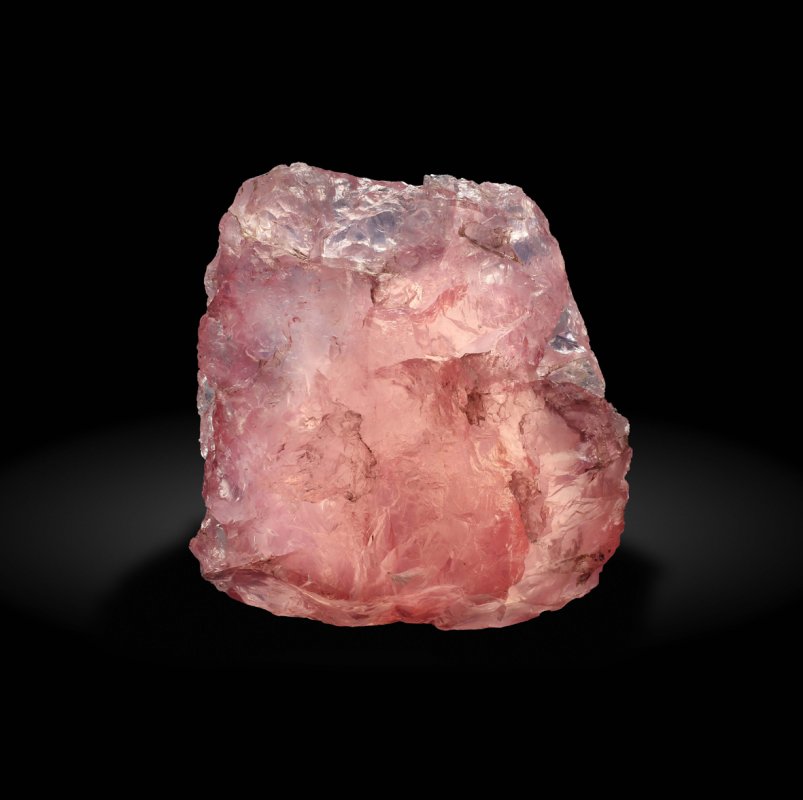
This rare mineral vein is located in the small town of Oliva de Plasencia in the province of Caceres, buried directly beneath a street fittingly named “Quartz Rosa”. In 1967, while prospecting for uranium, geologist Jesus Balmaseda Guerrero unexpectedly uncovered this highly concentrated layer of rose quartz. The quartz here is renowned for its rich and pure pink hue, uniform texture, and unique natural fissure structure. Across Europe, its gemological value is virtually unparalleled, with a quality that rivals the premium ores from the world’s two major producing regions: Brazil and Madagascar.
A Decade of Mining and Ecological Concessions
Starting in 1986, the mine entered a ten-year formal extraction phase. Before its closure in 1996, it was a crucial economic driver for the Caceres region, putting the town of Oliva de Plasencia on the map in the mining world. However, because the site is situated in the heart of Extremadura’s iconic “Dehesa” ecosystem, operations were permanently halted in 1996 to prevent industrial development from damaging the local natural environment. Local authorities have also made it explicitly clear that there are no plans to resume mining in the future.
Transforming into a New Cultural and Tourism Landmark
Faced with these precious sealed underground resources, the local government opted for a path of sustainable development. The plan to convert the deposit into a tourist attraction has now received official approval. The abandoned mine will be transformed into a cultural complex featuring dedicated exhibition spaces. This project will not only educate the public on the unique geological formation and artistic processing value of rose quartz but also detail its significant role in the historical development of Oliva de Plasencia, breathing new life into this former “underground treasure” as a prominent cultural and tourism destination.
