On February 27, the Spanish Ministry of Inclusion, Social Security and Migration held a press conference in Madrid to officially announce the inclusion of 11 newly added disabling diseases into the current early retirement system. This measure allows workers with a disability degree of 45% or more to advance their retirement age to 56, guaranteeing that the pension amount will not be reduced.
Policy Background and Core Adjustments
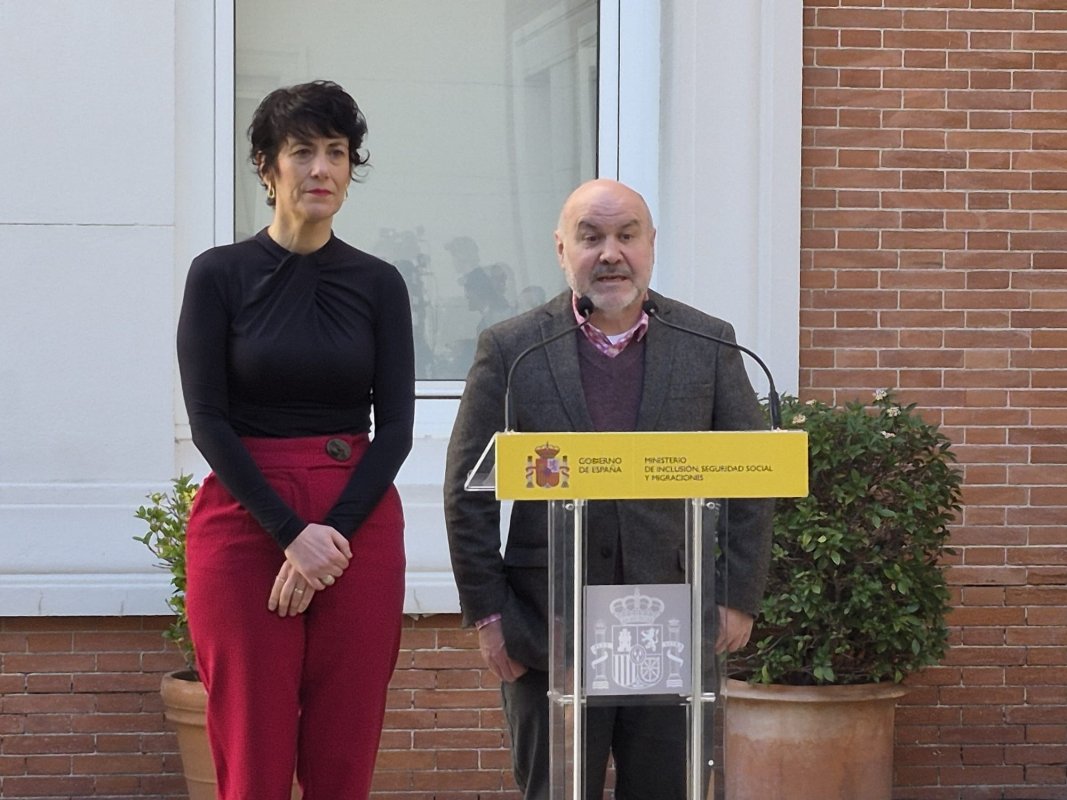
Spanish Minister of Inclusion, Social Security and Migration, Elma Saiz, elaborated on the policy details during the press conference. Witnessed by Luis Cayo Perez, President of the Spanish Committee of Representatives of Persons with Disabilities, she emphasized the significance of this move in safeguarding the rights of vulnerable workers. The new regulation will take effect immediately upon its official publication in the State Official Gazette, providing a more humane and practical social security scheme for employees suffering from specific severe diseases.
List of 11 Newly Added Disabling Diseases
According to the briefing from the Ministry of Social Security, the expanded list of diseases covers various neurodegenerative and severe chronic conditions, specifically including: spina bifida, transthyretin amyloidosis (variant form), Parkinson’s disease, myotonic dystrophy type 1, Huntington’s disease, stage 5 chronic kidney disease, systemic sclerosis, spinal cord injury, corticobasal degeneration, multiple system atrophy, and progressive supranuclear palsy. The inclusion of these diseases reflects the reassessment by the medical community and policymakers of the working capacity of patients with severe chronic diseases.
Specific Social Security Requirements for Early Retirement
Although the new policy allows the aforementioned patients to enter the retirement phase early at the age of 56, applicants must meet strict social security conditions. First, at the time of the disabling event, the worker must be actively employed or in an equivalent state. Second, the applicant must have accumulated at least 15 years of contributions to the Spanish social security system. More crucially, within this 15-year contribution period, there must be at least a 5-year span medically certified as being affected by the aforementioned diseases, with an assessed disability degree of 45% or higher.
Pension Calculation Rules and Welfare Guarantees
The new regulation clearly states that this type of early retirement mechanism aims to protect the economic security of vulnerable groups, and therefore will not have a negative impact on the final total pension amount. Furthermore, the period by which the worker retires early due to the new policy will be considered as contributed years by the social security system, directly used to calculate the pension base and the final retirement benefit amount available. This system design alleviates the concerns of ill employees regarding a decline in quality of life after exiting the labor market early.
