Energy Market Turmoil: Fuel and Electricity Costs Rise in Tandem
As tensions in the Persian Gulf escalate, international energy markets have reacted swiftly. The European benchmark Brent crude oil price has surged past the $80 mark from $72.48 per barrel late last week, carrying the risk of touching a $100 high. According to the Mediterranean Federation of Gas Stations in Valencia (FedMes), wholesale fuel prices in Spain will see a significant upward adjustment this week, with diesel and gasoline expected to rise by 12 cents and 6 cents per liter, respectively. Furthermore, due to Europe’s high reliance on Persian Gulf liquefied natural gas (LNG), despite Spain’s relatively diversified natural gas import channels, domestic electricity costs still face upward pressure under the global gas price linkage mechanism.
Capital Markets Under Pressure and Massive Disruption in Sea and Air Logistics
Geopolitical risks are directly reflected in capital markets. Affected by the turbulent situation, Spain’s IBEX 35 index has fallen for two consecutive trading days, dropping below the 17,300-point psychological mark. Notably, the highly cyclical banking sector and the aviation industry, dragged down by fuel costs, led the decline.
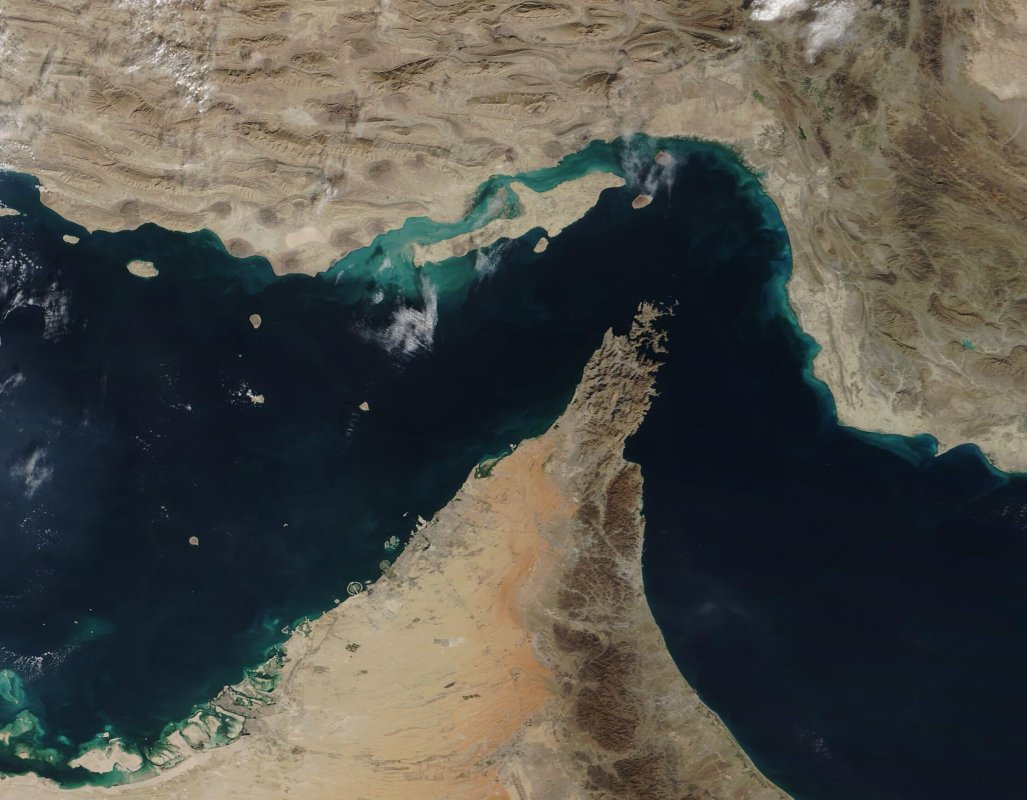
In the international logistics sector, surging security risks in the Strait of Hormuz have prompted shipping giants like Maersk, Mediterranean Shipping Company (MSC), and COSCO to reroute vessels, forcing them to detour around the Cape of Good Hope in Africa. This not only significantly extends shipping cycles but also causes insurance premiums and operating costs to skyrocket. Aviation has suffered similarly; Iberia Express has suspended flights from Madrid to Tel Aviv until March 10, while Air Europa and the Lufthansa Group have also largely grounded flights on high-risk Middle Eastern routes.
Supply Chain Crisis Spreads, Exacerbating Inflationary Pressures
The rise in energy and logistics costs is rapidly passing through to the shopping baskets of Spanish citizens. The Strait of Hormuz is not only an energy chokepoint but also handles approximately 33% of the world’s ammonia and sulfur fertilizer raw materials, as well as 15% of polyethylene used for packaging. Disruptions in the supply of these crucial agricultural inputs will directly push up production and packaging costs for Spanish agriculture. If international oil prices remain stubbornly high, these additional expenses are expected to be passed on to end-consumers of fruits, vegetables, and basic daily necessities in the coming months. This chain reaction threatens to exacerbate Spain’s current inflation rate, which sits slightly above 2%, thereby risking a slowdown or even reversal of the European Central Bank’s (ECB) current interest rate cut policies.
Spanish Government Reiterates Absolute Sovereignty Over Military Bases
On the political front, responding to external speculation about Western military intervention, the Spanish government has made robust clarifications. Prime Minister Pedro Sánchez has publicly called on all parties to de-escalate the conflict through diplomatic channels. Defense Minister Margarita Robles and Foreign Minister José Manuel Albares jointly reiterated that Spain possesses absolute national sovereignty and the final decision-making power over the Rota and Morón air bases within its territory, and will absolutely not allow any external forces to use Spanish military facilities for operations that violate international law.
