Hello everyone living in Spain! Lately, I’ve noticed many friends around me are paying more attention to healthy eating and scientific fitness. Some younger students, currently preparing for their university entrance exams or studying Spanish, have also been asking me what it’s like to study nutrition here. Coincidentally, I’ve done some in-depth research on Spanish universities offering nutrition programs, so today I’m starting this thread to talk about the Nutrición Humana y Dietética (Human Nutrition and Dietetics) program in Spain and offer some guidance for those who are interested.
Many people might think nutrition is just about teaching how to lose weight or how to cook. That’s not the case at all! It’s a very rigorous health science major, part of the ‘Ciencias de la Salud’ (Health Sciences) field. It studies the relationship between food, nutrients, and human health, covering various subjects like biochemistry, physiology, and pathology. After graduation, you don’t just create simple weight-loss meal plans; you’re equipped to provide professional nutritional assessments, interventions, and education for diverse populations. The degree holds significant value!
What Exactly Do You Study in a Spanish Nutrition Program?
The curriculum for this major is very scientific and comprehensive, definitely not just theoretical. The first year usually consists of foundational science courses to build a strong base, after which the subjects become more specialized. For students who want to pursue this major, you must have a good foundation in high school biology and chemistry!
I’ve compiled a general overview of the core course areas to give you a clearer idea:
| Course Area | Key Topics |
|---|
| Basic Sciences | Biology, Biochemistry, Physiology, Anatomy |
| Food Science | Food Chemistry, Food Microbiology, Food Safety and Hygiene |
| Clinical Nutrition | Clinical Pathophysiology, Nutritional Therapy for Various Diseases, Pharmacology |
| Public Health | Epidemiology, Nutrition Education, Community Nutrition |
| Dietary Management | Food Service Management, Menu Design, Culinary Techniques |
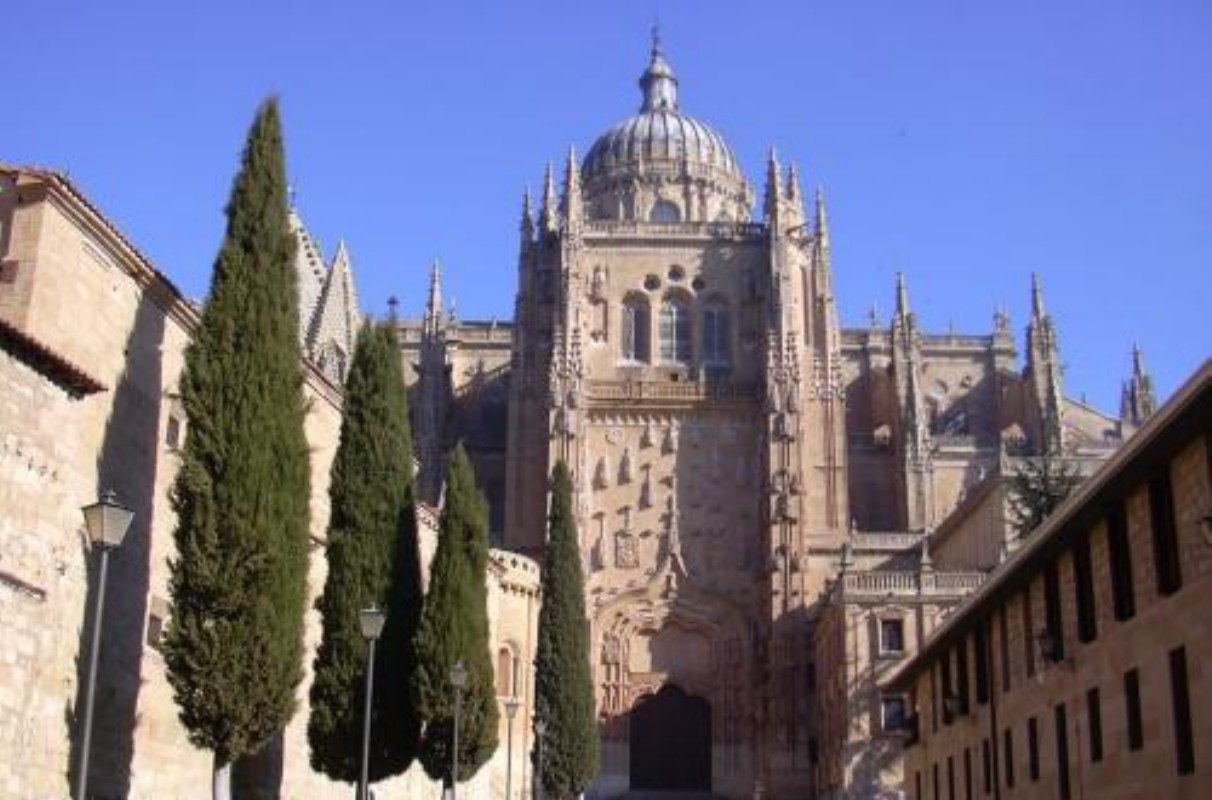
When it comes to choosing a university, many excellent public and private universities in Spain offer this ‘Grado’ (Bachelor’s degree). For example, public universities like the Complutense University of Madrid and the University of Barcelona have strong academic reputations and research capabilities. Among private universities, the University of Navarra is also very famous for its nutrition program, which emphasizes practical experience and internationalization. You can choose based on your academic record and preferred city. Each university has a slightly different focus, so be sure to check the latest curriculum on their official website before applying.
Career paths after graduation are also quite broad. The most common path is to become a clinical dietitian in a hospital or clinic. You can also work in food companies in R&D and quality control, serve as a sports nutrition consultant for gyms or sports teams, join government public health departments to conduct nutritional education, or even open your own private nutrition consulting practice. In short, after completing your studies, you’ll be a professional who can guide people toward a healthier life using scientific knowledge! Far from being just a self-proclaimed ‘health guru’ with generic advice. I hope this information is helpful to you all. If there are any students currently enrolled in this program, please feel free to add your insights and join the discussion!
