Hello to all you future students heading to Spain! I’ve been lurking on the forums for a while and noticed many questions about learning Spanish and choosing a school. I just graduated from the language center at the University of Salamanca, so with my experience still fresh, I thought I’d start a thread to share everything I’ve learned over the past year. I hope it helps you all avoid some common pitfalls.
When I was choosing a city, I struggled for a long time between Madrid, Barcelona, and Salamanca. Big cities offer more opportunities and excitement, but the cost of living is high, and with so many tourists, you end up speaking English more often, which isn’t ideal for language immersion. I ultimately chose Salamanca, and it turned out to be the best decision! It’s known as the “birthplace of the Spanish language,” so the accent is very pure. The city is small, safe, and historic—basically a giant university campus with a great academic atmosphere. Plus, the cost of living is much lower than in Madrid, making it perfect for focusing on your studies.
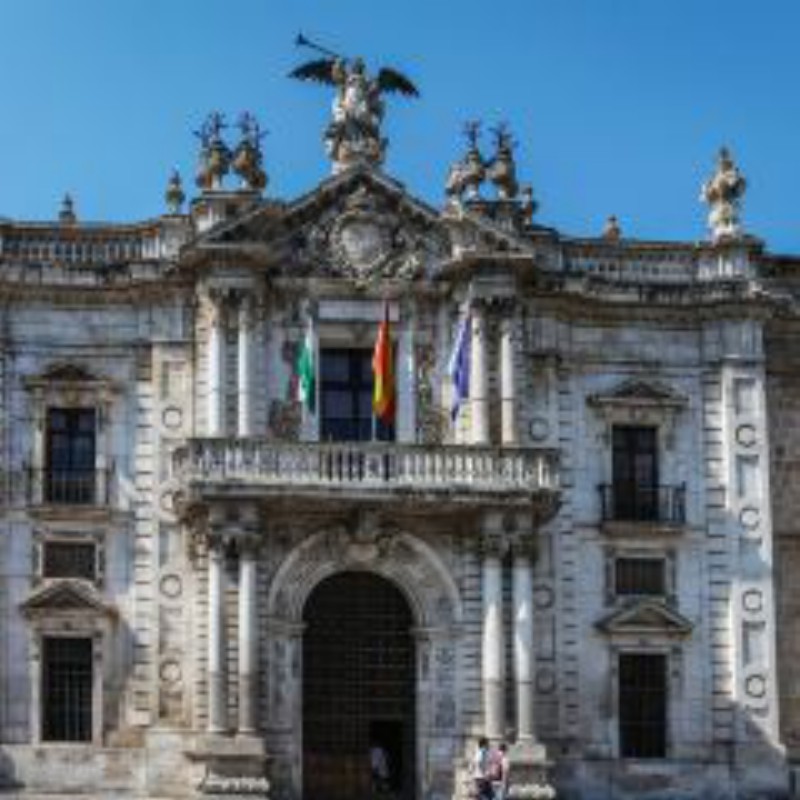
Choosing a City and Language Center
Once you’ve picked a city, the next step is choosing a school. The main options are official university language centers and private language schools. Many people assume private schools aren’t as good, but that’s not necessarily true. Each has its pros and cons, so I’ve made a simple comparison table for you:
| Comparison Point | Official University Language Center | Private Language School |
|---|
| Teaching Quality | Systematic, strong grammar focus, more academic | Flexible curriculum, greater emphasis on spoken/practical use |
| Cost | Relatively higher, charged per semester | Varied pricing, options for every budget |
| Class Size | Can be larger, 15-20 students; you can find another perspective in A Peking University Senior on Learning Spanish. | Usually small, boutique-style classes |
| Extracurricular Activities | Leverages university resources, wide range of activities | Depends on the school’s size and specialty |
| Visa Advantage | Visa approval rate is generally more secure | Requires careful verification of school accreditation |
I personally attended the official language center at the University of Salamanca. The teachers were all very professional and experienced in preparing students for the DELE exam. The only downside is that there’s a lot of homework, , but it truly helps you build a rock-solid foundation in grammar.
As for daily life, rent in Salamanca is so much cheaper than in Madrid. I paid around €300 a month for a shared apartment with all utilities included. If you cook your own meals, a food budget of about €200 a month is plenty. Of course, that’s a different story if you eat out all the time—as is also mentioned in a Harbin senior’s study abroad diary in Spain—eating tapas every day will bankrupt you. Transportation is mostly on foot; the entire city is walkable, which saves a lot on transport fares. The only drawbacks might be that the winters are a bit cold and there aren’t as many entertainment options as in a big city, but for someone like me who came here to study, those things didn’t matter.
Finally, a piece of advice for all of you: once you’re in Spain, be brave and speak up! Don’t be afraid of making mistakes. Spanish people are incredibly patient and enthusiastic when foreigners try to speak their language. Participate in school activities, make local friends, and your spoken Spanish will improve by leaps and bounds. All in all, studying abroad is a priceless experience, and I hope you all achieve your goals! If you have any questions, feel free to leave a comment below, and I’ll do my best to answer~
