I was recently on a video call with friends from back home, and when we talked about Spain, they seemed to think that beyond the sun, beaches, and tapas, it’s a country where everyone goes to university. Walking down the street, it does feel like every young person is either an undergraduate or a master’s student. This got me curious: is the university enrollment rate in Spain really that high?
I decided to look up some data, and the findings were quite surprising. According to statistics from international organizations like the OECD, over 50% of young people in Spain aged 25 to 34 hold a higher education degree! This figure is not only much higher than many would imagine but also surpasses the average of many developed European countries. It’s safe to say that Spain is indeed at the forefront when it comes to “mass-producing” university graduates.
So, why is this the case? I believe there are several reasons. Firstly, Spain has a vast public university system, and compared to the UK or the US, tuition fees are “a bargain”. For EU students, annual undergraduate fees in many regions range from just a few hundred to over a thousand euros, making it affordable for the average family. Secondly, there’s a cultural obsession with having a “título” (degree), with a prevailing belief that finding a good job without a university diploma is difficult. This drives most high school graduates to make attending university their top priority, as reflected in the university enrollment rate rankings in Spain.
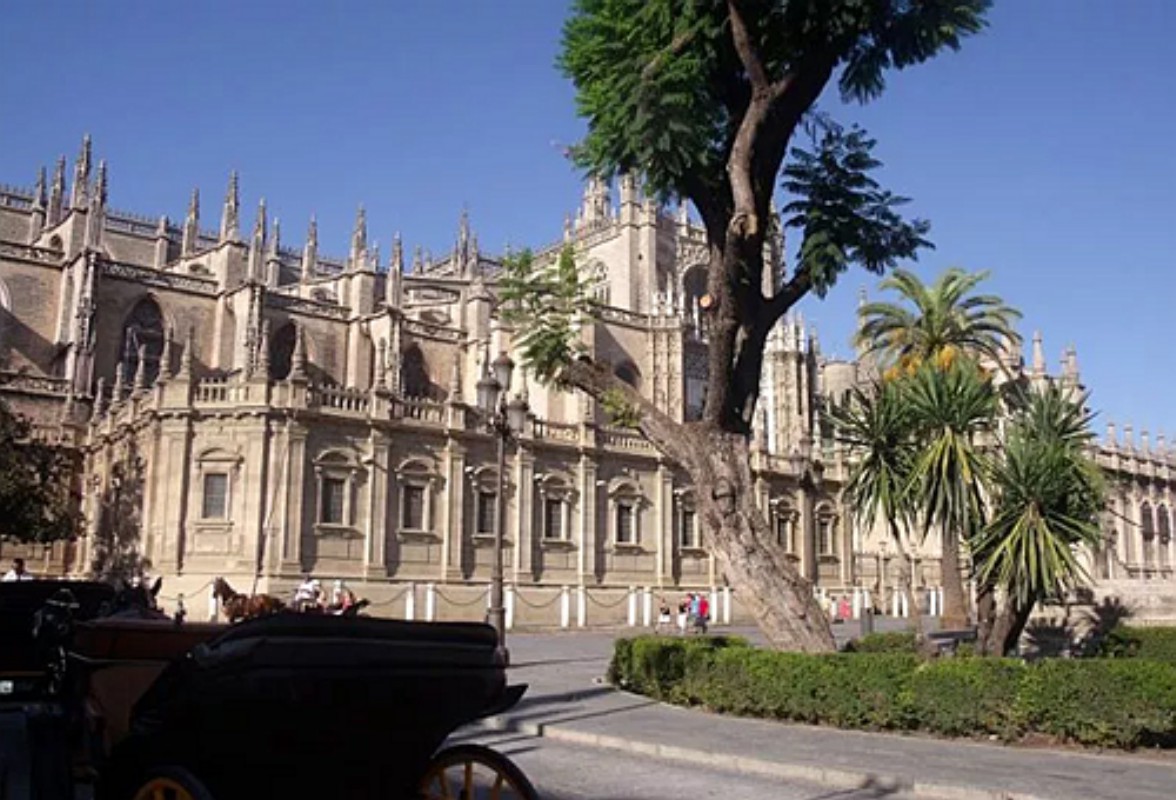
Tuition fees do vary by region. I’ve put together a brief comparison of average public university undergraduate fees for your reference:
Reference for Average Annual Undergraduate Tuition Fees in Public Universities in Some Spanish Autonomous Communities
| Autonomous Community | Average Undergraduate Tuition Fee |
|---|
| Andalusia | Approx. 757 euros |
| Catalonia | Approx. 1,200 - 2,200 euros |
| Madrid | Approx. 1,200 - 1,500 euros |
| Galicia | Approx. 835 euros |
As you can see from the table, southern regions like Andalusia and Galicia are very affordable, while economic hubs like Madrid and Catalonia have correspondingly higher tuition fees.
However, there are concerns behind this high rate of educational attainment. The most immediate problem is that a university degree often leads to unemployment. Youth unemployment in Spain has long been a persistent problem in Europe. Many people work hard to earn their bachelor’s and master’s degrees, only to end up in jobs unrelated to their field of study or earning a “mileurista” salary of around a thousand euros a month. I have friends with architecture degrees working as waiters and journalism graduates running online stores—it’s an all-too-common situation. A degree might get your foot in the door, but the path forward remains challenging. The era when a diploma was everything is long gone.
Spain is indeed a country with a high university enrollment rate and relatively accessible educational resources. But this is a double-edged sword, leading to fierce job competition and the problem of “credential inflation.” For those of you living in Spain, do you feel the same way? Or do you have any thoughts to share about choosing a major or career planning for studying in Spain? Feel free to join the discussion in the comments below!
