I’ve finally sorted out all the paperwork and am getting ready to leave for my visiting scholar position at the Complutense University of Madrid. I’m feeling a mix of excitement and nervousness. Looking back at the application process over the last six months, while it was quite an ordeal, I’ve gained a lot of experience. So, I decided to write it all down to share with others on this forum who have similar plans. I hope it can help you avoid some of the bumps in the road.
Contacting a Supervisor and Obtaining the Invitation Letter
The first and most crucial step is to get an invitation letter from a supervisor you’d like to work with. This isn’t something you can rush; patience is key. I cast a wide net, emailing professors at several universities, including the University of Barcelona and Pompeu Fabra University. Your email must be sincere—do not use a template! Attach your CV and a detailed research proposal that clearly explains why your research interests align with their team’s work.
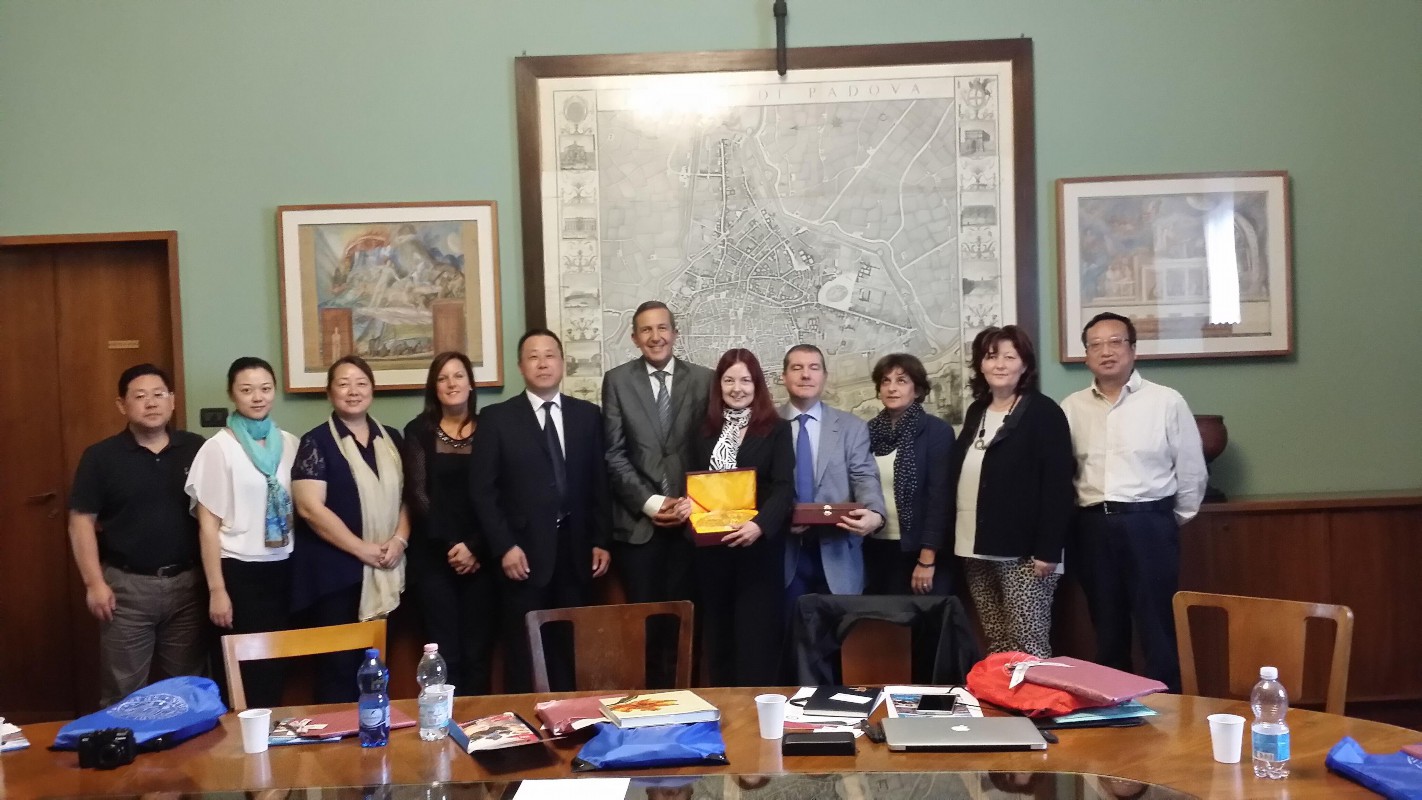
Spanish professors are often slow to reply. It’s normal not to hear back for a week, so don’t be discouraged. You can send a follow-up email after a while. As long as your research background is a good match, you’ll eventually get a positive response. I contacted about seven or eight professors, received three positive replies, and ultimately chose the Complutense University of Madrid.
Preparing Key Application Documents
Once the supervisor agrees to host you, they will likely ask you to contact the department secretary to process the official invitation letter. During this time, you’ll need to prepare a complete set of documents. The requirements may vary slightly from one university to another, but they generally include the following. I’ve put together a table for your reference:
| Document | Important Notes |
|---|
| Curriculum Vitae (CV) | It is highly recommended to use the EU’s standard Europass format to appear more professional. |
| Research Proposal | This demonstrates your academic capabilities, so it should be detailed and well-organized. |
| Official Invitation Letter | Must be issued by the department or the university officially, stating the exact start and end dates of your visit. |
| Proof of Financial Support | If your visit is state-sponsored, you need the official funding certificate (e.g., from the CSC for Chinese scholars). If self-funded, a bank statement is required. Academic exchanges go both ways, such as this Spanish visit to Tongji University. |
| Highest Degree/Diploma | Needs to be translated into Spanish or English and notarized. |
The Visa Application: The Main Event
Once you have the invitation letter, you can start preparing for the visa application. Visiting scholars apply for a long-stay research visa. Document preparation must be meticulous! Besides the standard passport, application form, and photos, the most important items are: the original invitation letter, proof of funding, medical insurance for the entire stay, and—a key document for any academic stay in the country, such as a University of León visit to Spain—the double-certified criminal record certificate! This double certification process is very time-consuming, so be sure to start it well in advance. It first needs to be notarized by a public notary in your home country, then sent to the Foreign Affairs Office and finally to the Spanish Consulate for legalization. The whole process can easily take a month.
Although the entire process is complex, as long as you plan your timeline and take it one step at a time, you’ll be fine. The academic atmosphere and pace of life in Spain are fantastic; it’s a place where you can focus on your research while also enjoying life. I wish everyone a smooth application process and a safe arrival on the Iberian Peninsula soon! If you have any questions, feel free to leave a comment below for discussion. I’ll do my best to reply when I see them.
