Introduction
The Camino de Santiago in northern Spain is a world-renowned cultural heritage site and hiking route, drawing hundreds of thousands of people each year to its destination, the Cathedral of Santiago de Compostela. Behind this journey lies a rich history and diverse stories shaped by everyone from ancient kings to modern technology.
1. Historical Origins: From Royal Beginnings to Diverse Routes
The origin of the Camino de Santiago dates back to the 9th century. Legend has it that in the year 829, a shepherd discovered what was believed to be the tomb of the apostle St. James in the region of Galicia. Upon hearing the news, King Alfonso II of Asturias led his court on foot to verify the discovery. The path he took is now known as the “Camino Primitivo” (Primitive Way), becoming the earliest recorded pilgrimage route.
However, the Camino de Santiago is not a single path. In theory, a pilgrim can start from anywhere. Among them, the most famous, the “Camino Francés” (French Way), was designated a UNESCO World Heritage site in 1993. The first documented long-distance pilgrim was Gotescalco, the bishop of Le Puy, France, who set out from the Aquitaine region in 950, beginning a long history of European nobility and commoners following in his footsteps.
2. Symbols on the Way: Faith, Tradition, and Cultural Icons
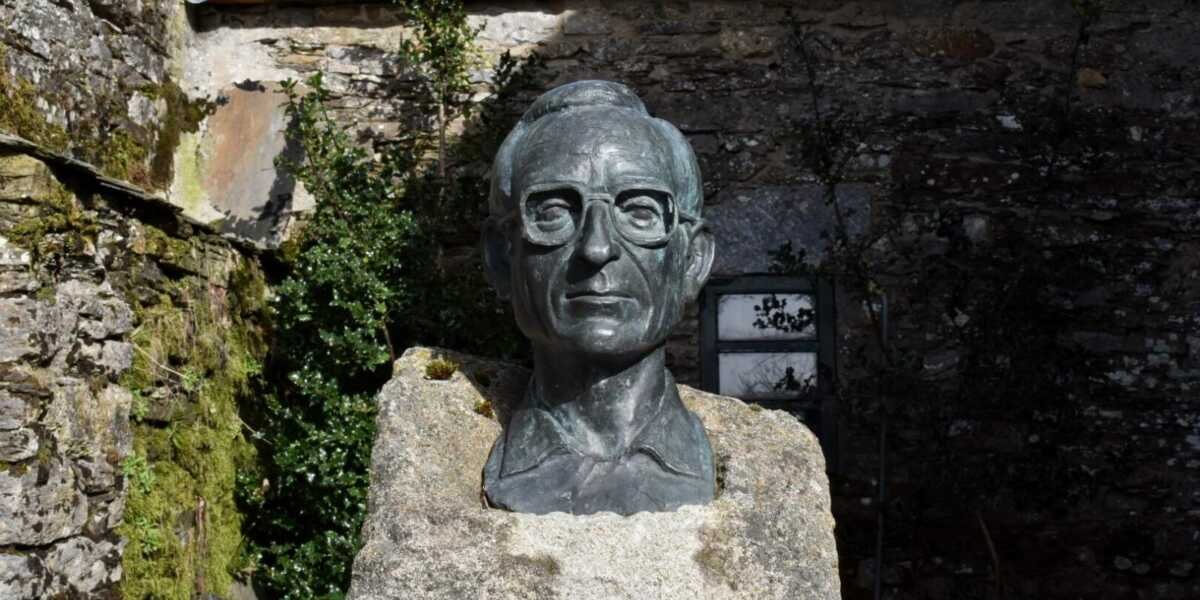
While walking the Camino, a series of unique symbols and traditions form its core culture. The yellow arrow is the most prominent modern symbol guiding pilgrims. It originated in the 1980s, established and promoted by Father Elías Valiña from O Cebreira in Galicia and Andrés Muñoz from Navarre. Today, these markings are maintained by various “Friends of the Camino” associations.
The core faith of the route stems from the relics of St. James. To protect the tomb from attacks, the archbishop of Santiago reportedly hid the reliquary in 1558. The relics were only rediscovered during renovations of the Cathedral in 1878 and were authenticated by the Pope in 1884, solidifying their central role in the pilgrimage.
Cultural customs along the way are equally rich. In the town of Ayegui, Navarre, Bodegas Irache features a famous “Wine Fountain,” continuing the medieval tradition of never denying pilgrims bread and wine. And on the River Órbigo in the province of León, the “Puente del Paso Honroso” (Bridge of the Honourable Pass) witnessed the 15th-century history of the knight Suero de Quiñones who defended his honor in a legendary jousting tournament, adding a layer of chivalric romance to the Camino.
3. Modern Transformation: Technology, Commerce, and Community Revival
Entering the 21st century, the ancient Camino is undergoing a profound modern transformation. The proliferation of the internet has changed traditional travel methods. Pilgrims now commonly book accommodations in advance via platforms like Booking.com or by email, and luggage transport services have become increasingly sophisticated. This contrasts sharply with the past model of spontaneously finding lodging at inns and sharing information along the way.
Commercialization has also brought new vitality to communities along the route. For instance, in the town of Sarria (Lugo), the number of privately-run hostels and guesthouses now far exceeds the traditional public “albergues” (pilgrim hostels). Some villages that were once on the brink of abandonment, such as Foncebadón near León, have been revitalized by the arrival of pilgrims. Restaurants, inns, and a supermarket were built upon the ruins of the 1990s.
Upon completing the pilgrimage, pilgrims can apply for the “Compostela” certificate at the Pilgrim’s Reception Office in Santiago. To receive this certificate, specific conditions must be met: undertaking the journey for religious or spiritual reasons and completing at least the last 100 kilometers on foot or horseback, or the last 200 kilometers by bicycle. This tradition continues to this day.
