Specifics of the 2026 Daylight Saving Time Change
According to the Spanish government’s directive on seasonal time changes through 2026, the first clock adjustment of the year is set for the last weekend of March. The change will officially take place in the early hours of Sunday, March 29, when the time on the Spanish peninsula will spring forward from 2:00 AM to 3:00 AM.
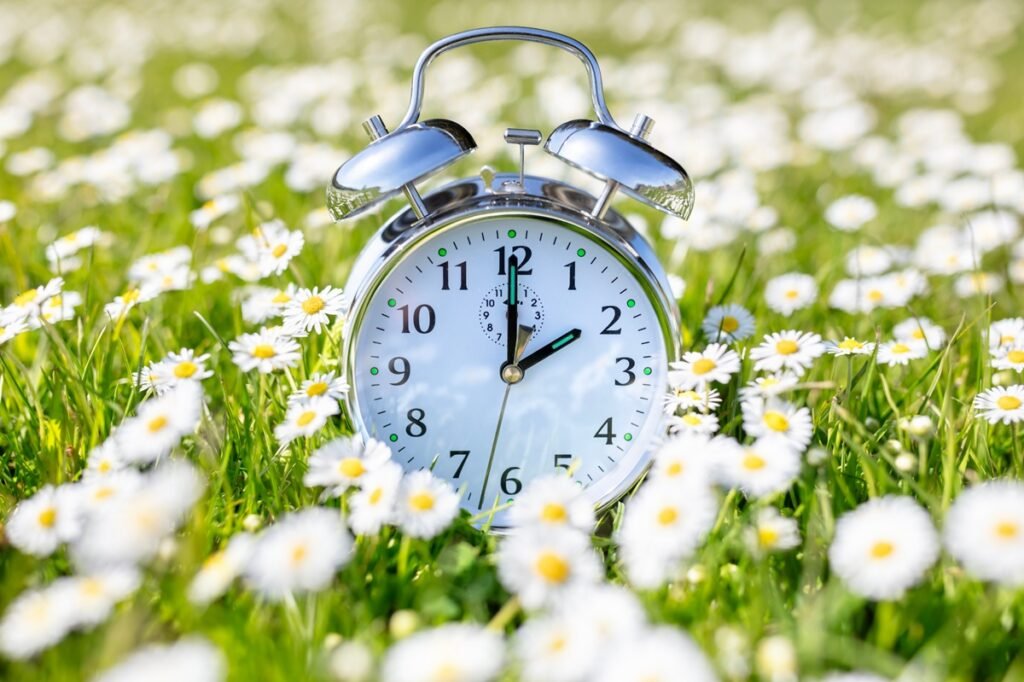
For the Canary Islands, which are in a different time zone, the change will occur simultaneously, with their local time jumping from 1:00 AM to 2:00 AM. This adjustment means that March 29 will officially be a 23-hour day, and residents will lose one hour of sleep.
Purpose and Impact on Daily Life
The primary goal of Daylight Saving Time (DST) is to make better use of natural daylight, especially during the spring and summer months when days are longer. By moving the clocks forward, people’s daily schedules are better aligned with daylight hours. This allows for more sunlight in the evenings, which helps reduce energy consumption for lighting in homes and businesses.
Starting March 29, residents will notice an immediate change: sunrise will occur about an hour later in the morning, and sunset will be correspondingly later in the evening. This means more daylight will be available in the late afternoon and evening for outdoor activities or work.
Guide to Adjusting Device Clocks
In today’s digital age, most internet-connected devices require no manual intervention. Smartphones, computers, smartwatches, and most modern smart TVs will automatically synchronize their time via the Network Time Protocol (NTP), ensuring they display the correct time.
However, non-smart or offline devices will need to be adjusted manually. This includes traditional analog clocks, clocks in some older vehicles, displays on home appliances like microwaves or ovens, and other electronic devices without an auto-sync function. It is recommended that residents check and manually set these devices forward by one hour on Sunday morning to avoid any disruption to their daily schedule.
Annual Time Changes and Future Outlook
The March adjustment is the first of two time changes in 2026. This “lost” hour will be “regained” on the last weekend of October of the same year. At that time, Spain will end Daylight Saving Time and turn the clocks back one hour, returning to standard time (i.e., winter time).
Although the debate over whether to permanently adopt summer or winter time and abolish seasonal clock changes has been ongoing for years in Spain and across the European Union, a final consensus has not yet been reached. Therefore, at least for the foreseeable future, adjusting the clocks twice a year will remain a regular part of life for residents in Spain.
