When I first came to Spain, I often heard about Barcelona’s prestigious universities. Besides well-established institutions like UAB and UB, one name came up frequently: Pompeu Fabra University, or UPF. Many of you might not be familiar with it, so today, let’s take a deep dive into this “young powerhouse.”.
Established in 1990, UPF is one of Spain’s youngest public universities, yet its academic rankings consistently place it at the forefront in Spain and across Europe, showing astonishingly rapid growth. It’s not a university with a sprawling campus but rather an “urban university” deeply integrated into the fabric of Barcelona. Its three campuses are located in different areas of the city center, all with incredibly convenient transportation links.
Campus Environment and Program Distribution
One of the most enviable aspects of UPF is its location. The main Ciutadella campus is right next to Ciutadella Park, within walking distance of both the beach and the Gothic Quarter. Imagine taking a stroll in the park between classes or heading to the beach to enjoy the sea breeze after school—what an idyllic student life!
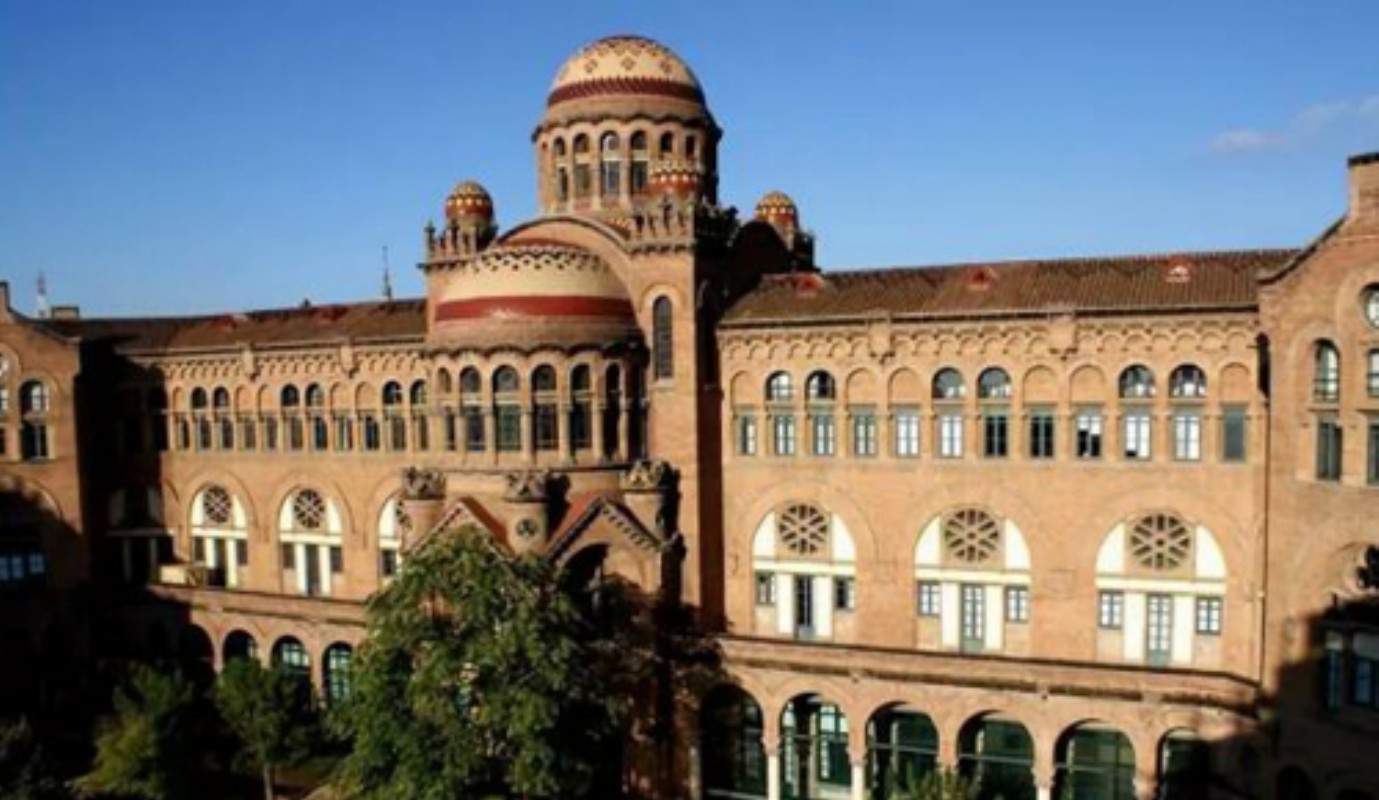
Another campus, Poblenou, is home to the Department of Information and Communication Technologies. Located in a former industrial area, it’s now Barcelona’s innovation district, buzzing with a high-tech atmosphere. The Mar campus, primarily focused on Health and Life Sciences, is situated right next to the Hospital del Mar. Each campus has a distinct character that is closely tied to its academic specializations.
Top Programs and Academic Excellence
When it comes to majors, UPF’s social sciences and business management programs are its crown jewels. Economics, Business, Political Science, Law, and Communication are all internationally renowned. If you’re considering these fields, perhaps after attending a Spanish university open day, UPF should definitely be at the top of your list. Here’s a brief overview of some of its key academic areas:
| Field of Study | Characteristics | International Ranking (Reference) |
|---|
| Economics & Business | Ranked #1 in Spain, top-tier in Europe | QS World University Rankings by Subject Top 50 |
| Politics & International Studies | Strong research capabilities, excellent faculty | QS World University Rankings by Subject Top 100 |
| Communication & Media Studies | Strong integration of theory and practice | QS World University Rankings by Subject Top 100 |
| Law | Focus on International and Comparative Law | Well-known in Europe |
Application and Language
Due to its high rankings, competition for admission to UPF is quite fierce, especially for its top master’s programs, which have stringent requirements for undergraduate background and GPA. In terms of language, as UPF is in Catalonia, the official languages, as you might see in the latest Spanish university rankings, are Catalan and Spanish. However, don’t worry too much; many master’s programs, particularly those aimed at international students, offer options taught entirely in English or in a bilingual English-Spanish format. Just be sure to check the specific language requirements for your course when applying.
UPF is a vibrant, academically rigorous university with an exceptional location. Its potential drawbacks might be its youth, meaning its alumni network and historical legacy are less extensive than those of older universities, and the high difficulty of admission. Are there any current students or alumni from UPF here in the forum? Feel free to share your real experiences!
