The Spanish Society of Allergology and Clinical Immunology (Seaic) has recently issued a warning, indicating that the 2026 spring allergy season will be exceptionally severe, with a ‘pollen storm’ brewing. Although recent rainfall has temporarily cleared the air, the abundant water has also significantly stimulated plant growth, setting the stage for massive pollen production.
High-Risk Areas and Pollen Forecast
According to the society’s experts, grass pollen counts in central and southern Spain will reach extremely high levels in spring 2026. The following areas are classified as the highest risk:
- Community of Madrid (Madrid)
- Toledo
- Seville (Sevilla)
- Extremadura
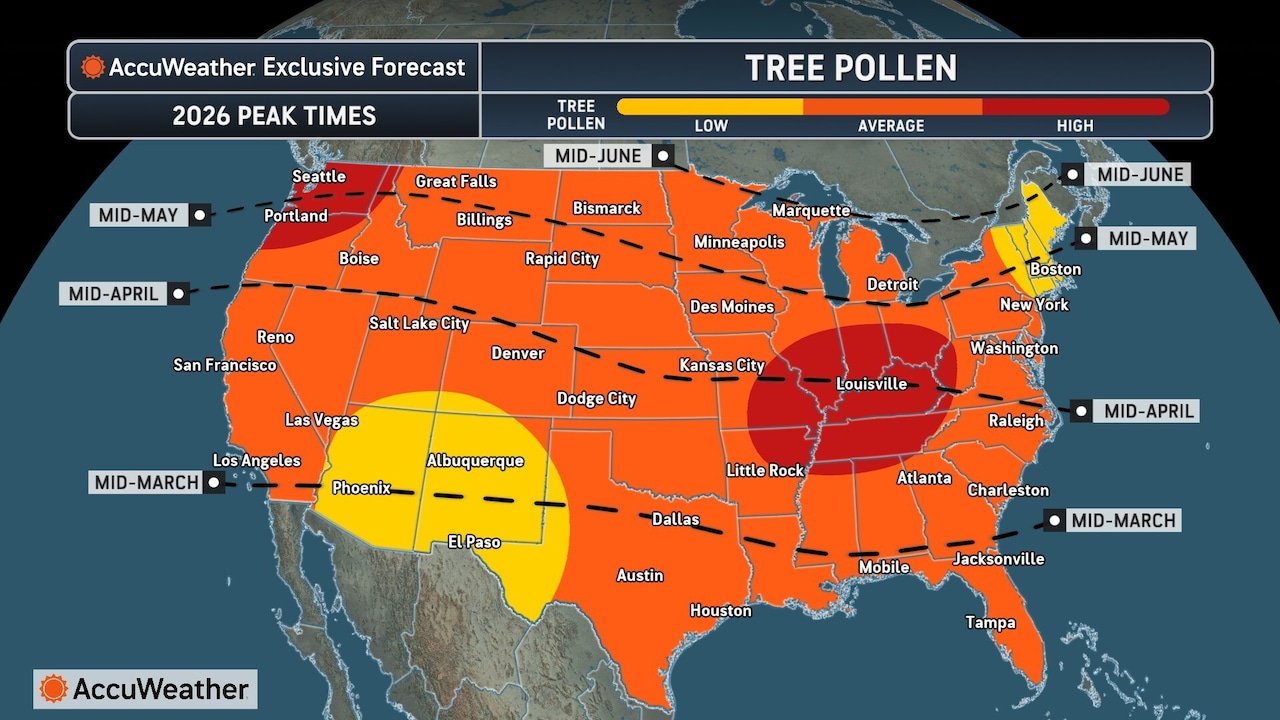
In places like Badajoz and Cáceres in Extremadura, peak pollen concentrations are expected to reach alarming levels of 10,000 to 12,000 grains per cubic meter. In contrast, the situation in the Canary Islands (Canarias) and along the Mediterranean coast is more optimistic, with pollen counts expected to remain low.
Climate Change and the Surge in Allergic Populations
Experts point out that climate change is a primary cause for the extension and intensification of the pollen season. The season is not only starting earlier but also lasting longer. Concurrently, environmental pollution puts plants under ‘stress,’ causing them to produce more highly allergenic proteins. Pollutants in the air also damage the human respiratory mucosa. The combination of these factors creates the ‘perfect storm’ for widespread allergic reactions.
Currently, between 7 and 8 million people in Spain suffer from allergic rhinoconjunctivitis. The proportion of the population with allergies has reached 35%, with forecasts suggesting it could climb to 50% in the future. Facing this public health challenge, the medical community is calling for more training for allergy specialists and exploring the use of artificial intelligence to develop more precise, personalized allergy diagnosis and treatment plans.
Expert’s Practical Protection Guide
Seaic expert Juan José Zapata offers the public specific and practical lifestyle advice to cope with the upcoming high-pollen season:
Indoor Protection
- Avoid drying clothes outdoors: Do not hang laundry on balconies or outside. Many modern fabrics easily generate static electricity in dry air, attracting pollen like a magnet and bringing allergens indoors.
- Ventilate wisely: Open windows for ventilation during times of low pollen concentration, such as early morning or late at night. Keep doors and windows closed as much as possible during the day.
Outdoor Protection
- Wear protective gear: If you must go outside, especially in areas with dense vegetation like parks, it is highly recommended to wear an FFP2 mask and wraparound sunglasses.
- Start medication early: For those living in high-pollen areas (such as streets densely planted with plane trees), it is advisable to follow a doctor’s guidance and begin using anti-allergy medication as a preventive treatment, even before symptoms appear.
