A New Wave of Inflation Hits, Current Measures Deemed ‘Insufficient’
As new inflationary pressures emerge, Spain’s Confederation of Consumers and Users (CECU) recently issued a warning to the government, stating that the currently announced measures are “far from sufficient” to effectively protect consumers from the impact of rising prices. The organization believes that tensions in the Middle East are bringing new inflation risks that could further drive up the cost of living.
While CECU acknowledges that the government recognizes the urgency of the problem and appreciates the efforts of Spain’s National Commission on Markets and Competition (CNMC) to strengthen monitoring of food prices and profit margins, the group criticizes current policies for lacking concrete and decisive actions. They argue these measures are unable to fundamentally curb the trend of continuously rising prices.
Core Demand: Establish a ‘Basic Food Basket’ and Strengthen Oversight
To address the crisis, CECU has put forward three core proposals. First, establish a “basic food basket” system containing daily necessities and set price caps on key food items within it, especially fruits, vegetables, legumes, and fish, to limit their price increases during times of sharp market volatility. At the same time, the organization calls for increased direct subsidies for vulnerable groups to ensure their basic nutritional needs are met.
Second, CECU demands enhanced transparency throughout the entire food supply chain. This includes strictly monitoring profit margins at every stage from producer to distributor, prohibiting speculation on essential food items, and ensuring the effective enforcement of the Food Chain Law to prevent unreasonable price markups.
A Case Study: Soaring Egg Prices Highlight the Public’s Plight
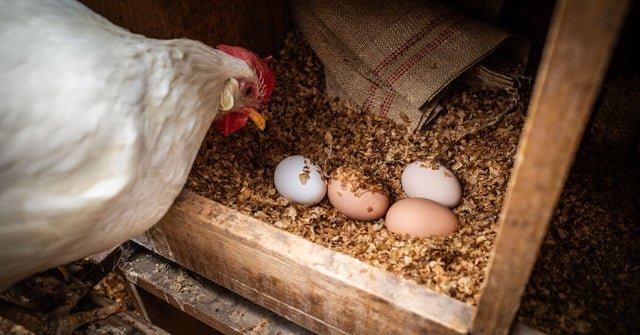
The current price pressure is particularly evident in specific commodities. Take eggs, for example. According to data from Spain’s National Institute of Statistics (INE), in February of this year alone, egg prices saw a year-on-year increase of 30.1%. Outbreaks of avian flu (which have led to the culling of tens of thousands of poultry in areas like Lleida and Valencia), rising energy costs, and changes in farming models have collectively pushed production costs to high levels. Agricultural organizations have already sounded the alarm and expressed concerns about cheap egg imports from places like Ukraine potentially disrupting the local market, calling for government subsidies.
Long-Term Strategies and Social Risk Warning
Beyond short-term interventions, CECU is also focused on long-term solutions, proposing the promotion of a more sustainable and localized food system. Specific measures include promoting local production and sales, encouraging the purchase of seasonal, fresh foods, and strengthening the school meal system. The goal is to ensure children and adolescents receive at least two nutritionally balanced meals per day.
In its statement, the organization sternly warns that Spain has not yet fully emerged from the shadow of the last inflationary cycle. The cumulative food price increase of 30% in recent years has already pushed millions of families into financial hardship. Experts point out that if runaway inflation reoccurs against a backdrop of simultaneous rises in energy, housing, and food prices, it could trigger a severe social crisis, and the impact would be catastrophic for low-income and vulnerable groups.
