Multiple Middle Eastern Countries Pressure Iran, Escalating Regional Conflict Risks
As the situation in the Middle East rapidly deteriorates, a coalition of about 12 Middle Eastern and Muslim countries, including Saudi Arabia, Qatar, the UAE, Egypt, and Turkey, has issued a strong warning to Iran, demanding an “immediate cessation of attacks” on neighboring energy and civilian facilities. The joint statement condemned Iran’s recent missile and drone strikes against regional energy infrastructure.
The conflict’s escalation was reportedly triggered by an earlier Israeli attack on an Iranian gas field. Iran subsequently launched retaliatory actions, targeting key oil and gas facilities in Saudi Arabia, Qatar, and other Gulf states, causing severe volatility in international energy markets. The Saudi Arabian Foreign Minister has made it clear that if Iran continues its attacks, Saudi Arabia reserves the right to a military response, pushing the regional situation to the brink of a full-scale war.
EU Upholds Multilateralism, Explores Joint Response to Energy Crisis
Facing global geopolitical tensions and soaring energy prices, the European Union is working to consolidate its multilateralist stance. On March 19, leaders of the 27 EU member states met in Brussels. The core topic was how to stabilize the market and reduce dependence on external energy sources amidst the energy crisis sparked by the Middle East conflict.
EU leadership emphasized that although the current international order faces challenges, a rules-based multilateral system remains key to solving global problems. To maintain strategic autonomy, member states are discussing various measures, including joint energy procurement, price interventions, and accelerating the energy transition. These steps aim to mitigate the impact of rising energy costs and allow the EU to play a greater diplomatic role in preventing further escalation of the situation.
Out-of-Pocket Healthcare Costs Rise for Spanish Families, Mental Health Spending Increases Notably
According to a survey report by the Spanish Organization of Consumers and Users (OCU), out-of-pocket expenses for Spanish families beyond the public healthcare system continue to rise, with each household bearing an average additional cost of around €1,350 per year. Pharmaceutical costs are a major expenditure, as many common medicines still require out-of-pocket purchase, placing a heavy burden on families with chronic patients.
In recent years, mental health services have become one of the fastest-growing out-of-pocket expenses. Due to limited resources and long waiting times for psychological counseling within the public system, more and more people are turning to private clinics, leading to a significant increase in household medical spending. Furthermore, services not fully covered by public healthcare, such as dental and optical care, also exacerbate the financial pressure on families. The report points out that this phenomenon particularly affects low-income households, potentially causing them to delay or forgo necessary treatment.
Italy Temporarily Reduces Fuel Prices to Ease Cost of Living Pressures
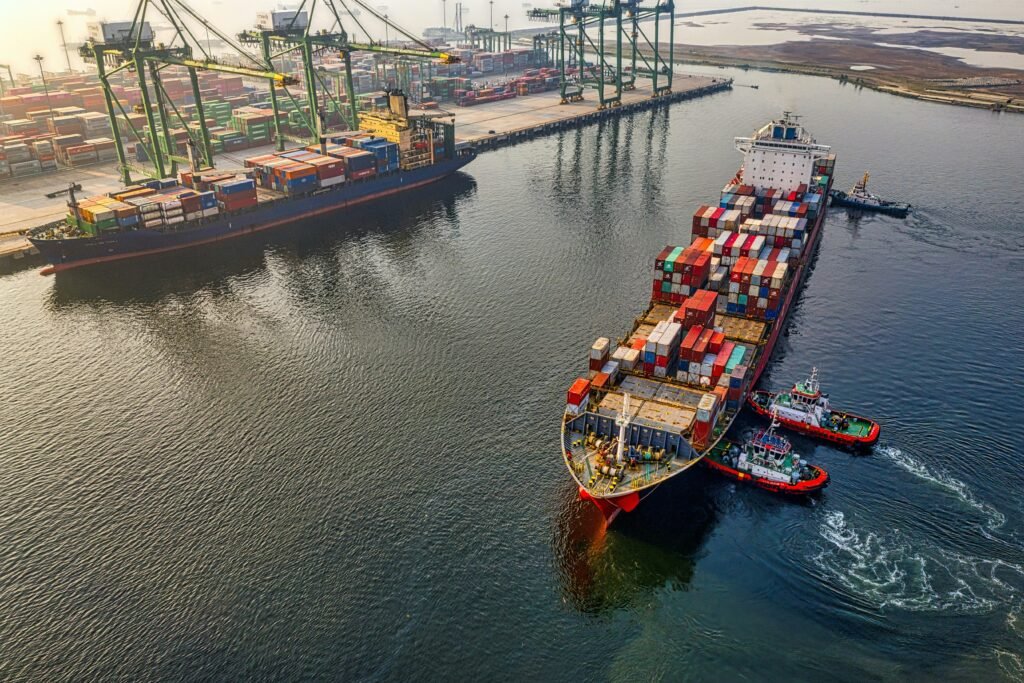
To address the pressure on citizens and businesses from rising energy prices, the Italian government recently passed a temporary decree to reduce fuel prices by approximately €0.25 per liter for a period of 20 days. This measure aims to curb inflationary pressures in the short term and boost consumer confidence. The business community has widely welcomed the move, believing it will help lower transportation and production costs. However, critics argue that a 20-day price cut is insufficient to fundamentally solve the problem of high energy prices caused by geopolitical conflicts.
Storm ‘Therese’ Hits the Canary Islands, Orange Alerts Issued in Multiple Areas
On March 19, affected by Storm ‘Therese’ (Borrasca Therese), several areas in Spain’s Canary Islands were placed on orange alert. The Spanish State Meteorological Agency (Aemet) warned that the storm would bring heavy rainfall, strong winds, and sea storms. Rainfall is expected to exceed 80 mm within 12 hours, with wind speeds reaching 90 to 100 km/h and localized sea waves reaching 5 to 6 meters high. To ensure safety, the Canary Islands government has closed some nurseries and elderly day care centers.
Russia Introduces New Guideline, Recommends Psychological Counseling for Women Unwilling to Have Children
As part of a series of policies to increase the birth rate, Russia’s Ministry of Health recently updated its reproductive health screening guidelines. The new regulations suggest that women who indicate on a medical questionnaire that they “do not want children” should be referred to a psychologist for counseling. However, this recommendation does not apply to men who give the same answer. Russian officials claim the measure aims to “promote a positive attitude towards female fertility” and reduce abortions, but it has sparked social controversy due to its clear gender-specific nature.
