To address extreme inflationary pressure caused by external conflicts, the Spanish government held a special cabinet meeting on March 20, 2026, officially approving an ‘anti-crisis plan’ totaling €5 billion. The decree, which includes 80 measures, will take effect on March 21. Spanish Prime Minister Pedro Sánchez described it as ‘the largest social and economic shield in the European Union’.
Energy Sector: Comprehensive Tax Cuts and Targeted Subsidies
The core of the plan is to significantly reduce energy costs. The government has decided to cut the Value Added Tax (VAT, or IVA in Spanish) on electricity, natural gas, gasoline, and diesel from the standard rate of 21% to a reduced rate of 10%. It is estimated that this measure alone could save drivers around €20 when filling up their fuel tank. Furthermore, overall electricity taxes will be reduced by 60%, and the government will maintain the price cap on butane gas cylinders.
For the hardest-hit sectors, the government has reinstated a direct subsidy of 20 cents per liter of fuel for the professional transport, agriculture, and fishing industries. Additional aid will also be provided to farmers for purchasing fertilizers to ensure the stability of key supply chains.
Housing and Social Protection: Mandatory Rent Freeze and Social Safety Net
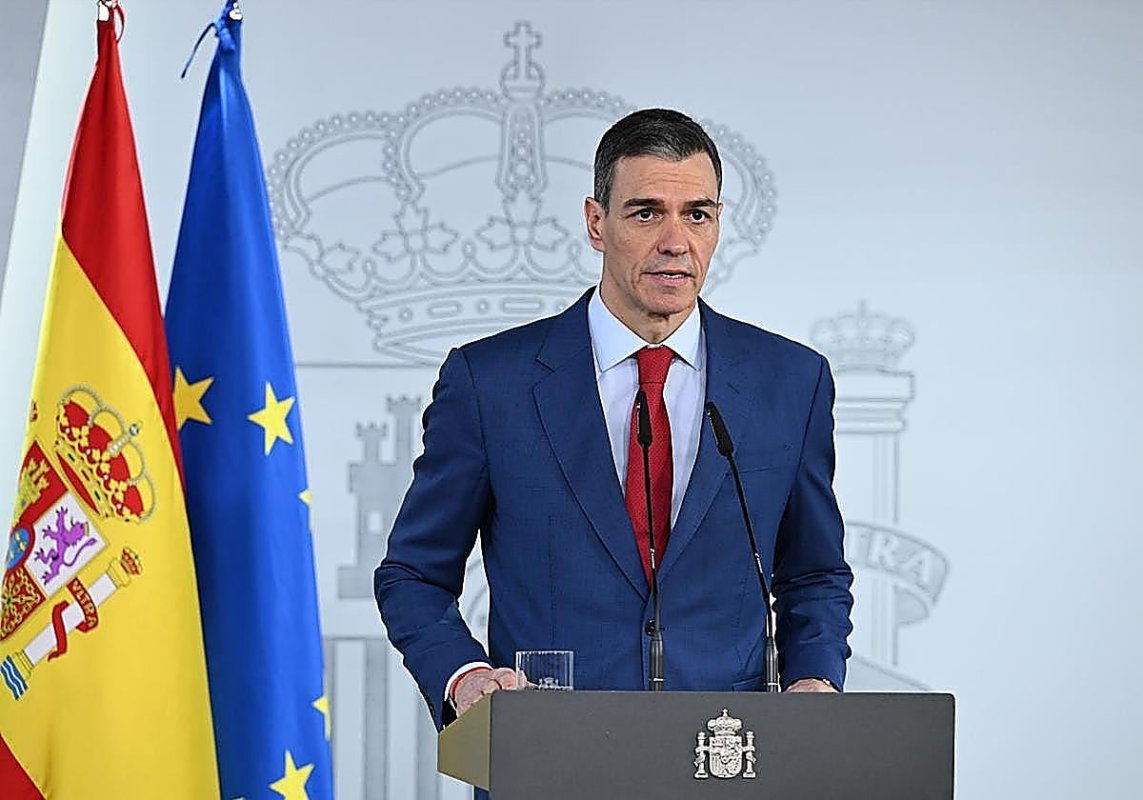
In the housing sector, the government has taken unprecedentedly firm measures. At the insistence of its coalition partner, Sumar, the new decree imposes a mandatory freeze on rent prices for the next two years, prohibiting any increases. This move aims to stabilize the housing market and ease the financial burden on tenants.
Regarding social protection, the decree explicitly prohibits utility suppliers from cutting off water, electricity, and natural gas to households classified as vulnerable. Concurrently, the government will expand the coverage of the ‘Bono Social Eléctrico’ (Social Electricity Bonus) to ensure low-income families receive essential energy support. To guarantee that the benefits of tax cuts reach the public, the supervisory powers of the National Commission on Markets and Competition (CNMC) will be strengthened to closely monitor corporate profits and prevent businesses from opportunistically raising prices.
Structural Reforms: Incentivizing Green Energy and Personal Tax Deductions
Beyond short-term relief, the plan also focuses on long-term structural transformation. The government has introduced significant personal income tax deductions to encourage a green transition in household energy consumption. Residents who install residential solar panels, home electric vehicle charging stations, or high-efficiency heat pump systems will be eligible for substantial tax benefits.
With international oil prices surpassing $100 per barrel and domestic fuel costs remaining high, this comprehensive €5 billion plan is seen as a crucial move by the Spanish government to stabilize the economy and protect citizens’ well-being.
