Lately, I’ve seen more and more posts on forums asking about STEM majors, especially biology. As a graduated senior current PhD student, I’d like to share what it’s really like to study biology in Spain, hoping to offer some guidance to those of you choosing a university or major. Spain boasts incredible biodiversity, providing a natural advantage for research in ecology and environmental science.
A Bachelor’s degree in Biology in Spain is typically a four-year program. The curriculum is quite similar across universities, with core courses covering Cell Biology, Genetics, Molecular Biology, Biochemistry, Botany, Zoology, and Ecology. In the third and fourth years, you’ll have more specialized elective courses to choose from based on your interests, such as Neuroscience, Immunology, or Marine Biology. Overall, there are a lot of lab sessions, so be prepared to ‘live’ in the lab!
University Selection Strategy and Top Recommendations
When choosing a university, beyond looking at the overall rankings for Spanish universities for biology, the subject-specific rankings are more important. The QS and ARWU rankings for Biological Sciences are very valuable references. Here are a few public universities that are particularly strong in the field of biology:
| University | City | Strengths |
|---|
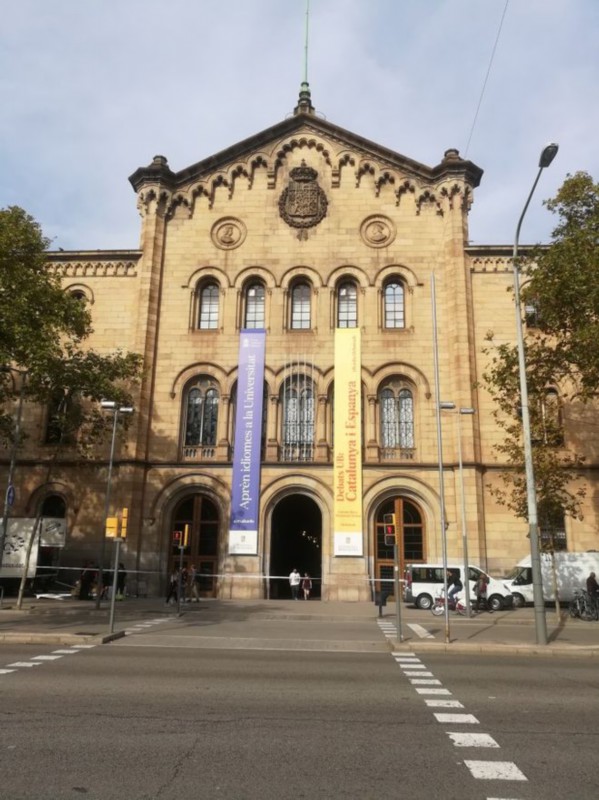
| University of Barcelona | Barcelona | Biomedicine, Genetics, Neuroscience |
| Autonomous University of Barcelona | Barcelona | Microbiology, Biotechnology, Plant & Animal Science |
| Autonomous University of Madrid | Madrid | Molecular Biology, Biochemistry |
| Pompeu Fabra University | Barcelona | Health and Life Sciences |
These are all research-intensive universities, especially in the Catalonia region, which has formed a significant cluster for biological sciences research.
What Are the Career Paths After Graduation?
Perhaps the biggest concern for everyone is employment. To be frank, finding a directly related job in Spain with a biology degree is more challenging compared to fields like computer science or finance. The main career paths are: first, pursuing further education by getting a Master’s or PhD to follow an academic research career, a common choice for many. Second, entering the biotechnology or pharmaceutical industry in roles like R&D, quality control, or technical support. Third, working in the environmental sector for consulting firms, national parks, or NGOs.
Spain has a solid pharmaceutical and biotechnology industry, with major local companies like Almirall, Grifols, and PharmaMar.
If you have an uncontainable passion and curiosity for life sciences and aren’t afraid of a challenge, then studying biology in Spain will open up a whole new world for you. However, if you’re choosing it just because it’s ‘employable’ or ‘popular’, you might want to think twice. Language proficiency is crucial; mastering Spanish is not only necessary for your classes but is also key to your future career development in the country. Wishing you all the best in getting into your dream university and program
!
