Spain Launches €5 Billion Economic Protection Plan
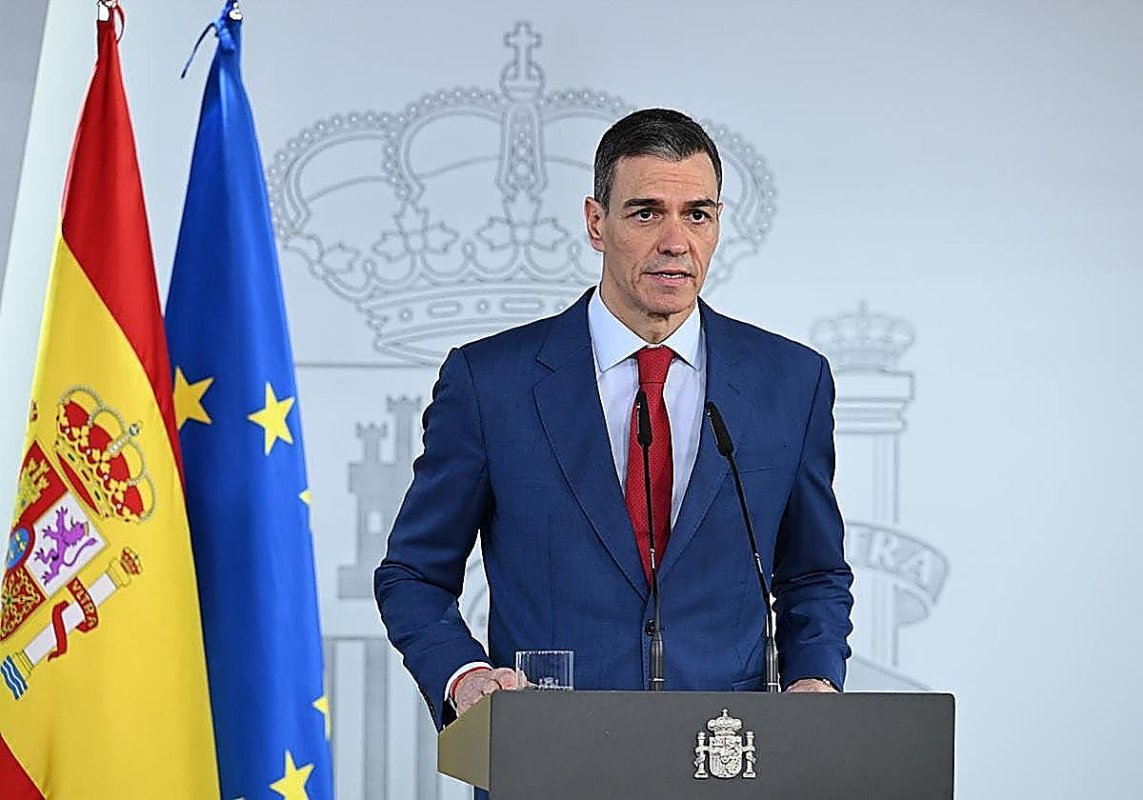
The Spanish government recently approved a package aimed at countering the economic impact triggered by the situation in the Middle East, with a total investment of approximately €5 billion. Prime Minister Pedro Sánchez stated that the plan will take effect immediately to build a solid “social and economic shield,” adding that the government does not rule out increasing aid if the external situation worsens.
Comprehensive Reduction in Energy Costs and Fuel Subsidies
The core of the plan is to directly lower the cost of living for the public, especially in the energy sector. Specific measures include:
- Fuel Tax Reduction: The Value Added Tax (VAT, or IVA in Spanish) on fuel will be drastically cut from 21% to 10%.
- Electricity Bill Relief: Various taxes related to electricity bills will be adjusted, which is expected to lower the overall tax burden on electricity for households and businesses by approximately 60%.
- Price Freeze and Subsidies: Prices for butane and propane gas will be frozen. Additionally, a fuel subsidy of 20 euro cents per liter will be provided to sectors most affected by rising energy prices, such as agriculture and transportation.
- Renewable Energy Incentives: Tax rates on renewable heating sources like firewood and biomass pellets will be lowered.
Two-Year Rent Freeze and Social Protection Measures
On the social front, the government has reinstated several key “social shield” measures to protect the basic living standards of vulnerable groups. The most notable of these is a freeze on rental prices for the next two years, prohibiting any increases. This measure was reportedly proposed by coalition partner Sumar and is the result of internal negotiations. Furthermore, the government will once again prohibit cutting off essential utility supplies, such as electricity, to households in financial distress and will expand the coverage of the social electricity tariff (bono social eléctrico).
Minimum Wage Earners to Receive Income Tax Relief from 2026
As part of the package, the Spanish government has advanced a significant tax adjustment, scheduled to take effect in 2026. The reform will provide substantial Personal Income Tax (IRPF) relief for workers earning the Interprofessional Minimum Wage (SMI) by increasing the “earned income deduction.” According to Ministry of Finance estimates, for taxpayers with an annual income at the SMI level (approximately €17,094), their tax liability will be reduced to zero or near zero, essentially exempting them from personal income tax. This reform uses a progressive mechanism, meaning those with incomes slightly above the SMI will still receive partial tax cuts, but the benefit will gradually phase out as income increases, ensuring the policy is precisely targeted at low and middle-income groups.
Encouraging Energy Transition and Strengthening Market Supervision
For the long term, the plan also includes a series of structural incentives aimed at accelerating Spain’s energy transition. The government will offer personal income tax deductions for individuals who install solar panels, electric vehicle charging stations, or undertake energy-saving home renovations. At the same time, to prevent some companies from profiteering, the government has authorized the National Markets and Competition Commission (CNMC) to strengthen its monitoring of corporate profit margins to ensure market fairness.
