Key Finding: 309 Municipalities Exceed Scientific Threshold
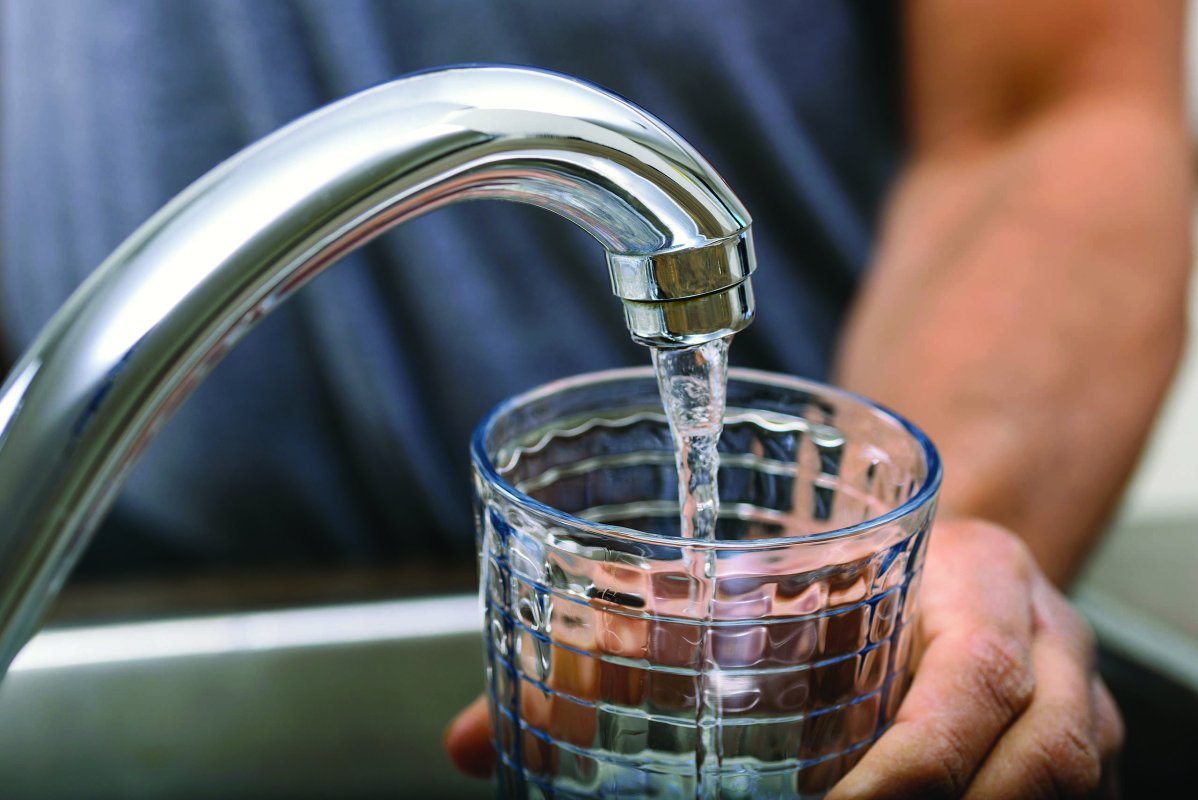
Following World Water Day, the environmental organization Greenpeace released a significant analysis, revealing widespread drinking water quality issues in the region of Castilla-La Mancha, Spain. The report indicates that as many as 309 municipalities in the area have drinking water with nitrate concentrations exceeding 6 mg/L. This value is the recommended safety threshold proposed by the scientific community based on health risks, which is significantly lower than the legal limit of 50 mg/L set by current Spanish regulations.
The report emphasizes that if a stricter scientific standard were applied, it would mean that residents in more than half of the region’s municipalities could be drinking water with potentially risky nitrate levels.
Tracing the Source: The Intensive Impact of Agriculture and Livestock Farming
Greenpeace’s analysis attributes the primary cause of nitrate pollution to two main factors: the intensive use of agricultural fertilizers and wastewater discharge from industrial livestock farms. As the livestock industry in Castilla-La Mancha, particularly the pig farming sector, continues to expand, the growing number of animals places immense pressure on regional water resources. Wastewater and pollutants generated by these industrial activities seep into the ground, directly causing a continuous rise in nitrate levels in groundwater and drinking water sources.
Potential Health Risks and a Call for Regulatory Review
Nitrate is a colorless and odorless compound that does not alter the appearance, smell, or taste of water, making it difficult for the public to detect its presence through their senses. However, long-term consumption of excessive levels of nitrates can pose potential threats to human health. In light of this, Greenpeace strongly urges the Spanish government to address this issue and take concrete action.
The organization’s core demands include:
- Review Current Standards: Re-evaluate the current legal limit of 50 mg/L and adjust it based on the latest scientific research findings to provide a higher level of public health protection.
- Strengthen Source Control: Implement stricter pollution control and prevention measures to reduce nitrate emissions directly from sources like agriculture and livestock farming, fundamentally safeguarding drinking water safety.
This alert once again highlights the serious challenges Spain faces in water resource management and environmental protection, and also serves as a reminder for the public to remain vigilant about the safety of their daily drinking water.
